Pakistan minority persecution: forced conversions, temple demolitions under global scrutiny
Synopsis
Pakistan's image as a champion of religious freedom is under fire. A Khalsa Vox report documents forced conversions of Sikh and Hindu girls, the demolition of a 125-year-old gurdwara in Faisalabad, and thousands of minority religious sites destroyed or occupied since Partition — exposing a widening chasm between Islamabad's diplomatic messaging and the lived reality of its minority communities.
Key Takeaways
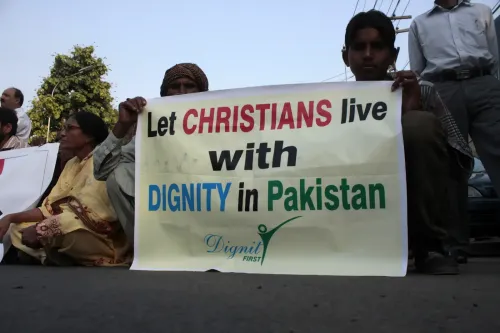
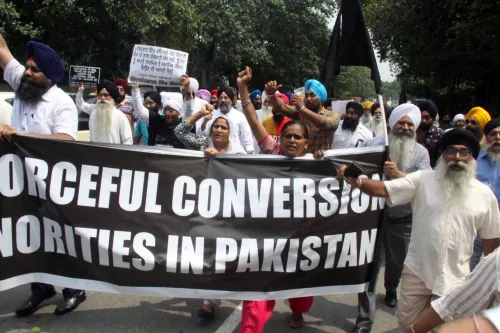
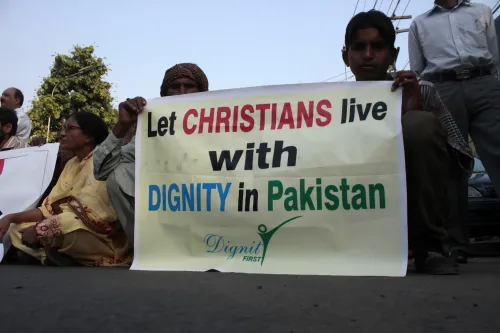
Recurring allegations of forced conversions and abductions of Sikh and Hindu girls in Pakistan have drawn concern from national and international human rights organisations.
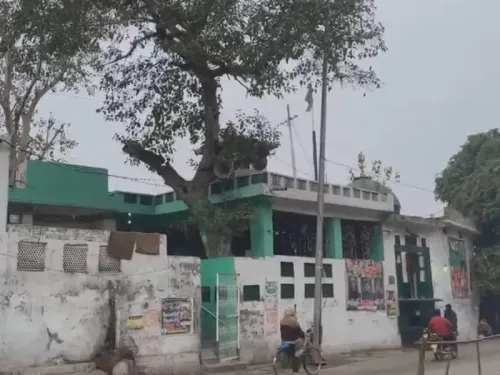
A nearly 125-year-old gurdwara in Faisalabad was reportedly demolished, according to a Khalsa Vox report, reigniting debate over Pakistan's treatment of minority heritage.
Thousands of temples, gurdwaras, and minority religious sites have been destroyed, illegally occupied, or repurposed since Partition , according to the report.
Reports have emerged of Guru Granth Sahib being removed from historic gurdwaras subsequently converted into schools or other institutions.
Critics argue that Pakistan's symbolic gestures — such as the Kartarpur Corridor — contrast sharply with the 'fear, insecurity, and discrimination' faced by minorities living inside the country.
The report calls on Islamabad to ensure fair investigations, strict punishment for offenders, and constitutional guarantees for minority citizens.
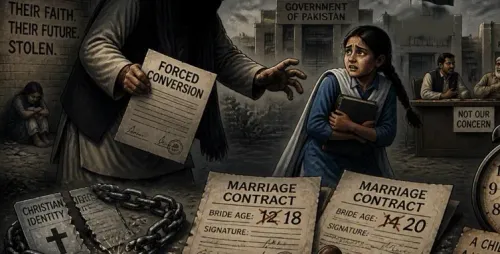
Pakistan's religious freedom credentials face mounting international scrutiny, with recurring reports of forced conversions, abductions of Sikh and Hindu girls, and the systematic destruction of minority religious sites across the country. According to a report by Khalsa Vox, minority families have repeatedly alleged that their daughters were lured through false promises of love or coerced into conversion before being married off — a pattern that human rights organisations at both national and international levels have flagged with growing alarm.
The Gap Between Claim and Reality
Pakistan has long positioned itself as a protector of religious minorities, pointing to initiatives such as the Kartarpur Corridor and facilitation of Sikh pilgrimages as evidence of its commitment to religious tolerance. Critics, however, argue that these symbolic gestures mask a far grimmer reality on the ground for minorities who actually live within Pakistan's borders.
The Khalsa Vox report notes that thousands of temples, gurdwaras, and other places of worship have, since Partition, been demolished, illegally occupied, or repurposed — a trajectory that, according to the report, has continued largely unchecked.
Faisalabad Gurdwara Demolition
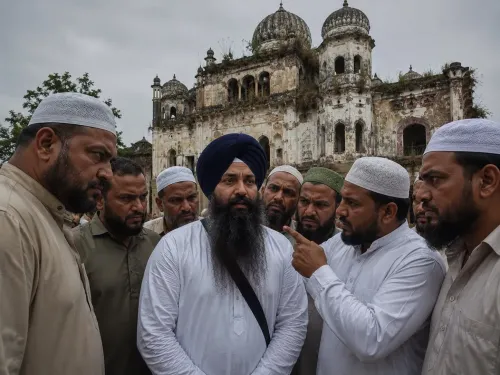
A particularly stark example cited in the report is the demolition of a nearly 125-year-old gurdwara in Faisalabad (formerly known as Farooqabad), which reportedly renewed concerns over Pakistan's stated commitment to preserving minority heritage. Separately, reports have emerged of Guru Granth Sahib being removed from several historic gurdwaras, which were subsequently converted into schools or other institutions.
'This is not merely about buildings but about the faith and cultural heritage of millions of people,' the report stated.
Forced Conversions and Abductions
The issue of forced conversions — particularly targeting Hindu and Sikh girls — has been raised repeatedly on international platforms. Minority families allege that victims are often coerced or deceived before being married off following conversion, with access to justice remaining severely limited. Human rights bodies have called on Islamabad to conduct fair investigations and ensure strict punishment for those responsible.
The Khalsa Vox report noted the 'irony' that while Pakistan extends invitations to Sikh and other minority pilgrims from India with messages of respect and devotion, minorities living within its own borders are 'often forced to live in fear, insecurity, and discrimination.'
What Accountability Would Require
According to the report, for Pakistan's claims of religious tolerance to carry credibility, the government would need to move beyond formal statements — safeguarding all minority religious sites, removing illegal encroachments, taking strict legal action against offenders, and guaranteeing minorities their constitutional rights. 'The true test of any democratic and constitutional system lies in how effectively it protects its most vulnerable and minority citizens,' the report added.
With international scrutiny intensifying, the pressure on Islamabad to demonstrate concrete — rather than ceremonial — commitment to minority protection is unlikely to ease.
Point of View
And near-impunity for perpetrators of forced conversions and heritage destruction at home. The demolition of a 125-year-old gurdwara in Faisalabad is not an aberration — it fits a documented post-Partition pattern that successive governments have failed to reverse. What is new is the convergence of international human rights pressure and diaspora-led documentation, which makes the old strategy of symbolic gestures increasingly untenable. The real accountability test will be whether Islamabad moves from statements to verifiable legal action — something the record, so far, gives little reason to expect.
NationPress
10 Oct 2026
Frequently Asked Questions
What are the main concerns about Pakistan's treatment of religious minorities?
The primary concerns include recurring forced conversions and abductions of Sikh and Hindu girls, demolition and illegal occupation of minority religious sites, and limited access to justice for victims. Human rights organisations at both national and international levels have flagged these issues repeatedly.
What happened to the gurdwara in Faisalabad?
A nearly 125-year-old gurdwara in Faisalabad — formerly known as Farooqabad — was reportedly demolished, according to a Khalsa Vox report. The incident is cited as emblematic of the broader destruction of minority religious heritage in Pakistan since Partition.
How does Pakistan's Kartarpur Corridor fit into this debate?
The Kartarpur Corridor, which facilitates Sikh pilgrimages from India, is frequently cited by Pakistan as evidence of its commitment to religious tolerance. Critics, however, argue it is a diplomatic gesture that obscures the discrimination and insecurity faced by Sikh and Hindu minorities who live permanently within Pakistan.
What do human rights groups say Pakistan must do?
According to the Khalsa Vox report, human rights organisations have called on Pakistan to conduct fair investigations into forced conversions, impose strict punishment on offenders, protect all minority religious sites, remove illegal encroachments, and guarantee minorities their constitutional rights — moving beyond formal statements.
What is the scale of minority religious site destruction in Pakistan?
The Khalsa Vox report states that thousands of temples, gurdwaras, and other minority places of worship have been completely destroyed, illegally occupied, or converted for other purposes since Partition. Reports have also documented Guru Granth Sahib being removed from historic gurdwaras that were subsequently repurposed as schools or other institutions.