Pakistan gurdwara demolition: 125-year-old Sikh shrine razed in Farooqabad
Synopsis
A 125-year-old gurdwara in Farooqabad was reduced to rubble by a local businessman with no legal clearance — and Pakistani authorities only took notice after the Sikh community poured into the streets. India has formally condemned the act and demanded restoration, but the incident fits a documented pattern of minority heritage being erased with institutional impunity in Pakistan.
Key Takeaways
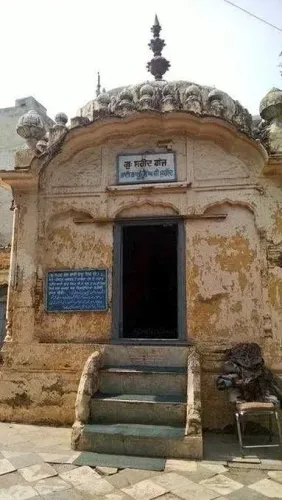
Gurdwara Sri Guru Singh Sabha Sahib , a 125-year-old Sikh shrine in Farooqabad, Pakistan , was partially demolished on the night of 24 June .
A local businessman allegedly carried out the demolition with no legal clearance or court order .
The Evacuee Trust Property Board (ETPB) , mandated to protect such sites, took no action until Sikh residents staged street protests.
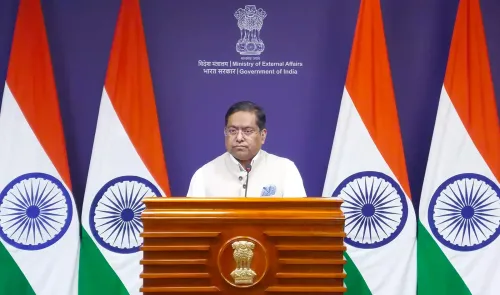
India's MEA spokesperson Randhir Jaiswal condemned the act as a 'targeted act of vandalism' and called for investigation, prosecution, and restoration.
India described the incident as part of a pattern of systemic targeting of religious minorities and their places of worship in Pakistan.
A 125-year-old Sikh shrine, Gurdwara Sri Guru Singh Sabha Sahib in Farooqabad, Pakistan, was partially demolished on the night of 24 June by a local businessman who allegedly carried out the work without any legal clearance or court order, leaving portions of the historic structure in rubble. Pakistani authorities acknowledged the destruction only after Sikh residents of Farooqabad staged street protests, drawing fresh scrutiny over the country's protection of religious minorities and their heritage.
How the Demolition Unfolded
According to reports, the night of 24 June saw heavy machinery tear into the gurdwara — a structure built during the Singh Sabha movement, when Sikh identity was being reshaped across a modernising Punjab. By morning, significant portions of the shrine lay in rubble. No warning was issued to the Sikh community that had regarded the site as sacred for generations, and no court order had been obtained before the demolition began.
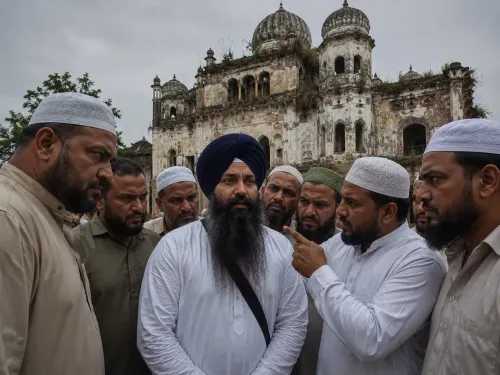
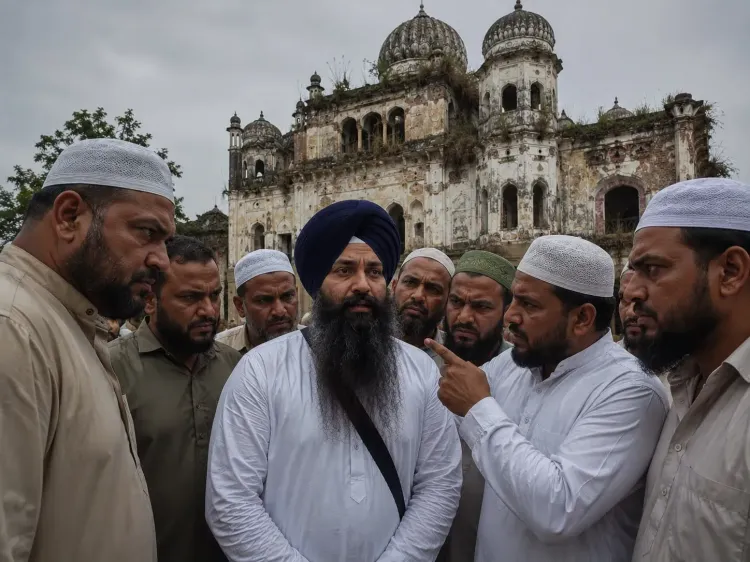
Critically, it was not the heritage department or the Evacuee Trust Property Board (ETPB) — the institution specifically mandated to protect Sikh religious property in Pakistan — that intervened to halt the work. Instead, ordinary Sikh residents of Farooqabad took to the streets, forcing a public confrontation before any official even acknowledged that the century-old shrine was being erased.
Authorities Respond Only After Protest
An official subsequently admitted that the relevant department had failed to take notice of the demolition until local Sikhs protested. The ETPB, which holds custodial responsibility over evacuee trust properties including Sikh shrines, drew sharp criticism for its absence during and immediately after the incident. The belated official response, observers noted, underscored a pattern of institutional neglect toward minority communities in Pakistan.
India Condemns the Act, Calls for Restoration
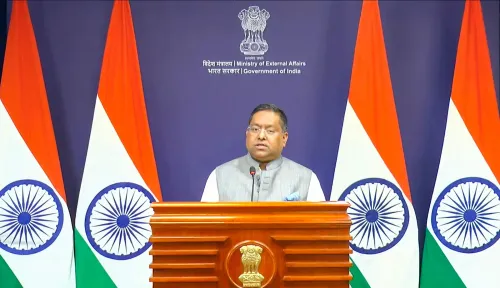
India strongly condemned what it called a 'highly deplorable' and 'targeted act of vandalism' against the revered shrine. Ministry of External Affairs (MEA) spokesperson Randhir Jaiswal said India had taken note of the 'deeply distressing' reports and demanded accountability.
'We strongly condemn this highly deplorable and targeted act of vandalism against a revered Sikh shrine. Its destruction, along with reports of no meaningful action being taken by local authorities or the Evacuee Trust Property Board (ETPB), is a matter of grave concern,' Jaiswal said.
He further stated: 'This is unfortunately not an isolated incident, as we have also seen similar reports earlier. The systemic targeting of religious minorities and their places of worship in Pakistan continues unabated. We call upon the Government of Pakistan to expeditiously investigate this matter and bring the perpetrators of this despicable act to justice.'
India also urged that the demolished portions of the gurdwara be restored and reconstructed at the earliest, and called on Islamabad to fulfil its obligations toward the safety, security, and well-being of its minority communities and their places of worship.
A Pattern of Minority Heritage Under Threat
The Farooqabad demolition is not an isolated episode. Rights groups and religious minority advocates have repeatedly flagged the vulnerability of Sikh, Hindu, and Christian heritage sites across Pakistan. The ETPB, created in the aftermath of Partition to manage properties left behind by evacuees, has faced longstanding criticism for inadequate protection of the sites under its remit. This incident adds to a documented record of shrines, temples, and churches facing encroachment, vandalism, or outright demolition — often with delayed or absent official response.
What Happens Next
India has formally called on the Government of Pakistan to investigate the matter, prosecute those responsible, and restore the demolished structure. The international Sikh diaspora and human rights organisations are expected to amplify pressure on Islamabad. Whether Pakistani authorities will take substantive action — or whether this joins a long list of unresolved minority heritage cases — remains to be seen.
Point of View
But the harder question is whether international pressure translates into accountability inside Pakistan, where minority heritage cases routinely stall after initial outrage. The Sikh community's act of self-defence — taking to the streets to force official acknowledgement — should not be the last line of protection for a century-old shrine.
NationPress
9 Oct 2026
Frequently Asked Questions
Which gurdwara was demolished in Pakistan and where is it located?
The demolished shrine is Gurdwara Sri Guru Singh Sabha Sahib , located in Farooqabad , Pakistan. The structure was approximately 125 years old , built during the Singh Sabha movement in Punjab.
Who carried out the demolition and was it legal?
A local businessman allegedly carried out the demolition on the night of 24 June without obtaining any legal clearance or court order. The act was therefore reportedly illegal under Pakistani law governing protected heritage and evacuee trust properties.
What is the Evacuee Trust Property Board and why is it under criticism?
The Evacuee Trust Property Board (ETPB) is a Pakistani institution mandated to manage and protect properties — including Sikh religious sites — left behind after Partition. It is under criticism because it took no action to halt or acknowledge the demolition until Sikh residents staged public protests.
How has India responded to the demolition of the Sikh shrine in Pakistan?
India strongly condemned the demolition as a 'highly deplorable and targeted act of vandalism.' MEA spokesperson Randhir Jaiswal called on Pakistan to investigate, prosecute those responsible, restore the demolished portions, and ensure the safety of its minority communities and their places of worship.
Is this an isolated incident or part of a broader pattern?
According to India's MEA and rights observers, this is not an isolated incident. The MEA explicitly stated that 'the systemic targeting of religious minorities and their places of worship in Pakistan continues unabated,' citing similar earlier reports of shrines and heritage sites being damaged or destroyed.