Khalistan hypocrisy exposed: Historic Gurdwara razed as terror groups train with Lashkar
Synopsis
Pakistan champions Sikh rights through the Khalistan movement — yet a 125-year-old Gurdwara was razed near Lahore on 24 June 2026, Sikh caretakers were shot dead in KP, and Khalistan terror cadres are reportedly training alongside Lashkar-e-Tayiba at ISI-designated camps. The contradiction is no longer deniable.
Key Takeaways
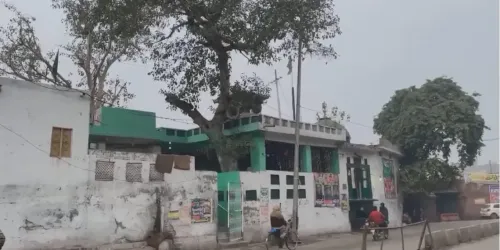
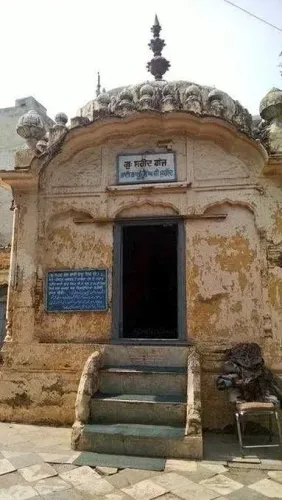
The 125-year-old Gurdwara Sri Guru Singh Sabha Sahib in Farooqabad, near Lahore , was demolished on 24 June 2026 without official approval.
India's Ministry of External Affairs issued a formal statement calling the demolition 'deeply distressing.' Pakistan's Sikh population has fallen from over 2 lakh (6.1%) at Partition to approximately 15,000 (0.1%) today.
Cadres of Babbar Khalistan International (BKI) , Khalistan Liberation Army (KLA) , and Lashkar-e-Tayiba are reportedly conducting joint training at Minawali , Chakwal , and Khot Lakhpat , according to officials.
The ISI has reportedly assigned top Lashkar-e-Tayiba trainers to Khalistan groups, officials say.
Nearly 345 Sikh shrines exist in Pakistan; many are non-functional or reportedly occupied by land mafias.
Even as Pakistan positions itself as a defender of Sikh rights through its backing of the Khalistan movement, the demolition of the 125-year-old Gurdwara Sri Guru Singh Sabha Sahib in Farooqabad, near Lahore, on 24 June 2026 has laid bare what Indian officials describe as a fundamental contradiction at the heart of Islamabad's posture. According to officials, the incident — in which the historic shrine associated with the Singh Sabha Movement was razed by locals without official approval — is not an isolated episode but part of a sustained pattern of persecution of Sikhs in Pakistan.
A Community Under Siege
Officials say the Sikh community is among the most persecuted minorities in Pakistan, second only to Hindus. The numbers tell a stark story: prior to the 1947 Partition, Pakistan was home to over 2 lakh Sikhs, representing 6.1% of the population according to the 1941 Census. Today, that figure has collapsed to an estimated 15,000 — barely 0.1% of the population. Of the nearly 345 Sikh shrines in Pakistan, many are non-functional, and others have reportedly been illegally occupied by land mafias, according to officials.
A Pattern of Demolitions and Violence
The Farooqabad demolition is the latest in a series of incidents targeting Sikh religious sites. Earlier this year, the Gurdwara Chobacha Sahib in Dharampura — associated with the Sixth Sikh Guru — was demolished without explanation, with community protests going unheeded. In June 2026, unknown assailants shot dead Jagannath and his wife Asma Want, an elderly Sikh couple who served as caretakers of a Gurdwara in Mardan district's Babu Mohalla area in Khyber Pakhtunkhwa. The Janam Asthan at Nankana Sahib — the birthplace of Guru Nanak — has also faced threats, with an angry mob pelting stones at the shrine in 2020. According to an Intelligence Bureau official, the site remains tense and fresh attempts to incite violence around it are reportedly ongoing. The role of the Evacuee Trust Property Board, the body mandated to protect and maintain such shrines, has come under scrutiny amid repeated failures.
India's External Affairs Ministry Responds
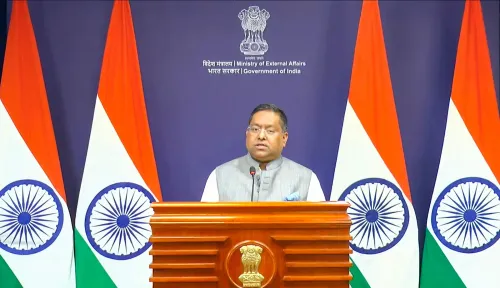
India's Ministry of External Affairs issued a formal statement on the Farooqabad demolition, saying: 'We have seen the deeply distressing reports regarding the demolition of the historic 125-year-old sacred Gurdwara Sri Guru Singh Sabha Sahib in Farooqabad, Pakistan.' The statement marked a rare direct intervention by New Delhi on the condition of Sikh minorities across the border. Officials noted that groups associated with the Khalistan movement — including those based abroad such as Sikhs for Justice (SFJ) — have not issued any condemnation of the atrocities against Sikhs in Pakistan.
Khalistan Terror Groups Training Alongside Lashkar
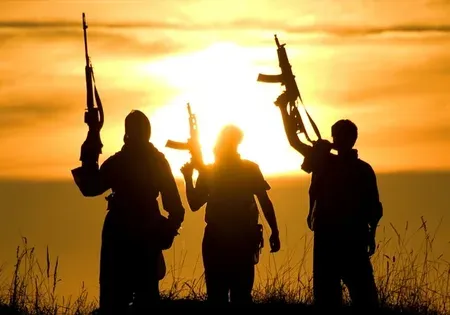
This comes amid fresh intelligence inputs, according to officials, that cadres of the Babbar Khalistan International (BKI), Khalistan Liberation Army (KLA), and Lashkar-e-Tayiba have been conducting joint training sessions at Minawali, Chakwal, and Khot Lakhpat. Officials say the Inter-Services Intelligence (ISI) has designated top Lashkar-e-Tayiba trainers to impart training to these Khalistan terror groups — a detail that, they argue, conclusively exposes the operational linkage between Pakistan's spy apparatus and the Khalistan separatist network. 'This clearly establishes not just the hypocrisy of these Khalistan terror groups, but also shows how closely linked they are to Pakistan and its spy agency, the ISI,' an official said.
The Wider Contradiction
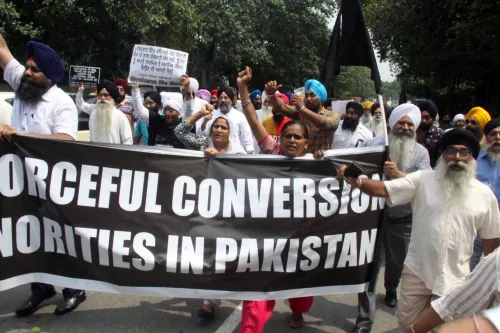
The central argument advanced by Indian officials is that Pakistan's championing of a Sikh homeland is a geopolitical instrument, not a humanitarian one. The narrative that India persecutes Sikhs — used to justify the demand for a separate Khalistan carved out of Punjab — sits uneasily alongside Pakistan's own record of targeted killings, abductions, forced conversions, and the use of blasphemy laws against its Sikh population. Notably, Islamabad has remained publicly silent on each of these incidents even as it amplifies Khalistan rhetoric internationally. With Sikh outrage growing both in India and across the diaspora, the demolition of Farooqabad's Gurdwara may sharpen scrutiny of Pakistan's dual posture on Sikh rights.
Point of View
Not a Sikh welfare initiative — and the Farooqabad demolition makes that harder to obscure. A state that allows historic Gurdwaras to be razed, tolerates targeted killings of Sikh caretakers, and deploys blasphemy laws against its own Sikh citizens while simultaneously funding and training Khalistan separatists is running a cynical double game. What is striking is the silence: neither Islamabad nor groups like Sikhs for Justice have condemned a single act of anti-Sikh violence on Pakistani soil. That silence is itself the evidence. The ISI-Khalistan-Lashkar training nexus, if confirmed, would also complicate any future diplomatic framing of the Khalistan issue as a purely political or human-rights movement.
NationPress
2 Oct 2026
Frequently Asked Questions
Which Gurdwara was demolished in Pakistan in June 2026?
The Gurdwara Sri Guru Singh Sabha Sahib in Farooqabad, near Lahore, was razed to the ground on 24 June 2026 by locals without official approval. The 125-year-old shrine is historically significant for its association with the Singh Sabha Movement and is held in high esteem by the Sikh community.
How has India responded to the Gurdwara demolition in Pakistan?
India's Ministry of External Affairs issued a formal statement saying it had seen 'deeply distressing reports' about the demolition of the historic Gurdwara in Farooqabad. The statement represents a direct intervention by New Delhi on the treatment of Sikh minorities in Pakistan.
Are Khalistan terror groups really training with Lashkar-e-Tayiba?
According to Indian officials, cadres of Babbar Khalistan International (BKI), Khalistan Liberation Army (KLA), and Lashkar-e-Tayiba have been conducting joint training sessions at Minawali, Chakwal, and Khot Lakhpat. Officials further allege that the ISI has assigned top Lashkar-e-Tayiba trainers to these Khalistan groups, though this has not been independently verified.
How many Sikhs remain in Pakistan today?
According to officials, Pakistan's Sikh population has declined from over 2 lakh — representing 6.1% of the population per the 1941 Census — to approximately 15,000 today, or just 0.1% of the population. The community has faced targeted killings, abductions, forced conversions, and blasphemy charges, officials say.
What is the condition of Sikh shrines in Pakistan?
Of nearly 345 Sikh shrines in Pakistan, many are reportedly non-functional and others have been illegally occupied by land mafias, according to officials. The Evacuee Trust Property Board, mandated to protect and maintain these sites, has come under scrutiny for failing to prevent repeated demolitions and encroachments.