18 killed, 35 injured as truck of Afghan migrants overturns in Laghman
Synopsis
A truck carrying Afghan migrants deported from Pakistan overturned on the Kabul–Jalalabad highway in Laghman, killing 18 — including 10 children and 5 women. The crash is a grim snapshot of a deepening crisis: over 3.5 million Afghans have returned since January, and aid agencies warn that overwhelmed transport networks are turning deportation routes into death traps.
Key Takeaways
18 people were killed — including 10 children and 5 women — and 35 others injured in the crash on 30 May 2025 .
The truck overturned near the Surkhkanu intersection in Qarghayi district, Laghman province , on the Kabul–Jalalabad highway at around 5:30 am local time .
All victims were Afghan migrants recently returned from Pakistan , temporarily settled in Kunar province before being transported to Kabul.
Pakistan deports at least 4,000 Afghan migrants daily , according to the Taliban refugee commission.
More than 3.5 million Afghans returned to the country between 1 January and 9 May 2025 , per IOM data.
International aid agencies have warned of severe strain on transportation networks and public services in eastern Afghanistan.
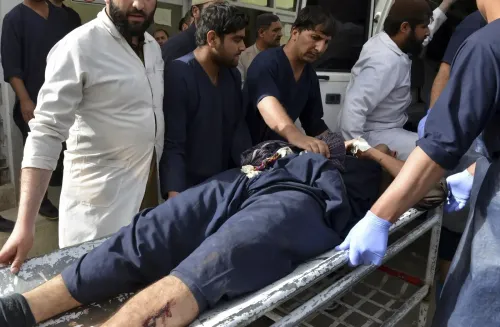
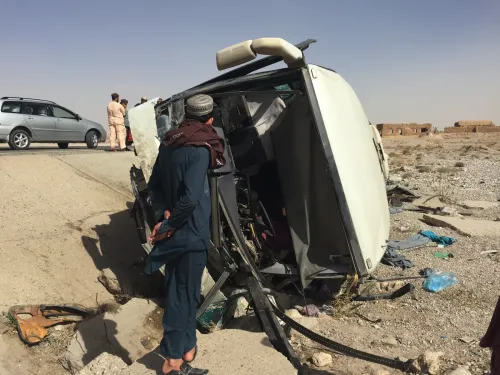
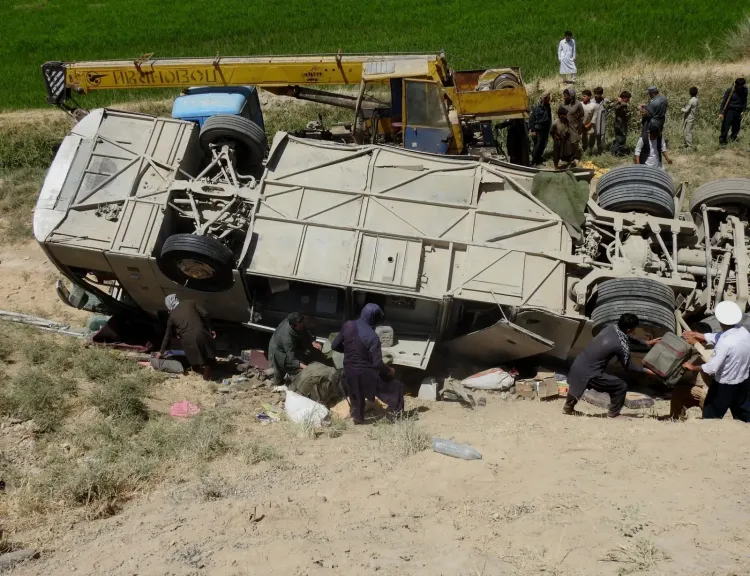
At least 18 people — including 10 children and five women — were killed and 35 others injured after a truck transporting Afghan migrants recently returned from Pakistan overturned on a highway in Laghman province, eastern Afghanistan, in the early hours of Saturday, 30 May. Local media reported the crash occurred around 5:30 am local time.
How the Accident Unfolded
According to Habibullah Mubarez, the Taliban's traffic director in Laghman, the vehicle overturned near the Surkhkanu intersection in Qarghayi district, along the main Kabul–Jalalabad highway, as reported by Afghan media outlet Amu TV. The cause of the accident was not immediately clear.
Taliban disaster management officials in neighbouring Nangarhar province confirmed that all victims were Afghan migrants who had recently returned from Pakistan. The passengers had been temporarily settled in Kunar province and were being transported to Kabul when the truck overturned.
Official Statement and Relief Efforts
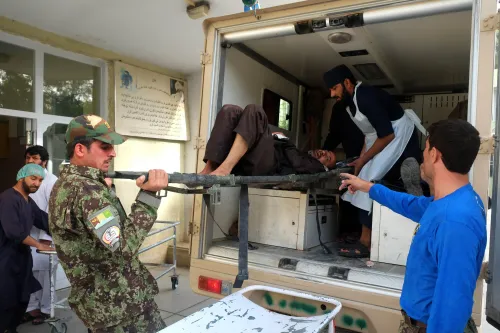
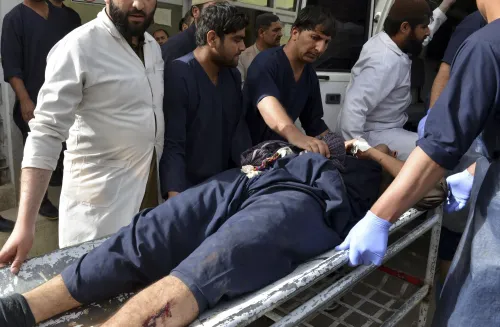
'18 people were killed, and 35 others were injured in the crash. The wounded were transferred to medical facilities in Nangarhar for treatment,' read a statement released by the Taliban governor's office in Laghman. Rescue and medical teams were mobilised to the site following the incident.
The Broader Migration Crisis
The tragedy comes amid a mass return of Afghan migrants from Pakistan, which has intensified efforts to deport undocumented Afghans. According to the Taliban commission for refugees, at least 4,000 migrants are deported from Pakistan on a daily basis.
Between 26 April and 9 May, approximately 114,321 people returned to Afghanistan from Iran and Pakistan, according to the International Organisation for Migration (IOM). The IOM noted that returnees include both deportees and voluntary returnees, comprising 14,778 families, many of them women and children.
Between 1 January and 9 May, more than 3.5 million people — comprising nearly 487,000 families — had returned to Afghanistan, per IOM data.
Strain on Infrastructure and Services
International aid agencies have warned that the mass return of migrants is placing additional strain on transportation networks and public services, particularly in eastern provinces that serve as key entry points into the country. Notably, Laghman and Nangarhar are among the provinces bearing the heaviest burden of returnee transit traffic.
This is not an isolated incident — the surge in returnee movement has repeatedly stressed road safety and reception capacity across Afghanistan's east. With deportations continuing at scale, the risk of further accidents on overloaded transport routes remains a pressing concern for humanitarian organisations.
Point of View
000 people a day — are funnelling tens of thousands of returnees through Afghanistan's eastern corridors faster than infrastructure can absorb them. Overcrowded trucks on mountain highways are not accidents waiting to happen; they are accidents happening repeatedly. The IOM's figure of 3.5 million returnees since January underscores the scale, yet international humanitarian response has not matched the urgency. The Taliban's own capacity to manage reception, transit, and resettlement remains severely limited, and the burden is falling on the most vulnerable — women, children, and families with no resources. Until deportation pace and reception capacity are brought into alignment, tragedies like Laghman will keep recurring.
NationPress
24 Sept 2026
Frequently Asked Questions
What happened in the Laghman truck accident on 30 May 2025?
A truck carrying Afghan migrants who had recently returned from Pakistan overturned on the Kabul–Jalalabad highway in Laghman province at around 5:30 am on 30 May 2025, killing 18 people — including 10 children and 5 women — and injuring 35 others. The cause of the accident was not immediately determined.
Who were the victims of the Laghman highway crash?
All victims were Afghan migrants who had recently been deported or returned from Pakistan. They had been temporarily sheltered in Kunar province and were being transported to Kabul when the accident occurred.
How many Afghans have returned from Pakistan in 2025?
According to the International Organisation for Migration (IOM), more than 3.5 million people — comprising nearly 487,000 families — returned to Afghanistan between 1 January and 9 May 2025. Pakistan is reportedly deporting at least 4,000 Afghan migrants daily.
Why are so many Afghan migrants returning from Pakistan?
Pakistan has intensified efforts to deport undocumented Afghan migrants, with at least 4,000 deportations per day according to the Taliban refugee commission. Many returnees are also voluntary, though a significant proportion are being forcibly expelled.
What impact is the mass return of migrants having on Afghanistan?
International aid agencies have warned that the mass return is placing severe strain on transportation networks and public services, especially in eastern provinces like Laghman and Nangarhar that serve as primary entry points. The Laghman crash illustrates the safety risks posed by overcrowded transit vehicles on these routes.