Typhoon Bavi kills 18 in Philippines, 12 missing as monsoon worsens impact
Synopsis
Typhoon Bavi has killed 18 people and left 12 missing in the Philippines while displacing over half a million — and it did not stop there. After battering the Philippines, the storm made a historic double landfall on China's Zhejiang coast, becoming the strongest July typhoon to strike the province since 1949, raising fears of flash floods and urban waterlogging deep inland.
Key Takeaways
Typhoon Bavi has killed at least 18 people and left 12 missing in the Philippines , according to the Philippine Office of Civil Defence (OCD) .
Approximately 562,000 people have been affected across the Philippines by the combined impact of the typhoon and the enhanced southwest monsoon.
Most deaths were caused by landslides and drowning ; hundreds of passengers remain stranded at seaports due to rough seas.
Typhoon Bavi made landfall twice on the coast of Zhejiang Province , China — at 11:20 pm Saturday and again around midnight — and is the strongest July typhoon to hit the province since 1949 .
Heavy rain exceeding 50 mm fell across roughly 42 per cent of Zhejiang's total area in 24 hours .
China has stepped up flood control and disaster relief operations as the storm continues to push inland.
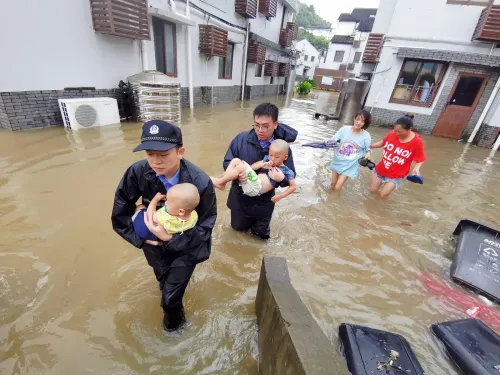
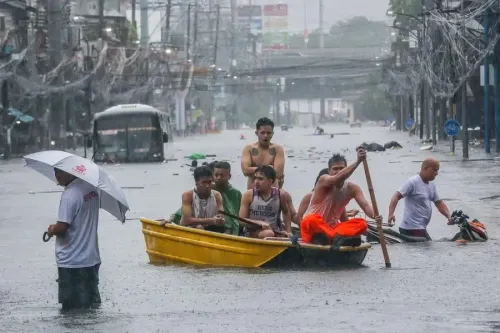
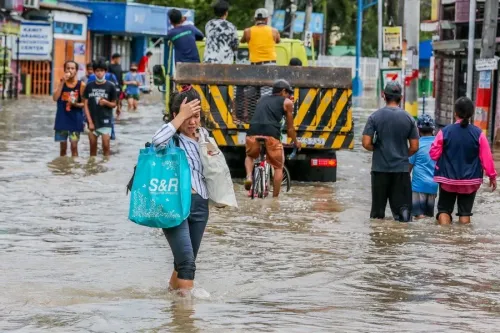
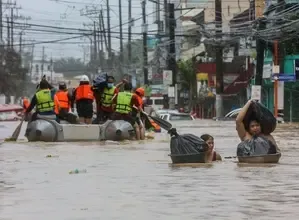
Typhoon Bavi, the ninth typhoon of the year, has claimed at least 18 lives in the Philippines and left 12 people missing, according to the Philippine Office of Civil Defence (OCD). The death toll reflects the combined devastation of the typhoon and an enhanced southwest monsoon, with the disaster affecting approximately 562,000 people across the country as of Sunday.
Causes of Death and Scale of Impact
Most fatalities were caused by landslides and drowning, the OCD confirmed. The scale of displacement and disruption underscores how the interaction between Typhoon Bavi and the southwest monsoon has amplified the storm's destructive reach well beyond its direct path.
The Philippine Atmospheric, Geophysical and Astronomical Services Administration (PAGASA) warned that the typhoon will continue to enhance the southwest monsoon, sustaining heavy rainfall across several regions and raising the risk of further flooding and landslides in the coming days, according to local media reports.
Search, Rescue and Stranded Passengers
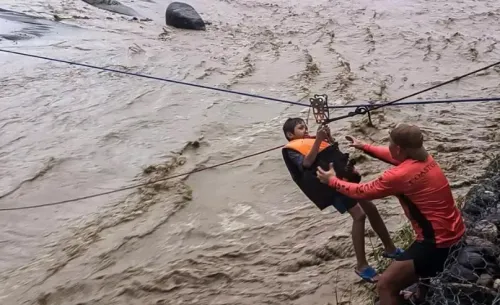
Authorities have deployed search and rescue teams and are conducting ongoing post-disaster response operations in affected areas. The Philippine Coast Guard reported hundreds of passengers stranded at seaports due to rough sea conditions, as maritime travel remained suspended across vulnerable routes.
Typhoon Bavi Strikes China's Zhejiang Province
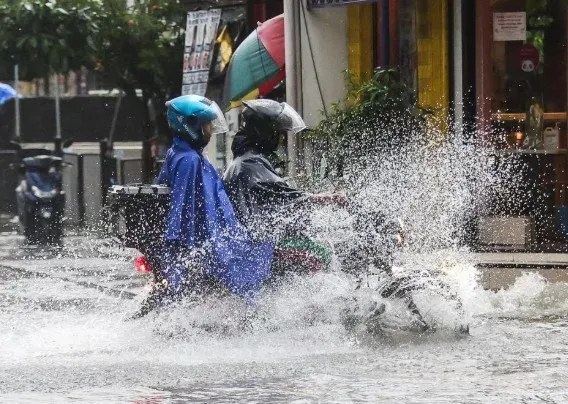
Typhoon Bavi also made landfall twice along the coast of Zhejiang Province in eastern China — first at 11:20 pm Saturday and again around midnight — before moving inland. The storm is expected to track northwest while gradually weakening.
Over the preceding 24 hours, heavy rain exceeding 50 mm struck much of the central and southern parts of Zhejiang, covering approximately 42 per cent of the province's total area. Bavi is described as the strongest July typhoon to hit Zhejiang since 1949.
Hu Yaowen, chief engineer of the provincial department of emergency management, cautioned that due to the storm's massive size and strength, it not only churned up large waves along the coast but also pushed deep inland, posing a high risk of flash floods, geological disasters, and urban waterlogging.
China Steps Up Disaster Response
China has intensified flood control and disaster relief operations as Typhoon Bavi continued to affect large parts of the country on Sunday. Authorities are monitoring the storm's inland trajectory as it weakens, with emergency management teams on alert across affected provinces.
With the typhoon season still active and the southwest monsoon reinforced, forecasters warn that the risk of secondary disasters — particularly landslides and riverine flooding — remains elevated across both the Philippines and parts of southern China in the near term.
Point of View
Perennially among the world's most typhoon-exposed nations, faces the familiar challenge of a monsoon-amplified storm stretching emergency response capacity thin. What deserves closer scrutiny is the 562,000-person displacement figure: it signals that infrastructure and early-warning systems, while improving, remain insufficient to prevent mass disruption. In China, the 'strongest July typhoon since 1949' framing is not hyperbole — it points to a pattern of intensifying storms making landfall further north and later in the season, a signal that warrants serious policy attention beyond immediate disaster relief.
NationPress
13 Jul 2026
Frequently Asked Questions
How many people have died due to Typhoon Bavi in the Philippines?
At least 18 people have been killed in the Philippines due to the combined effects of Typhoon Bavi and the enhanced southwest monsoon, according to the Philippine Office of Civil Defence (OCD). An additional 12 people remain missing.
How many people have been affected by Typhoon Bavi in the Philippines?
Approximately 562,000 people across the Philippines have been affected by the storm, according to the OCD. Most deaths were caused by landslides and drowning triggered by heavy rainfall.
Where did Typhoon Bavi make landfall in China?
Typhoon Bavi made landfall twice along the coast of Zhejiang Province in eastern China — first at 11:20 pm on Saturday and again around midnight. It is the strongest July typhoon to strike Zhejiang since 1949.
What is the risk from Typhoon Bavi in China?
Hu Yaowen, chief engineer of Zhejiang's provincial department of emergency management, warned of a high risk of flash floods, geological disasters, and urban waterlogging as the storm pushed deep inland. Heavy rain exceeding 50 mm covered about 42 per cent of Zhejiang's total area in 24 hours.
Is Typhoon Bavi still active?
As of Sunday, Typhoon Bavi was moving northwest and gradually weakening after making landfall in China. However, PAGASA warned it will continue to enhance the southwest monsoon in the Philippines, sustaining the risk of flooding and landslides in several areas.