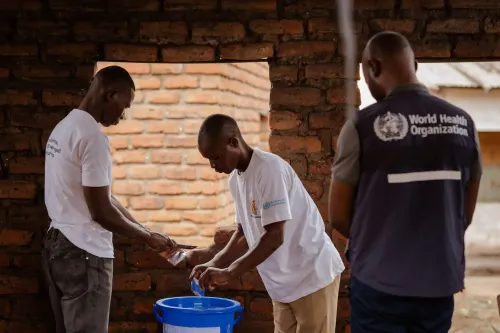
Nigeria cholera outbreak: 200 dead, 35,500 cases in Borno state
Synopsis
At least 198 people have died and over 35,500 suspected cholera cases have been reported in Nigeria's Borno state in just two months — one of the worst outbreaks the region has seen in years. With the rainy season ongoing and health facilities under strain, MSF is warning that the situation could deteriorate further without a rapid scale-up in clean water access and international support.
Key Takeaways
At least 198 people have died in a cholera outbreak in Borno state, Nigeria over the past two months, as of 12 July .
More than 35,500 suspected cases have been reported, according to Borno state government data cited by MSF .
MSF has treated over 24,000 patients with suspected cholera, working alongside government and humanitarian partners.
The Nigeria Centre for Disease Control and Prevention (NCDC) placed 10 states on high alert in April over cholera risks from flooding.
Borno state has restricted access to local dams and reservoirs and is supplying safe water via tankers as emergency measures.
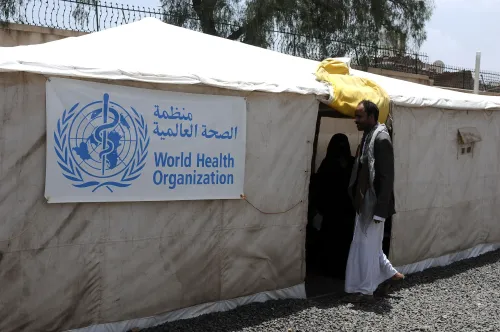
WHO , UNICEF , and MSF are all engaged in the outbreak response alongside Nigerian federal and state authorities.
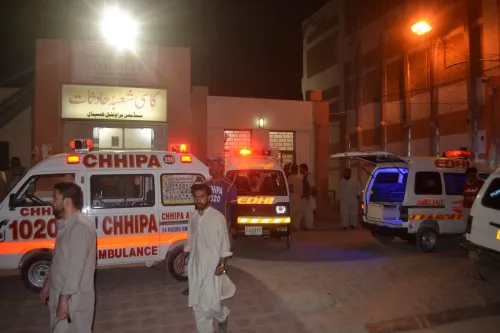
A worsening cholera outbreak in Nigeria's northeastern Borno state has killed at least 198 people and infected more than 35,500 others over the past two months, according to data cited by international medical charity Doctors Without Borders (MSF). The figures, drawn from Borno state government records as of 12 July, underscore what MSF has described as a rapidly deteriorating public health emergency that risks overwhelming local health infrastructure.
Scale of the Outbreak
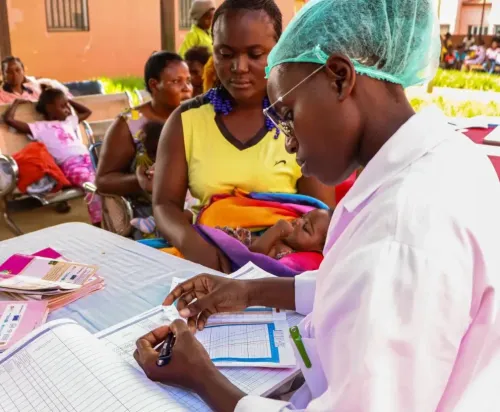
MSF reported that it had treated more than 24,000 patients with suspected cholera as of 12 July, working alongside government health authorities and humanitarian partners. The charity warned that the pace of new infections could strain facilities beyond their capacity despite ongoing response efforts. Borno state, already burdened by years of humanitarian crisis in its northeastern corridor, has seen disease spread accelerate amid poor access to clean water and sanitation.
Root Causes and Risk Factors
MSF attributed the continued spread to inadequate access to clean water, sanitation, and healthcare services across affected communities. This is consistent with a broader national pattern: in April, the Nigeria Centre for Disease Control and Prevention (NCDC) placed 10 states on high alert over cholera risks linked to heavy rainfall and flooding. Cholera, an acute diarrhoeal disease transmitted through contaminated food or water, has long been a recurring public health challenge in Nigerian states with weak water and sanitation infrastructure.
Government and International Response
The Nigerian government has activated its incident management system and deployed health teams to affected regions. At the state level, Bukar Tijjani, Secretary to the Borno State Government, said emergency measures have been implemented, including restricting access to potentially contaminated water sources such as local dams and reservoirs, and expanding safe drinking water supply through tankers. Investigations into the precise source of the outbreak are reportedly ongoing.
International organisations including the World Health Organization (WHO), the United Nations Children's Fund (UNICEF), and MSF are all engaged in the response. Notably, this is one of the most severe cholera episodes Borno state has recorded in recent years, compounding an already acute humanitarian situation in a region that has faced prolonged conflict and displacement.
What Comes Next
With the rainy season continuing across northern Nigeria, health authorities face a narrow window to contain transmission before conditions worsen further. The deployment of safe water tankers and restrictions on contaminated sources are short-term interventions; longer-term containment will depend on infrastructure investment and sustained international support. All eyes remain on whether the combined government and humanitarian response can arrest the death toll before it climbs further.
Point of View
Collapsed water infrastructure, and chronically underfunded sanitation in Nigeria's northeast. The NCDC had already flagged 10 states in April; that Borno has now recorded nearly 200 deaths suggests the early-warning system exists but the response capacity does not match it. MSF treating 24,000 of 35,500 reported cases points to a dangerous dependency on international charity where state health systems should be functioning. The real accountability question is not whether the outbreak was foreseeable — it was — but why clean water access remains so fragile in a state that has been a humanitarian priority for years.
NationPress
21 Oct 2026
Frequently Asked Questions
How many people have died in the Nigeria cholera outbreak in Borno state?
At least 198 people had died as of 12 July, according to Borno state government data cited by MSF. The outbreak has been ongoing for approximately two months, with more than 35,500 suspected cases reported in the state.
What is causing the cholera outbreak in Borno, Nigeria?
MSF attributes the spread to inadequate access to clean water, sanitation, and healthcare services in affected communities. Heavy rainfall and flooding — flagged as risk factors by the NCDC as early as April — have further contaminated water sources in the region.
What is MSF doing to respond to the Nigeria cholera outbreak?
MSF had treated more than 24,000 patients with suspected cholera as of 12 July, working alongside government health authorities and humanitarian partners. The charity has also raised the alarm about the risk of local health facilities being overwhelmed.
Which other organisations are involved in the cholera response in Nigeria?
The World Health Organization (WHO), UNICEF, and MSF are all engaged in the response alongside the Nigerian federal government and Borno state authorities. The government has activated its incident management system and deployed health teams to affected areas.
Why is Borno state particularly vulnerable to cholera outbreaks?
Borno state has faced prolonged conflict and displacement that have degraded water and sanitation infrastructure. It sits in Nigeria's northeast, a region with historically weak public health capacity, and is exposed to seasonal flooding that contaminates water sources — conditions that make cholera outbreaks both likely and hard to contain.