Barabanki drug case 2017: Two convicts get 10-year rigorous imprisonment
Synopsis
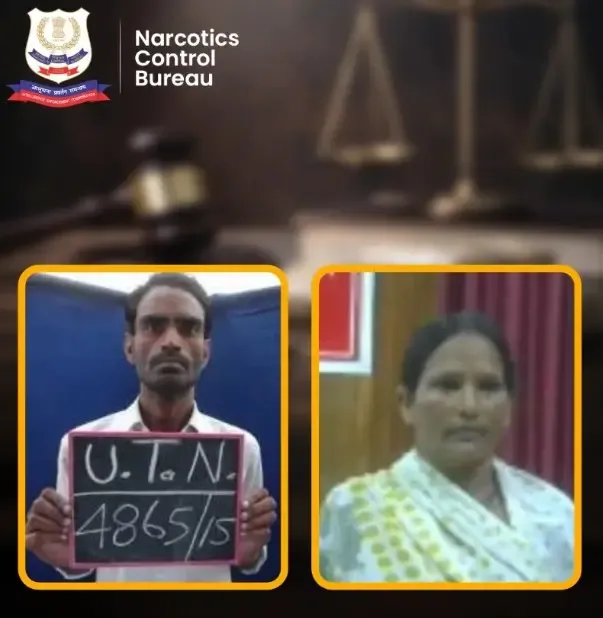
Seven years after seizing 340 grams of heroin and 160 grams of ganja from two passengers aboard the Avadh Assam Express, the NCB's Lucknow unit has won a landmark conviction — both accused sentenced to 10 years of rigorous imprisonment. The case also exposed an inter-state drug route running from Dimapur, Nagaland, to Uttar Pradesh.
Key Takeaways
A Barabanki court sentenced drug traffickers Shakeel and Rampyari to 10 years of rigorous imprisonment each on 19 October 2026 .
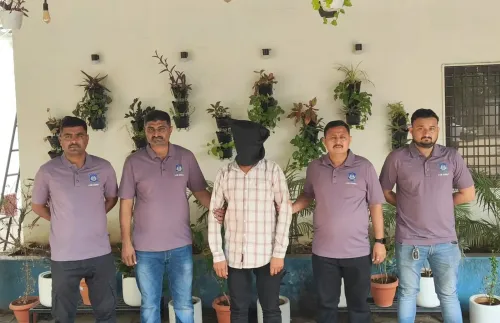
The case stems from a 27 May 2017 NCB operation at Barabanki Railway Station that seized 340 grams of heroin and 160 grams of ganja .
The contraband was recovered from the accused as they disembarked from the Avadh Assam Express .
Investigation revealed an inter-state supply route running from Dimapur, Nagaland to Barabanki, Uttar Pradesh .
The NCB urged citizens to report drug trafficking via the MANAS Helpline at 1933 , with informer identities kept confidential.
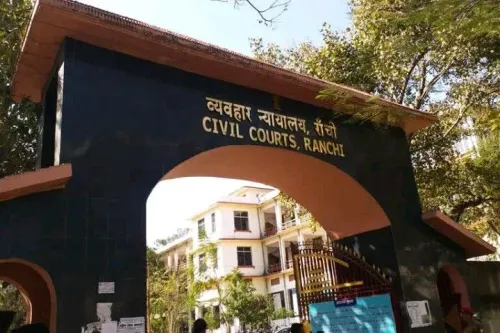
A court in Barabanki, Uttar Pradesh, has sentenced two drug traffickers to 10 years of rigorous imprisonment each in connection with a 2017 narcotics case involving the seizure of 340 grams of heroin and 160 grams of ganja from a railway platform. The Additional District and Sessions Judge, Barabanki, delivered the verdict on 19 October 2026, nearly seven years after the original arrest, following a prolonged trial pursued by the Narcotics Control Bureau (NCB), Lucknow unit.
Who Were Convicted
The two convicts have been identified as Shakeel, a resident of Chandwara village under the Safdarganj police station area of Barabanki, and Rampyari, who hails from Palhari village in the same police station jurisdiction. Both were found guilty of active involvement in the illicit transportation and distribution of narcotic substances.
How the 2017 Seizure Unfolded
The case traces back to 27 May 2017, when the NCB's Lucknow unit, acting on specific intelligence inputs, conducted a targeted operation at Barabanki Railway Station. The contraband — heroin and ganja — was recovered from black-coloured bags found in the conscious possession of Rampyari and Shakeel as they disembarked from the Avadh Assam Express. Investigators subsequently established that the seized narcotics had been transported from Dimapur, Nagaland to Barabanki, pointing to an inter-state drug supply network.
What the Court Found
After examining all evidence and the circumstances of the case, the court convicted both accused and imposed a sentence of 10 years of rigorous imprisonment on each. During arguments, the NCB's prosecution team stressed the grave societal harm caused by narcotics trafficking and sought stringent punishment, emphasising the need for firm deterrence against those involved in transporting and distributing illegal substances. The court concurred, finding the accused persons guilty beyond reasonable doubt.
NCB's Broader Message
The NCB described the verdict as 'a significant success in the fight against drug trafficking,' adding that the conviction 'reaffirms the NCB's commitment to adopting a zero-tolerance approach towards drug trafficking and its continued resolve to realise the vision of a Drug-Free India.' The agency also appealed to citizens to report drug-related information through the MANAS National Narcotics Helpline at 1933, assuring that the identities of informers would be kept strictly confidential. This conviction is among several secured by the NCB's Lucknow unit as part of sustained anti-narcotics enforcement across Uttar Pradesh, a state that has seen heightened focus on drug supply chain disruption in recent years.
Point of View
Supply chains have often regenerated entirely. The Dimapur-to-Barabanki route also signals a recurring pattern of north-eastern corridors feeding into the Gangetic plains, a structural vulnerability that individual convictions alone cannot address. The NCB's case is a prosecutorial win, but the broader question of whether punitive outcomes are deterring organised supply — rather than merely catching couriers at the bottom of the chain — remains unanswered.
NationPress
21 Oct 2026
Frequently Asked Questions
What was the Barabanki drug trafficking case of 2017?
On 27 May 2017, the NCB's Lucknow unit seized 340 grams of heroin and 160 grams of ganja from two individuals — Shakeel and Rampyari — as they stepped off the Avadh Assam Express at Barabanki Railway Station in Uttar Pradesh. The contraband was traced back to an inter-state supply route originating in Dimapur, Nagaland.
Who were sentenced and what punishment did they receive?
Shakeel, a resident of Chandwara village, and Rampyari, from Palhari village — both from the Safdarganj police station area of Barabanki — were each sentenced to 10 years of rigorous imprisonment by the Additional District and Sessions Judge, Barabanki, on 19 October 2026.
Why did the case take nearly seven years to conclude?
The NCB described the verdict as the outcome of 'a prolonged legal process.' Long trial timelines in narcotics cases are common in India due to procedural requirements, witness examination, and court backlogs, though the agency did not specify particular reasons for the delay in this case.
What is the MANAS Helpline and how can the public use it?
The MANAS National Narcotics Helpline, reachable at 1933, allows members of the public to report drug trafficking activity to the NCB. The agency has assured that the identities of all informers will be kept strictly confidential.
What is the significance of the Dimapur-to-Barabanki drug route?
Investigators found that the seized heroin and ganja had been transported from Dimapur in Nagaland to Barabanki in Uttar Pradesh, pointing to an organised inter-state supply network. This corridor connecting north-eastern India to the Gangetic plains has been a recurring concern for narcotics enforcement agencies.