Uttarakhand Launches Cleanliness Drive Amid Festive Season
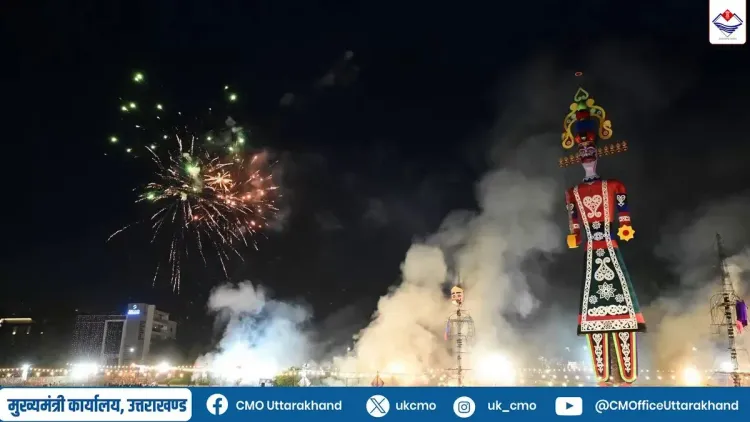
Synopsis
The Chief Minister's Office of Uttarakhand announced a state-wide cleanliness campaign on October 21, 2026, targeting the high-footfall festive period in Dehradun and beyond — linking environmental upkeep to the Swachh Bharat Mission's decade-long mandate.
Key Takeaways
The Chief Minister's Office of Uttarakhand announced an active cleanliness drive on October 21, 2026 , during the festive season.
The campaign is centred on Dehradun and targets waste generated during major festivals.
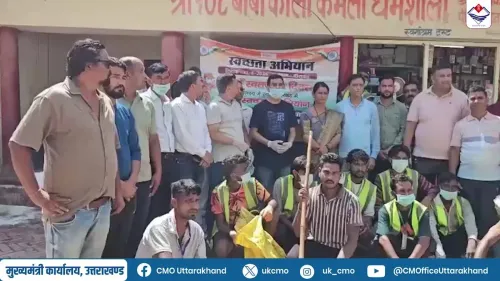
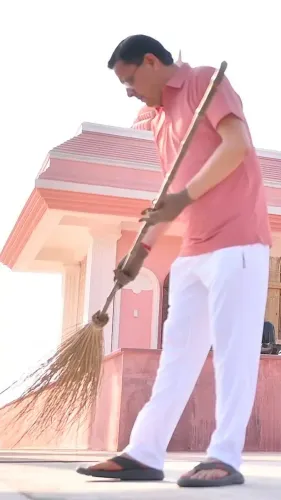
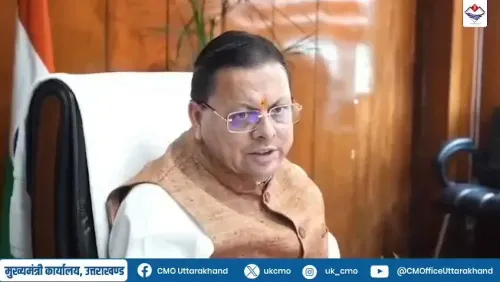
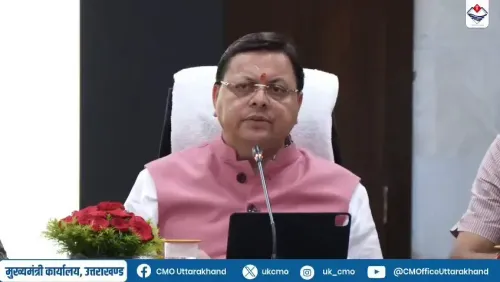
A video was shared alongside the post, indicating ground-level operational activity rather than a symbolic announcement.
Uttarakhand has participated in the Swachh Bharat Mission since its national launch in 2014 , covering both urban and rural areas.
Festive seasons are among the most waste-intensive periods for Himalayan towns that also serve as pilgrimage destinations.
As festival crowds fill Dehradun's streets and Uttarakhand's hill towns buzz with celebration, the state is simultaneously waging a quiet but pointed battle against waste. The Chief Minister's Office of Uttarakhand posted on Wednesday, October 21, 2026, flagging an active swachhata abhiyan (cleanliness campaign) running through the heart of the festive season.
The post, captioned 'त्योहारों के बीच उत्तराखण्ड में स्वच्छता अभियान' — 'A cleanliness campaign in Uttarakhand amid the festivals' — was accompanied by a video, signalling a ground-level mobilisation rather than a routine announcement.Festivals and Filth: Why the Timing Matters
The festive window — spanning Navratri, Dussehra, and Diwali — is historically the single most waste-intensive period for Indian cities. Footfall surges in markets, pilgrimage sites, and public spaces, and the volume of packaging, floral offerings, and food waste spikes sharply. For Uttarakhand, a Himalayan state whose identity is inseparable from its natural landscape and pilgrimage economy, unmanaged festive waste carries reputational and ecological stakes that go well beyond aesthetics.
State governments across India routinely intensify cleanliness drives at precisely this juncture — the logic being that a visible campaign during peak footfall embeds civic behaviour when it is most likely to be tested. Dehradun, as the state capital and its largest urban centre, is a natural anchor for such an exercise.
A Decade of Swachh Bharat — and the Hill-State Challenge
Uttarakhand has been part of the national Swachh Bharat Mission since its launch in 2014, engaging both urban and rural components across its districts. The mission's focus on solid waste management and open-defecation-free villages has particular resonance in a state where narrow hill roads complicate waste collection logistics and where rivers like the Ganga begin their journey.
Sustaining that momentum through high-footfall festive periods is where state-level execution becomes decisive — and where visible political signalling from the Chief Minister's Office translates into on-ground administrative urgency.
Point of View
A state whose tourism and pilgrimage economy depends on its Himalayan image, clean hill towns are not just optics but a core economic asset. The CMO's social media amplification of the drive also reflects a broader pattern of state governments using real-time digital signalling to reinforce the Swachh Bharat Mission's decade-old behavioural-change mandate. Whether the campaign expands to other districts and feeds into state-level cleanliness rankings will determine if this is a festival sprint or a sustained push.
NationPress
21 Oct 2026
Frequently Asked Questions
What is the Uttarakhand cleanliness drive announced in October 2026?
The Chief Minister's Office of Uttarakhand announced an active cleanliness campaign across the state, including Dehradun, on October 21, 2026, aimed at managing waste and promoting hygiene during the festive season.
Why is a swachhata abhiyan held during festivals in Uttarakhand?
Festive periods such as Navratri, Dussehra, and Diwali bring large crowds to public spaces and pilgrimage sites, sharply increasing waste generation. State governments intensify cleanliness drives at this time to manage the surge and reinforce civic behaviour.
Is Uttarakhand part of the Swachh Bharat Mission?
Yes. Uttarakhand has participated in the Swachh Bharat Mission since its national launch in 2014, covering both urban centres like Dehradun and rural and pilgrimage areas across the Himalayan state.
What areas does the Dehradun cleanliness campaign cover?
The campaign is anchored in Dehradun, the state capital, but the Chief Minister's Office post indicates a broader state-wide exercise across Uttarakhand. Specific district-level details have not been officially confirmed beyond the post.
How does waste management connect to Uttarakhand's environment goals?
As a Himalayan state with major rivers, pilgrimage routes, and a tourism-dependent economy, Uttarakhand faces particular environmental pressure from festive waste. Cleanliness campaigns align with both the Swachh Bharat Mission and the state's interest in protecting its natural landscape.