Over 3 million migrants left US since Trump's return, White House claims
Synopsis
The Trump White House has released its most comprehensive immigration scorecard yet — claiming 3 million migrants departed, a 95% collapse in border crossings, and a 38% drop in H-1B registrations. With no independent audit attached, the numbers are significant but contested. For India, the H-1B overhaul is the sharpest immediate impact, with a new $100,000 fee and a merit-first selection system reshaping access for tens of thousands of tech professionals.
Key Takeaways
The Trump administration claims more than 3 million migrants have left the US since President Trump returned to office.
The illegal immigrant population reportedly fell by at least 2.3 million , with nearly 1.2 million deported or removed and 1.3 million arrests made.
Illegal border crossings at the southern border fell by 95 per cent ; nationwide immigration encounters dropped below 380,000 in fiscal year 2026 versus 2.7 million annually under Biden.
Asylum approval rates fell sharply to approximately 7 per cent from over 50 per cent under the previous administration.
More than 300,000 visas were revoked; H-1B registrations for FY2027 dropped 38 per cent under a new merit-based selection system with a $100,000 petition fee for certain cases.
The figures were self-reported by the White House and were not accompanied by a comprehensive independent audit.
The Trump administration announced on 21 October 2026 that more than three million migrants have left the United States since President Donald Trump returned to office, unveiling a sweeping self-assessment of its immigration crackdown that covers mass deportations, a near-collapse in border crossings, and sweeping curbs on both illegal and legal immigration pathways.
Key Claims in the White House Assessment
In a statement titled 'How President Trump Ended the Border Invasion and Restored American Sovereignty', the White House said the population of immigrants living illegally in the country had fallen by at least 2.3 million — describing it as the largest sustained reduction in modern American history. The administration said nearly 1.2 million people had been deported or removed, while immigration authorities had carried out approximately 1.3 million arrests. Notably, the figures were not accompanied by a comprehensive independent audit.
Border Crossings and Enforcement Metrics
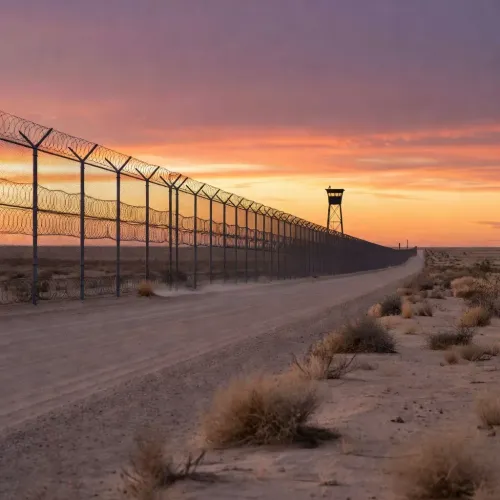
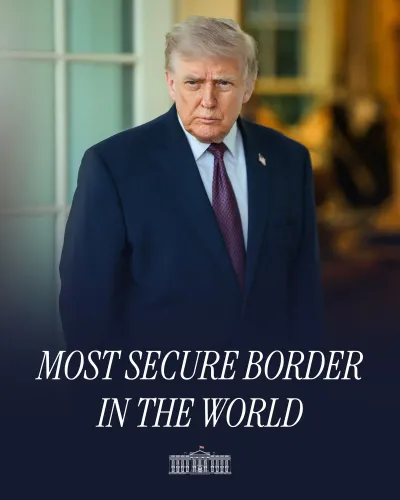
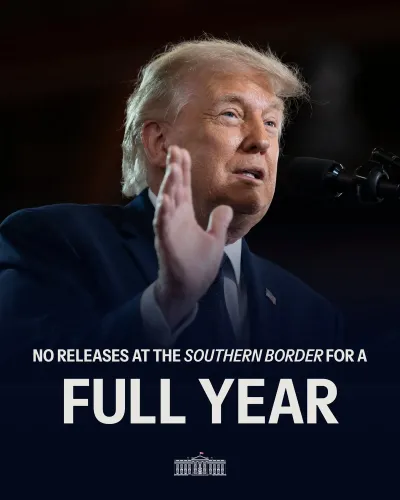
According to the White House, illegal crossings at the southern border fell by 95 per cent from levels recorded during the Biden administration. Nationwide immigration encounters reportedly dropped below 380,000 during fiscal year 2026, compared with approximately 2.7 million annually under the previous administration. The administration also claimed that no migrants apprehended by the Border Patrol were released into the United States during the fiscal year — describing it as an unprecedented enforcement outcome.
The White House said the immigration court backlog had fallen from more than 4.18 million cases to fewer than 3.09 million, following changes in court procedures, enforcement policies and the handling of pending cases. However, analysts note that a decline in the backlog does not necessarily mean all affected cases were resolved through final decisions on their merits.
Asylum Approvals and Visa Revocations
The statement highlighted a sharp fall in asylum approvals, with the approval rate declining to approximately seven per cent from more than 50 per cent during the previous administration. The White House attributed the change to tougher eligibility assessments and stricter enforcement measures. The administration also said it had revoked more than 300,000 visas since Trump returned to office, including thousands of student visas and visas linked to suspected misuse of immigration programmes.
Impact on H-1B Visas and Indian Tech Professionals
Among the most consequential changes for Indian nationals, the administration cited new restrictions on H-1B employment visas — a category widely used by Indian technology professionals. A $100,000 payment requirement has reportedly been introduced for certain H-1B petitions, and the previous random selection system has been replaced with a process intended to favour higher-skilled and better-paid workers. The White House claimed that H-1B registrations for fiscal year 2027 had declined by 38 per cent under the revised system. The administration also highlighted the termination of automatic extensions for certain employment authorisation documents and tighter requirements for foreign students and exchange visitors.
Broader Restrictions and What Comes Next
The White House also pointed to restrictions on immigrant access to federal benefits, including certain healthcare programmes, business loans and government-backed mortgage financing. Immigration enforcement agencies have reportedly expanded detention capacity, increased deportation flights, and strengthened cooperation with state and local authorities. The administration further claimed that its border policies had contributed to reduced drug trafficking and fewer deaths associated with illegal crossings. Critics and independent immigration analysts are expected to scrutinise the data closely, given the absence of a third-party audit underpinning the sweeping claims.
Point of View
But the absence of a third-party audit leaves the methodology open to challenge. For India, the H-1B story is the real headline: a $100,000 petition fee and a merit-ranked selection system represent a structural, not cosmetic, shift that will reshape the pipeline for Indian IT talent into the US for years. Mainstream coverage has focused on the deportation numbers; the quieter dismantling of legal immigration pathways deserves equal scrutiny.
NationPress
21 Oct 2026
Frequently Asked Questions
How many migrants have left the US since Trump returned to office?
The Trump administration claims more than three million migrants have left the United States since President Trump returned to office. Of these, nearly 1.2 million were deported or removed, while approximately 1.3 million arrests were carried out by immigration authorities.
How much have US border crossings fallen under Trump?
According to the White House, illegal crossings at the southern border fell by 95 per cent compared with levels recorded during the Biden administration. Nationwide immigration encounters dropped below 380,000 during fiscal year 2026, versus approximately 2.7 million annually under Biden.
How have H-1B visa rules changed under the Trump administration?
The Trump administration has introduced a $100,000 payment requirement for certain H-1B petitions and replaced the previous random lottery with a merit-based system favouring higher-skilled and better-paid workers. H-1B registrations for fiscal year 2027 have reportedly declined by 38 per cent under the revised system, directly affecting Indian technology professionals who are the largest users of the visa category.
Have asylum approvals changed under Trump?
Yes. The White House says the asylum approval rate has fallen to approximately seven per cent, down sharply from more than 50 per cent during the previous administration. The administration attributes this to tougher eligibility assessments and stricter enforcement measures.
Are the Trump administration's immigration figures independently verified?
No. The figures were presented as part of the White House's own assessment of its immigration policies and were not accompanied by a comprehensive independent audit. Analysts and critics are expected to scrutinise the methodology, particularly the way reductions in the immigration court backlog were counted.