Has the US Achieved ‘Zero Illegal Entries’ as the Cabinet Targets Visa Fraud?
Synopsis
President Donald Trump announced a historic achievement of zero illegal entries into the US for six months while targeting visa fraud. This news has significant implications for Indian nationals and H-1B professionals as the administration focuses on stricter immigration enforcement. Discover the measures being implemented and what they mean for those waiting for immigration decisions.
Key Takeaways
Trump claims zero illegal entries for six months.
Focus on visa fraud and undocumented migration.
Significant impact on Indian nationals and H-1B workers.
Stricter scrutiny of immigration policies expected.
Continued emphasis on enforcement as 2026 approaches.
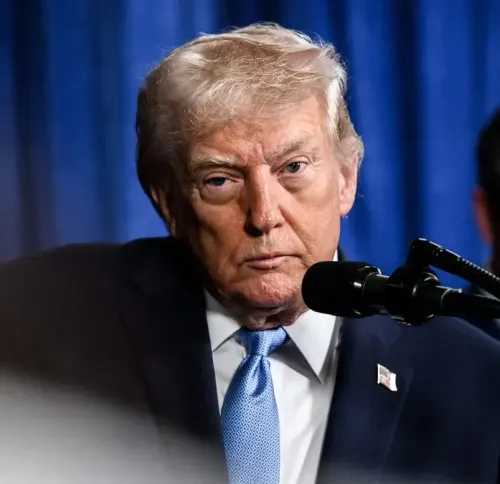
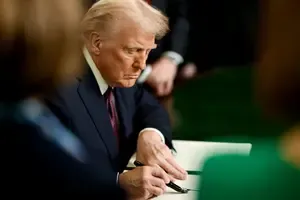
Washington, Dec 3 (NationPress) US President Donald Trump informed his Cabinet that the nation has achieved “zero” illegal entries for six consecutive months. This announcement comes as senior officials discuss extensive measures against visa fraud and undocumented immigration, a topic of significant interest to Indian nationals, H-1B visa holders, students, and families in the diaspora.
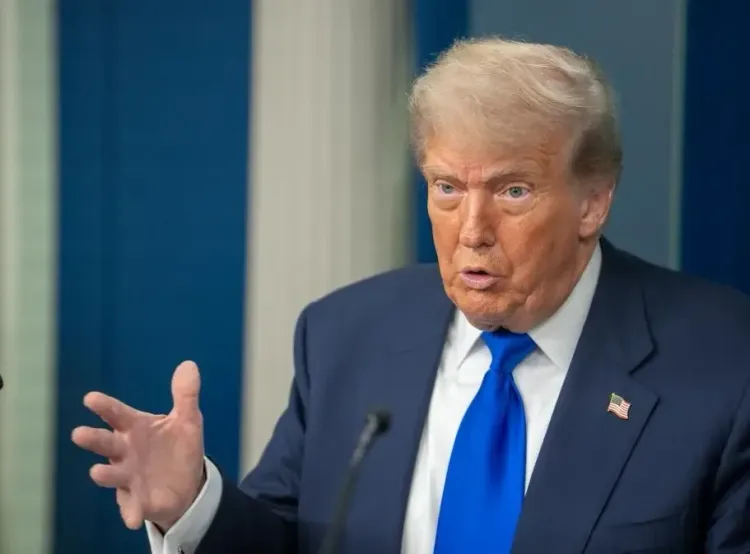
On Tuesday, Trump declared that his administration has effectively addressed what he termed “the worst border crisis in world history,” stating, “For six months in a row, zero illegal aliens have been admitted into the United States. You believe that, zero.” He claimed that illegal border crossings have “plummeted to the lowest level ever recorded.”
Trump credited the Border Patrol, ICE, and military for resolving a situation he previously described as “nasty.” He remarked, “Now they don’t even come up. Nobody comes up. It’s an easy job. I made your job a lot easier, because they know they’re not going to get through.”
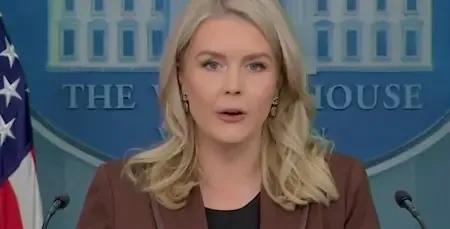
Secretary of Homeland Security Kristi Noem stated her department is focused on reversing practices from the previous administration. She accused Joe Biden of “using this department to invade the country with terrorists” and of “opening up the borders” to anyone reaching US entry points. “So it’s our job to get them out,” she added.
Noem announced that the administration has already deported “two million people” who were illegally in the country, explaining, “People that were here illegally, you've removed from our country and sent home, and we're going to send more home for the holidays.”
She noted that the department is preparing to hire its “10,000th ICE officer,” and has processed “hundreds of thousands of applications” for recruitment. Additionally, she highlighted that the flow of fentanyl across the southern border has decreased by “over 56 percent,” and emphasized maritime interdictions, stating that the US has “saved hundreds of millions of lives with the cocaine you've blown up in the Caribbean.”
Noem also mentioned that Trump instructed her to investigate state-level visa abuse, describing the situation as severe: “Fifty percent of them are fraudulent, which means that that wacko Governor Waltz either is an idiot or he did it on purpose. And I think he's both, sir.”
She claimed that individuals were “brought in there illegally that never should have been in this country,” including those who “said they were married to somebody who was their brother,” and who had “signed up for government programs,” taking “hundreds of billions of dollars from the taxpayers.” Trump responded affirmatively: “Good.”
Attorney General Pam Bondi stated that the Justice Department is supporting DHS enforcement, mentioning successes in immigration-related litigation. “We're winning nationwide injunctions,” she noted, while referring to actions against sanctuary cities and prosecutions related to violent crimes.
For diaspora communities—especially Indian students, tech professionals, small business owners, and families awaiting visa decisions—the administration's rhetoric indicates a persistent focus on enforcement, stricter scrutiny of state programs, and more assertive federal oversight of entry routes.
Trump reiterated that robust borders are crucial to national recovery, declaring, “We take people in, but they have to come in legally.” He emphasized, “We had millions of people coming in a year, millions. Now we have zero for six months.”
Advocates for the Indian American community express concerns that the current policy landscape impacts everything from H-1B pathways to student visa approvals and family immigration timelines. The administration's emphasis on fraud prevention, vetting, biometrics, and removal operations is likely to remain a key theme as we approach 2026.
Point of View
The administration's focus on enforcing immigration laws and combating visa fraud reflects ongoing political dynamics. While the announcement of zero illegal entries is striking, the implications for the diaspora communities, especially those with ties to India, are significant. The emphasis on stricter immigration policies raises questions about access and fairness in the immigration process as we look toward future developments.
NationPress
22 Sept 2026
Frequently Asked Questions
What measures is the Trump administration taking against visa fraud?
The administration is implementing extensive crackdowns on visa fraud and undocumented migration, focusing on stricter enforcement and investigation of state-level abuses.
How does this affect H-1B visa holders?
The heightened scrutiny and enforcement may impact H-1B visa pathways, potentially leading to delays and stricter requirements for applicants.
What has been the response from communities affected by these policies?
Communities, particularly Indian nationals and diaspora families, have expressed concerns about the implications for visa processing and immigration timelines.
What is the significance of zero illegal entries for six months?
It signifies a substantial shift in border control policies and reflects the administration's focus on stringent immigration enforcement.
What future implications could arise from these policies?
The emphasis on fraud prevention and strict immigration laws could lead to further changes in visa processing and immigration pathways as the 2026 timeline approaches.