Bangladesh violence: 50+ homes torched in Narail after 2 BNP leaders killed
Synopsis
Two BNP leaders killed in a procession attack in Kalia, Bangladesh, triggered a wave of retaliatory arson that gutted more than 50 homes of Awami League members in Narail — with the Awami League alleging the true toll exceeds 200 properties and accusing named BNP leaders of directing the violence on the ground.
Key Takeaways
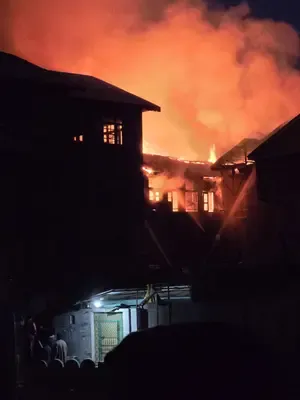
More than 50 residential structures belonging to 20–25 households of Awami League members were set ablaze in Bendar Char village, Kalia upazila, Narail on Friday, 20 November 2026 .
The arson followed the killing of two BNP leaders during an attacked procession in Kalia on Wednesday evening .
Fire services were delayed because trees had been felled across roads to block access, according to Kalia Fire Service Station Officer Humayun Kabir .
The Awami League alleges more than 200 homes in Narail were targeted in total, with bulldozers used to demolish some properties.
The party has accused senior BNP figures, including Rizvi , State Minister Amit , and local MP Biswas Jahangir Alam , of involvement — claims that have not been independently verified.
No formal arrests or independent inquiry had been announced as of Saturday, 21 November 2026 .
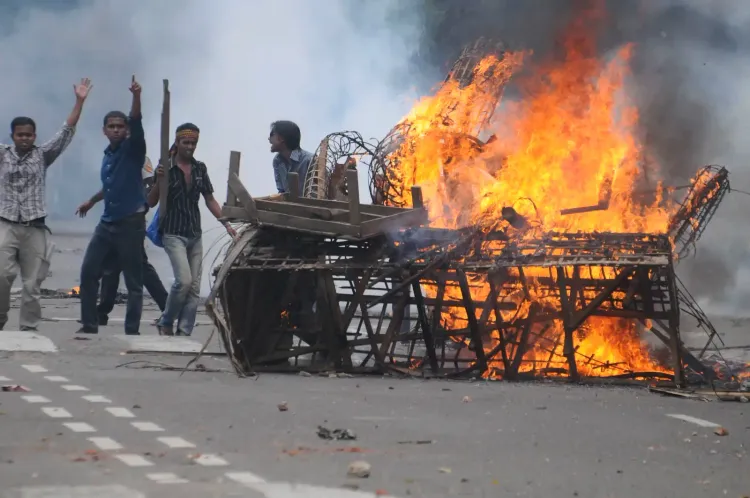
More than 50 residential structures belonging to Awami League leaders and activists were set ablaze in Kalia upazila of Narail district, Bangladesh, following the killing of two BNP leaders during a political procession, local media reported on Saturday, 21 November 2026. The arson attacks, which also gutted multiple shops, signal a sharp deterioration in law and order across the district.
How the Violence Unfolded
The arson attacks took place on Friday afternoon in Bendar Char village under Kalia municipality. According to Kalia Fire Service Station Officer Humayun Kabir, the fire service received information about the blaze at around 4 pm on Friday but could not reach the site immediately — trees had been felled across roads to obstruct access. By the time firefighters arrived, most of the fires had already subsided.
Humayun confirmed that more than 50 residential structures belonging to at least 20 to 25 households were gutted. Multiple shops in the Bardia Bazar area were also set on fire. Among the properties destroyed, local residents identified the ancestral home of former Awami League Member of Parliament Kabirul Haque Mukti.
The Trigger: BNP Procession Attack on Wednesday
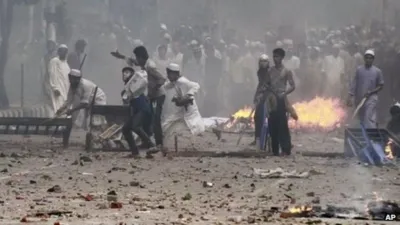
The arson was a direct consequence of an attack on a BNP procession in Kalia on Wednesday evening, organised to protest alleged violence by Awami League members. Two local BNP leaders were killed and several others injured in that attack. BNP leaders and workers subsequently accused Awami League members of carrying out the assault, setting off the retaliatory wave of arson and looting.
Awami League Alleges Coordinated Campaign
The Awami League alleged that more than 200 homes belonging to its leaders, activists, and their family members across Narail were targeted in what it described as a coordinated campaign of political violence involving arson, looting, and demolitions.
According to the party's account, citing local residents and victims, groups of attackers descended on villages after sunset, 'systematically identifying homes associated with the Awami League.' Furniture, cash, jewellery, livestock, and other belongings were allegedly looted before houses were 'doused with petrol and set ablaze.' Some properties were reportedly demolished using bulldozers, leaving entire families homeless.
Notably, the Awami League also levelled serious allegations of direct political involvement, with victims accusing senior BNP figures — including individuals identified as Rizvi and State Minister Amit — of being present and encouraging the attacks. Local BNP leader and MP Biswas Jahangir Alam was separately accused of directing the violence on the ground. The Awami League stated these accusations 'require independent investigation.'
Scale of Destruction and What It Means
The Awami League framed the destruction of more than 200 homes not merely as an attack on political activists but as an assault on entire families — threatening livelihoods, security, and what it termed the 'fundamental right to live without fear because of their political association.' This comes amid an already fragile political climate in Bangladesh, where inter-party clashes have repeatedly resulted in civilian casualties. The pattern of road blockades obstructing emergency responders adds a further layer of concern for humanitarian access.
As of Saturday, no independent verification of the Awami League's broader claim of 200 homes destroyed had been confirmed, and the BNP's response to the specific allegations of leadership involvement had not been reported. Authorities are yet to announce formal arrests or an independent inquiry into the violence.
Point of View
Two leaders killed, and within hours dozens of Awami League homes ablaze. What makes this episode particularly alarming is the alleged deliberate obstruction of fire services, which suggests organisation rather than spontaneous mob rage. The Awami League's claim of 200-plus homes destroyed and named BNP leadership involvement demands independent investigation, not partisan counter-claims. Bangladesh's interim administration faces a credibility test: if political affiliation determines whether your home burns with impunity, the country's democratic transition is in serious trouble.
NationPress
21 Nov 2026
Frequently Asked Questions
What triggered the arson attacks in Narail, Bangladesh?
The arson was triggered by the killing of two local BNP leaders during an attack on a BNP procession in Kalia upazila on Wednesday evening. BNP members blamed Awami League activists for the attack, leading to retaliatory arson targeting Awami League-linked homes the following day.
How many homes were destroyed in the Narail violence?
Fire service officer Humayun Kabir confirmed that more than 50 residential structures belonging to 20–25 households were gutted in Bendar Char village. The Awami League separately alleged that more than 200 homes across Narail were targeted in total, though this broader figure had not been independently verified as of Saturday.
Why were firefighters delayed in reaching the scene?
According to Kalia Fire Service Station Officer Humayun Kabir, trees had been placed across the roads to obstruct access, preventing fire service vehicles from reaching the village promptly. By the time they arrived, most of the fires had already subsided.
What allegations has the Awami League made about BNP's involvement?
The Awami League alleged that senior BNP figures, including individuals identified as Rizvi and State Minister Amit, were present and encouraged the attacks. Local BNP leader and MP Biswas Jahangir Alam was accused of directing the violence on the ground. The party has called for an independent investigation into these claims.
What is the broader political context of the Bangladesh unrest?
The violence reflects deepening inter-party hostility between the Bangladesh Nationalist Party (BNP) and the Awami League in a politically fragile environment. Clashes between supporters of the two parties have repeatedly escalated into civilian casualties and property destruction, raising concerns about law and order ahead of any future electoral process.