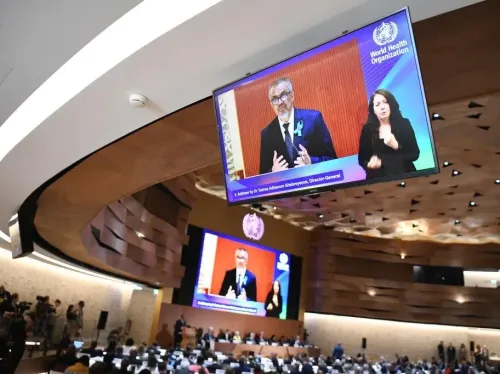
79th World Health Assembly concludes with 13 resolutions on global health
Synopsis
The 79th World Health Assembly wrapped up six days in Geneva with 13 resolutions and over 20 decisions — covering everything from antimicrobial resistance and tuberculosis to AI governance in healthcare. With geopolitical tensions rising and multilateral systems under pressure, the assembly's consensus-driven close is itself a signal worth noting.
Key Takeaways
The 79th World Health Assembly concluded in Geneva on 24 May 2025 after six days of sessions.
Member states adopted more than 20 decisions and 13 resolutions on issues including stroke, tuberculosis, and antimicrobial resistance.
The assembly reaffirmed the need for ethical and inclusive frameworks for AI and digital health governance.
WHO Director-General Tedros Adhanom Ghebreyesus called for immediate translation of resolutions into action, citing the need for political commitment and sustained financing.
Member states agreed to reform the global health architecture through a WHO -hosted, member state-led joint process.
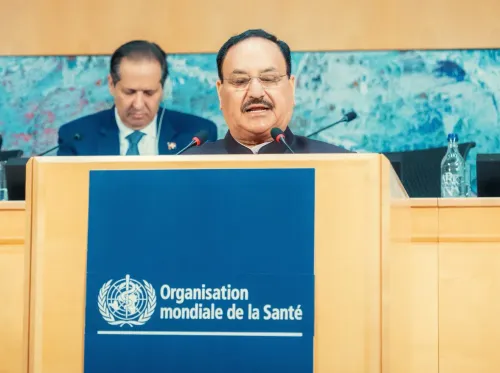
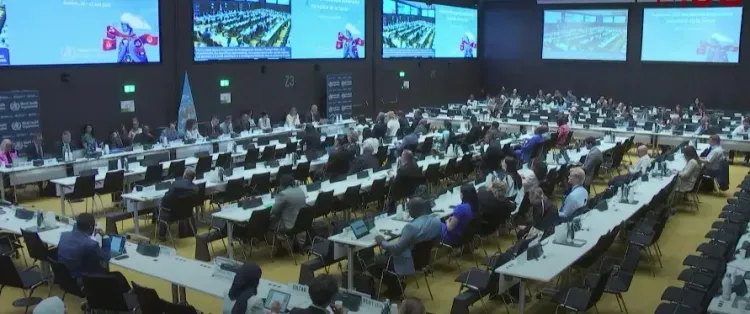
The 79th World Health Assembly concluded in Geneva on 24 May 2025 after six days of deliberations, with member states adopting more than 20 decisions and 13 resolutions spanning stroke, tuberculosis, antimicrobial resistance, haemophilia, precision medicine, and radiation safety. Held under the theme 'Reshaping global health: a shared responsibility', the assembly reaffirmed multilateral cooperation as the cornerstone of global public health governance.
Key Resolutions Adopted
The assembly's agenda covered a wide spectrum of pressing health challenges. Among the most significant outcomes were commitments to strengthen emergency preparedness and response systems, curb the spread of antimicrobial resistance, promote innovation in indigenous peoples' health, regulate ethical organ transplantation practices, and enhance protections for health workers worldwide. Delegates also addressed emergency care frameworks and the management of haemophilia.
Digital Health and AI on the Agenda
Emerging issues including digital health, interoperability, artificial intelligence, and digital governance featured prominently in discussions. The assembly reaffirmed the need for ethical and inclusive frameworks to advance people-centred, interoperable, and diverse medical cooperation — particularly in precision medicine and diagnostic imaging. This marks a notable expansion of the WHO's traditional remit into technology governance.
What the Assembly President Said
Victor Atallah Lajam, President of the Assembly and Minister of Health of the Dominican Republic, said in his closing remarks that amid intensifying geopolitical conflicts, frequent public health emergencies, and severe challenges to the multilateral system, the assembly 'successfully completed its agenda, once again demonstrating the power of multilateralism.' He noted that the outcomes 'will benefit millions or even more people.'
WHO Chief Calls for Urgent Action
WHO Director-General Tedros Adhanom Ghebreyesus urged member states to translate resolutions into action without delay, stressing that achieving global health goals 'will require political commitment, sustained financing, and continued cooperation between member states, partners and communities.' The assembly also agreed to reform the global health architecture through a member state-led joint process hosted by the World Health Organization (WHO).
With geopolitical fault lines deepening and multilateral institutions under strain, the assembly's ability to reach consensus on more than three dozen decisions signals that health diplomacy retains a degree of cohesion that other global forums have struggled to maintain. Whether member states follow through on implementation remains the critical next test.
Point of View
20-plus decisions — is substantial on paper, but the WHO's persistent implementation gap is the real story. Resolutions on antimicrobial resistance and emergency preparedness have been adopted in prior assemblies with uneven follow-through; the Director-General's explicit plea to 'translate resolutions into action without delay' is itself an acknowledgement of that pattern. The inclusion of AI and digital health governance is a necessary evolution, but the frameworks remain aspirational until member states commit funding. For a body navigating intensifying geopolitical fractures, consensus is an achievement — but consensus without accountability is just a communiqué.
NationPress
9 Oct 2026
Frequently Asked Questions
What is the World Health Assembly and what happened at the 79th session?
The World Health Assembly is the decision-making body of the World Health Organization, convening member states annually to set global health policy. At its 79th session in Geneva, delegates adopted 13 resolutions and more than 20 decisions covering tuberculosis, stroke, antimicrobial resistance, digital health, and AI governance, among other issues.
What were the key resolutions adopted at the 79th World Health Assembly?
Key resolutions addressed strengthening emergency preparedness, curbing antimicrobial resistance, promoting innovation in indigenous peoples' health, regulating ethical organ transplantation, and protecting health workers. The assembly also adopted guidance on precision medicine, diagnostic imaging, and digital health interoperability.
What did WHO Director-General Tedros say at the closing of the assembly?
WHO Director-General Tedros Adhanom Ghebreyesus urged member states to act on the resolutions immediately, stating that achieving global health goals 'will require political commitment, sustained financing, and continued cooperation between member states, partners and communities.'
How did the assembly address artificial intelligence and digital health?
The assembly held in-depth discussions on digital health, interoperability, AI, and digital governance, reaffirming the need for ethical and inclusive frameworks. The focus was on advancing people-centred, interoperable medical cooperation in areas such as precision medicine and diagnostic imaging.
What reform did the assembly agree to regarding the global health architecture?
Member states agreed to reform the global health architecture through a member state-led joint process hosted by the WHO. The specifics of the reform process are expected to be developed through subsequent consultations among member states.