Pentagon Gears Up to Send 82nd Airborne Division to Middle East Amid Iran Tensions
Synopsis
The Pentagon's potential deployment of the 82nd Airborne Division to the Middle East marks a significant moment in escalating tensions with Iran. As the conflict continues, military strategies and diplomatic efforts intertwine.
Key Takeaways
The Pentagon is preparing to deploy thousands from the 82nd Airborne Division .
The deployment signals a potential escalation in the Iran conflict .
Current U.S. military strategy relies heavily on air campaigns.
The Strait of Hormuz remains a vital global shipping route.
Negotiations with Iran are reportedly ongoing amidst military preparations.
Washington, March 25 (NationPress) The Pentagon is in the process of mobilizing thousands of personnel from the 82nd Airborne Division of the U.S. Army to the Middle East, indicating a possible escalation in tensions regarding Iran, even as the U.S. seeks diplomatic avenues.
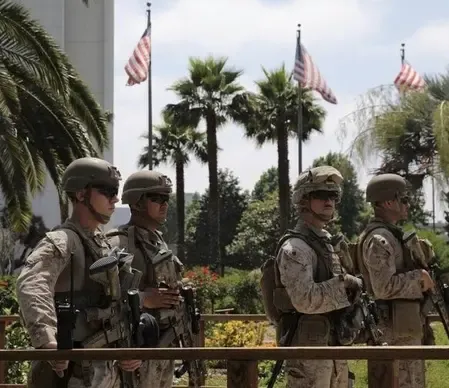
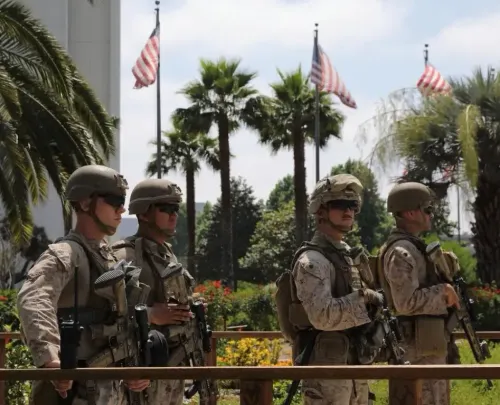
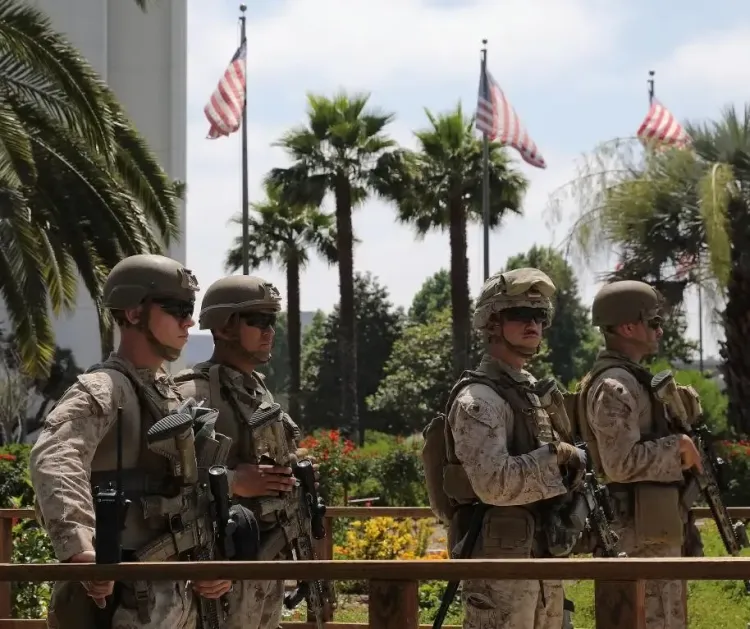
As reported by various media, the deployment is expected to involve approximately 3,000 troops from the 82nd Airborne Division, supplementing the thousands of Marines already en route to the area.
While officials have stated that no decision has been made for U.S. ground forces to enter Iran, the military buildup heightens the likelihood that American troops could become more involved in the ongoing conflict, according to Politico.
In a separate report by CBS News, parts of the 82nd Airborne, including command units and ground forces, are anticipated to be deployed, with initial estimates suggesting that fewer than 1,500 troops may be involved.
The 82nd Airborne is recognized as one of the U.S. military's elite rapid-response forces, capable of global deployment within hours. Its “Immediate Response Force” can mobilize within 18 hours, providing the White House with flexible military options, as noted by The New York Times.
This troop movement occurs as the conflict enters its fourth week. To date, the United States has primarily relied on an air campaign utilizing fighter jets, bombers, and drones.
As per the U.S. Central Command, over 9,000 military targets within Iran have been attacked since late February, targeting missile launchers, naval assets, and defense manufacturing facilities.
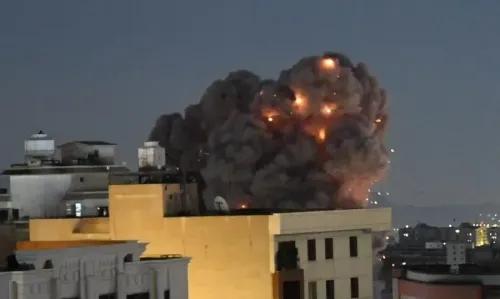
Hostilities continue in the region, with Iran conducting drone and ballistic missile strikes against Israel and other nations, despite Washington's willingness to engage in talks.
The Strait of Hormuz remains a significant point of contention. Iranian actions have hindered access to this crucial maritime route, through which approximately 20% of the world's oil supply flows, contributing to a rise in global energy prices.
The U.S. currently maintains around 50,000 troops in the Middle East. These additional deployments indicate that a more extensive military role may be contemplated, potentially involving actions to secure shipping lanes.
The New York Times has reported that military planners are considering scenarios where paratroopers could be stationed near Iran, with Marines potentially tasked with securing essential infrastructure or supporting operations concerning strategic oil routes.
Simultaneously, President Donald Trump has mentioned that discussions with Iran are ongoing, suggesting that his administration is actively engaging in negotiations and indicating that Tehran may be interested in reaching an agreement, as per CBS News.
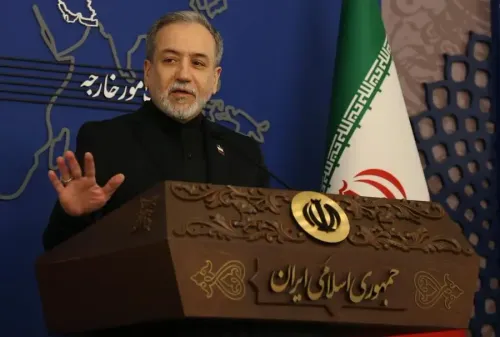
In contrast, Iran has officially rejected any claims of direct negotiations, labeling such assertions as “fake news.”
The current hostilities began on February 28 with U.S. and Israeli strikes targeting Iranian military installations. Since then, the situation has escalated into a broader regional conflict characterized by missile exchanges, drone strikes, and threats to global energy supplies.
The Strait of Hormuz remains pivotal to the crisis. Extended disruptions may have severe consequences for global oil markets, significantly impacting countries like India, which relies heavily on energy imports that traverse this region.
Point of View
It is essential to recognize the strategic implications of the U.S. military's potential involvement in the Middle East. While troop deployments could escalate tensions, diplomatic avenues remain crucial in navigating the complexities of this ongoing conflict.
NationPress
22 Sept 2026
Frequently Asked Questions
What is the purpose of deploying the 82nd Airborne Division to the Middle East?
The deployment aims to address escalating tensions with Iran and provide flexible military options for the U.S. as the conflict develops.
How many troops are expected to be deployed?
Approximately 3,000 troops from the 82nd Airborne Division are being prepared for deployment.
What has been the U.S. military strategy in the conflict so far?
The U.S. has primarily relied on an air campaign involving fighter jets, bombers, and drones targeting military installations in Iran.
What is the significance of the Strait of Hormuz?
The Strait of Hormuz is critical for global oil transportation, with about 20% of the world's oil passing through this waterway.
Are there ongoing negotiations between the U.S. and Iran?
Yes, President Trump has indicated that negotiations with Iran are ongoing, although Iran has denied direct talks.