Intense Negotiations Between US and Iran in Islamabad Raise Tensions
Synopsis
In a historic diplomatic effort, US and Iranian officials engage in lengthy negotiations in Islamabad, aiming for peace amidst deep divisions and heightened security. As the talks extend into the night, significant tensions remain unresolved.
Key Takeaways
Lengthy Negotiations: Discussions extended over 15 hours, indicating a commitment to dialogue.
Key Issues: Control of the Strait of Hormuz remains a central point of contention.
Intense Security: Islamabad was effectively under lockdown during the meetings.
Historic Engagement: The meetings signify the highest level of US-Iran dialogue in decades.
Ongoing Tensions: Despite dialogue, significant divisions on key topics persist.
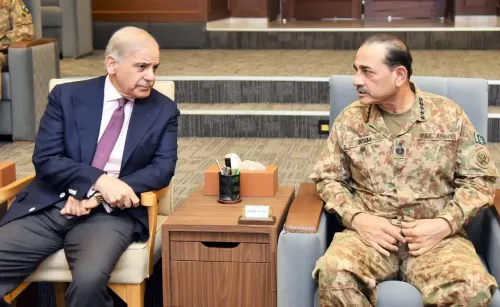
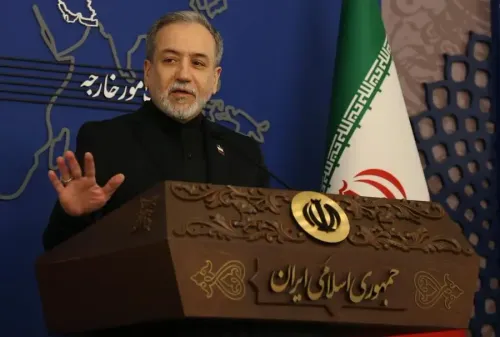
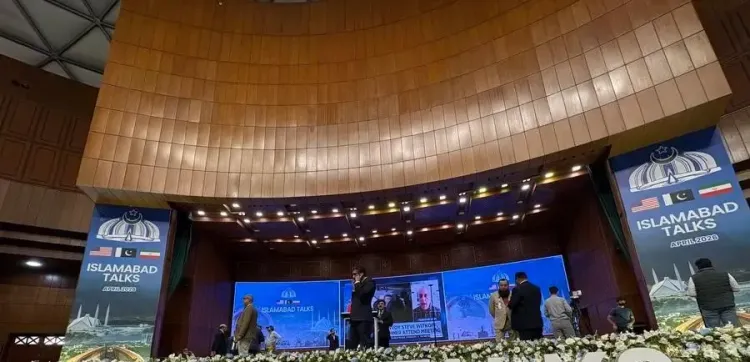
Washington, April 12 (NationPress) The US media has been closely monitoring the ongoing discussions regarding Iran in Islamabad on Saturday, emphasizing the lengthy negotiations, significant disagreements over critical topics, and intense security protocols surrounding these high-stakes meetings in the capital of Pakistan.
Reports from The New York Times, The Wall Street Journal, and The Washington Post characterized these discussions as a marathon diplomatic process between two longstanding adversaries, with conversations extending deep into the night and into early Sunday.
The New York Times reported that the negotiations between US and Iranian representatives continued “past 5 a.m. local time on Sunday,” labeling it a “historic meeting” as both parties aimed to negotiate peace following several weeks of conflict.
It highlighted that the duration of the discussions — exceeding 15 hours — indicated that both parties “remained engaged and still had subjects to explore,” even though no significant advancements had been realized.
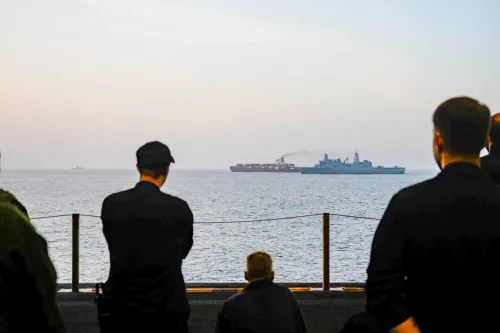
The report pinpointed the control of the Strait of Hormuz as the primary issue of contention, referring to it as an “economically crucial waterway” central to the discord between Washington and Tehran.
The article also noted that while these discussions had not yet produced results, the direct, face-to-face dialogue at this level was “remarkable” considering decades of animosity between the two nations.
The Wall Street Journal highlighted the atmosphere in Islamabad, stating that the city had transformed into a “ghost town” due to extensive security measures implemented by local authorities.
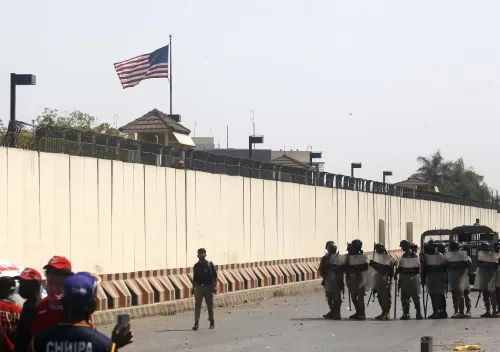
The report mentioned that central Islamabad was effectively under lockdown, with roads closed, businesses shut, and thousands of police and security personnel deployed. Streets that are typically bustling with traffic were “almost deserted,” it noted.
The paper also described the stringent security checks at the venue, where journalists had to pass “a dozen armed police officers” and undergo multiple screenings before accessing the press center.
Concerns regarding security were linked to the apprehension that “no disruptor can endanger the talks” amidst a fragile ceasefire and recent unrest in the area.
The Washington Post described the discussions as the highest level of direct engagement between the United States and Iran in decades, led by Vice President JD Vance.
The report indicated that discussions “extended well past midnight” and progressed into technical dialogues, signaling limited progress but sustained engagement.
It noted that both parties were striving for “a more lasting conclusion to the war” after reaching a temporary ceasefire, yet remained “far apart on essential issues.”
Across various outlets, the coverage underscored the uncertainty regarding the outcome. The New York Times pointed out that the White House had “not released any information about the status of the negotiations” despite their extended duration.
Point of View
The ongoing negotiations reflect a significant diplomatic effort that could reshape US-Iran relations. While the talks face considerable challenges, the commitment to dialogue demonstrates a willingness to address complex issues despite historical animosities.
NationPress
2 Oct 2026
Frequently Asked Questions
What are the main issues being discussed?
The primary focus of the talks is the control of the Strait of Hormuz, which is essential for global oil transportation.
Who is leading the US delegation?
The US delegation is led by Vice President JD Vance.
What security measures are in place in Islamabad?
Islamabad has been placed under lockdown, with extensive police presence and road closures to ensure security during the talks.
How long did the negotiations last?
The negotiations lasted for over 15 hours, extending into the early hours of Sunday.
Are there any outcomes from the talks yet?
As of now, there have been no significant breakthroughs or agreements announced.