Balochistan Independence Day 2025: Pakistan imposes internet blackout amid crackdown
Synopsis
As Balochistan marked its Independence Day on 11 August, Pakistani authorities allegedly shut down mobile and internet services across Quetta, Kalat, and Khuzdar, deployed drones and helicopters, and dug trenches around military installations — measures that activist Mir Yar Baloch called 'clear proof of the fear and failure of Pakistan's army.' With documentation delayed by the blackout, the full scale of the crackdown is still emerging.
Key Takeaways
Balochistan observed its Independence Day on 11 August , continuing an annual tradition opposed by Pakistan .
Activist Mir Yar Baloch alleged a mobile and internet shutdown across Quetta , Kalat , and Khuzdar ahead of celebrations.
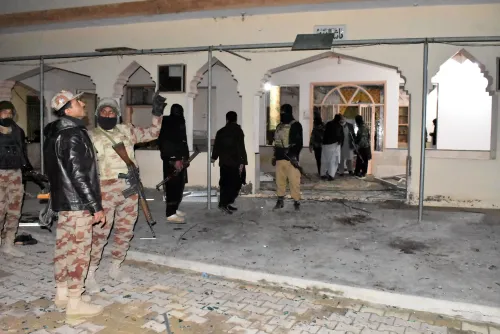
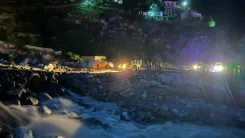
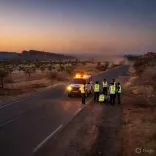
Pakistani forces allegedly deployed drones, helicopters, and dug trenches around cantonments and police stations, according to activists.
Baloch Voice for Justice (BVJ) called on the Baloch diaspora to amplify the voices of families silenced by the communications blackout.
The Baloch independence dispute dates to 1948 , when Pakistan annexed the princely state of Kalat following its short-lived declaration of independence in 1947 .
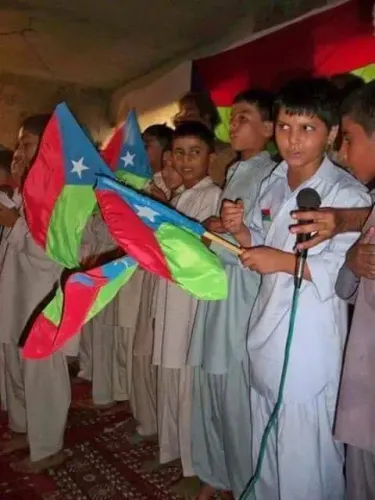
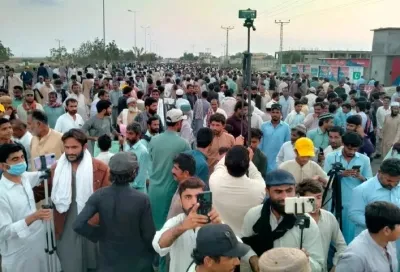
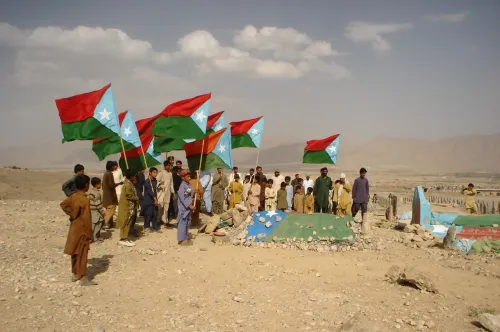
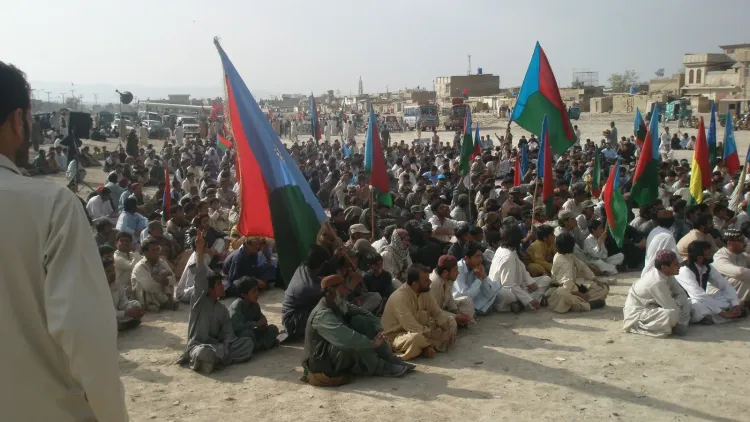
Balochistan marked its Independence Day on 11 August amid sweeping restrictions imposed by Pakistani authorities, including a mobile and internet shutdown across multiple districts, according to Baloch human rights activists. The annual observance, which Baloch nationalist groups frame as defiance of what they call Pakistan's 'illegal occupation', continued despite intensified security deployments, aerial surveillance, and alleged harassment of local families.
Historical Roots of the Dispute
The Baloch independence movement traces its origins to 1947, when the princely state of Kalat declared independence following the partition of British India. That declaration was short-lived: in 1948, Pakistan forcibly annexed the region — a move that Baloch nationalists have opposed ever since. The annual 11 August commemoration is a direct assertion of that contested history.
Alleged Crackdown: What Activists Reported
Human rights defender Mir Yar Baloch alleged that Pakistani authorities imposed a communication blackout across parts of Balochistan, including Quetta, Kalat, and Khuzdar, ahead of the celebrations. He further alleged that security forces dug large trenches around military cantonments and police stations, and that the Pakistan Air Force deployed drones and helicopters for aerial surveillance.
'To prevent the celebrations of Balochistan's independence, Pakistan's occupying foreign army has shut down mobile and internet services... this is clear proof of the fear and failure of Pakistan's army,' Mir Yar Baloch wrote in a post on X.
He added that despite the blackout, people across Balochistan had 'celebrated independence in their respective areas and broken all of Pakistan's obstacles,' though documentation — photographs, videos, and field reports — was delayed due to the connectivity shutdown.
Baloch Diaspora Called to Act
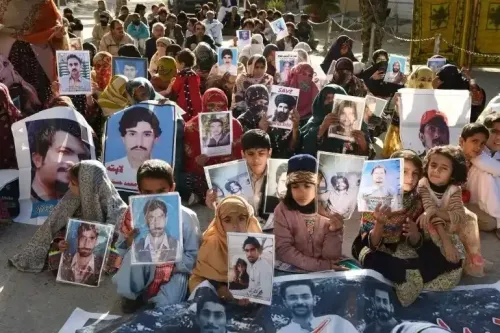
Human rights body Baloch Voice for Justice (BVJ) alleged that the internet shutdown, compounded by the harassment of families seeking information about missing relatives, had effectively silenced affected communities from reaching a global audience. The organisation called on the Baloch diaspora to serve as a surrogate voice for these families.
'It is the national and humanitarian responsibility of the Baloch diaspora to become the voice of these silenced families, to bring their suffering and demands to the attention of the world,' BVJ said in a statement.
International Attention and India's Role
Mir Yar Baloch expressed gratitude to mainstream media worldwide — specifically naming India — along with think tanks, researchers, students, and lawyers for amplifying Baloch voices on the global stage. He called for continued moral support, describing the situation as one in which international solidarity remains a critical lever for the movement.
With documentation still emerging due to the alleged communications blackout, a fuller picture of the scale of both the celebrations and the reported crackdown is expected to surface in the coming days.
Point of View
Restrictions intensify, yet the movement's international visibility grows, partly because suppression itself becomes the story. Pakistan's reported use of aerial surveillance and communications blackouts hands activists a ready-made narrative of disproportionate force. The harder question — whether international moral support translates into any tangible political outcome for Balochistan — remains unanswered, and mainstream coverage rarely presses it.
NationPress
11 Aug 2026
Frequently Asked Questions
Why does Balochistan celebrate Independence Day on 11 August?
Balochistan marks 11 August as its Independence Day in reference to the 1947 declaration of independence by the princely state of Kalat following the partition of British India. Pakistan annexed the region in 1948, a move Baloch nationalists have contested ever since.
What restrictions did Pakistani authorities allegedly impose on 11 August 2025?
According to human rights activist Mir Yar Baloch, Pakistani authorities shut down mobile and internet services across parts of Balochistan, including Quetta, Kalat, and Khuzdar. Security forces allegedly dug trenches around military cantonments and police stations, while the Pakistan Air Force reportedly deployed drones and helicopters for aerial surveillance.
Who is Mir Yar Baloch?
Mir Yar Baloch is a Baloch human rights defender who has been vocal about alleged Pakistani repression in Balochistan. He posted detailed accounts of the alleged crackdown on X, including descriptions of the internet shutdown and military deployments.
What is Baloch Voice for Justice (BVJ)?
Baloch Voice for Justice (BVJ) is a human rights organisation that advocates for Baloch communities. On 11 August, it alleged that the internet blackout and harassment of families had prevented affected communities from communicating with the outside world, and called on the Baloch diaspora to amplify their voices.
What role has India played in highlighting the Baloch issue?
Activist Mir Yar Baloch specifically named India among the countries whose mainstream media has amplified Baloch voices on the global stage. He expressed gratitude to Indian media, along with international think tanks, researchers, and lawyers, for drawing attention to the Baloch cause.