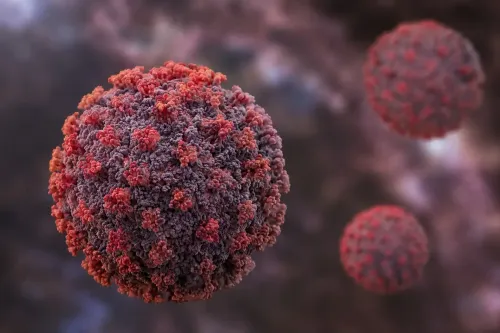
Africa CDC, WHO urge Hantavirus vigilance despite low Africa risk
The Africa Centres for Disease Control and Prevention (Africa CDC) and the World Health Organization (WHO) on 13 May urged health authorities and the general public to strengthen Hantavirus surveillance measures, even as the outbreak has been categorised as low risk to public health across the African continent. The call came during a joint technical briefing held in Addis Ababa, where experts stressed that preparedness — not panic — must define the regional response.
Key Developments
Yap Boum II, head of the emergency preparedness and response division at Africa CDC, called for intensified surveillance efforts and readiness for any emergency, noting that no Hantavirus cases have been recorded anywhere across Africa. He highlighted that prevention begins with simple daily actions and that early detection and prompt medical attention remain critical. Authorities and the public were urged to stay alert for symptoms including fever, headache, muscle aches, fatigue, and difficulty breathing.
The Cruise Ship Trigger
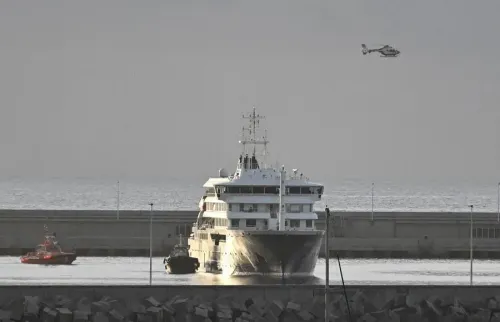
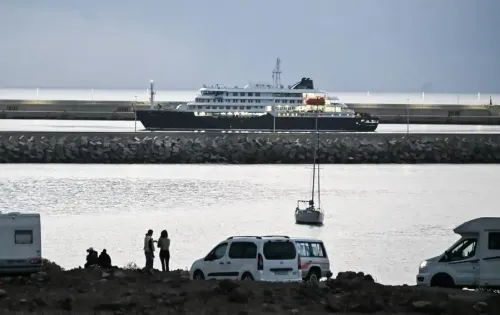
The briefing was prompted by a cluster of Hantavirus infections identified aboard the international cruise ship MV Hondius, which departed Argentina en route to Spain's Canary Islands, carrying 147 individuals. While the vessel's route does not directly involve the African mainland, the incident underscored the cross-border potential of zoonotic outbreaks and the importance of port-of-entry surveillance systems.
What the WHO Said
Marie-Roseline Belizaire, director of emergency preparedness and response at the WHO Africa regional office, emphasised that the current global risk assessment remains low but cautioned against complacency.