Pakistan's Institutionalized Persecution of Ahmadis Revealed: Shocking Report
Synopsis
A recent report exposes the systematic oppression of Ahmadis in Pakistan, revealing an organized institutional framework behind the attacks on their religious practices during Eid. This highlights the urgent need for awareness and action against such discrimination.
Key Takeaways
Systematic oppression of Ahmadis in Pakistan is institutionalized.
Police disrupted Eid prayers, revealing deep-rooted discrimination.
Bar associations have advocated for criminalizing Ahmadi practices.
International condemnation highlights the need for action.
Religious freedom remains a pressing issue in Pakistan.
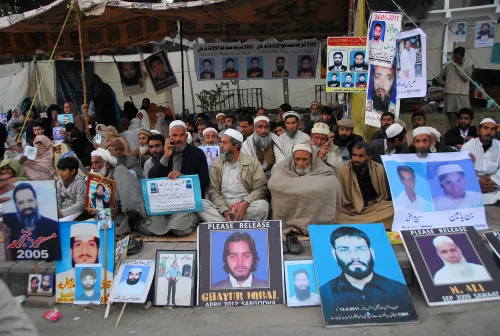
Rome, April 7 (NationPress) The systematic oppression of the Ahmadi community in Pakistan was once again exposed during this year's Eid celebrations, revealing that the actions against them are not merely the work of fringe groups but rather stem from a well-organized and deeply entrenched institutional framework, according to a recent report.
As highlighted by the Italy-based online publication ‘Bitter Winter', despite Pakistan's claims of promoting pluralism, tolerance, and a commitment to combat extremism, the Eid festivities in Punjab province were marred by assaults on the rights of minorities to worship freely.
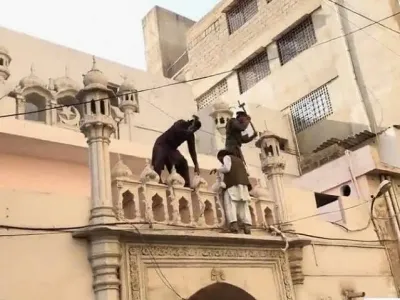
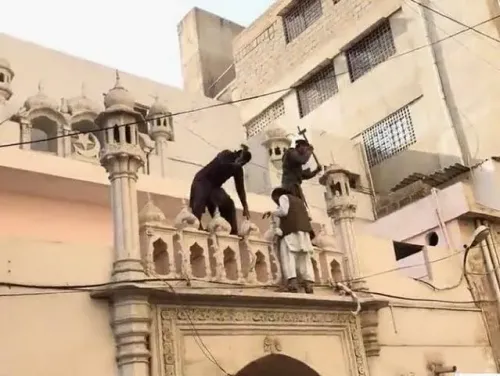
“Eid-ul-Fitr should have been a time of celebration for Pakistan’s Ahmadiyya community, potentially offering a brief respite from a year characterized by legal harassment, vandalism of mosques, and escalating limitations on their religious practices. Instead, this year's Eid underscored the lengths to which the state and its influencers will go to suppress the Ahmadi community, even in private gatherings,” the report elaborated.
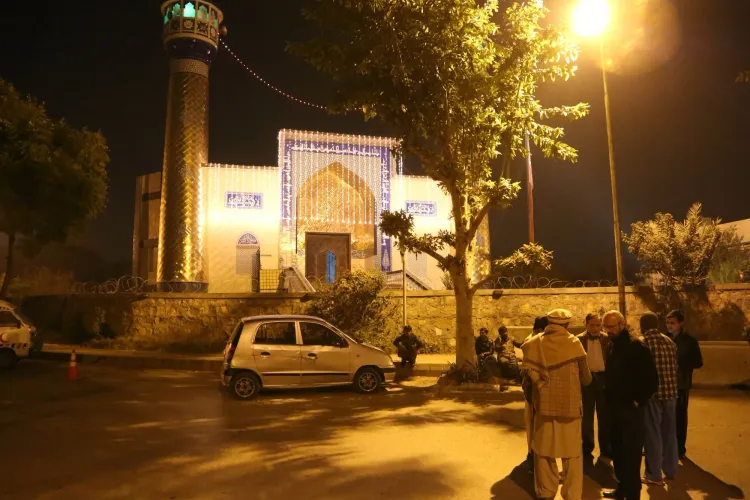
The report further indicated that in various areas of Punjab, police forces disrupted Ahmadi prayer gatherings, forcibly removing worshippers and locking them out—indicating that even within the confines of four walls, safety is no longer guaranteed.
“In Gujranwala, congregational prayers were halted before they could commence. In Sialkot, law enforcement officials were deployed across multiple sites to prevent any Ahmadi Eid gatherings. Faisalabad saw a worship site forcibly evacuated, while in Sargodha, prayer centers were treated like crime scenes instead of places of worship,” it stated.
Notably, the report emphasized that the police actions were not isolated incidents. “In the weeks leading up to Eid, various bar associations—organizations that should advocate for civil rights in a thriving democracy—issued letters urging authorities to criminalize Ahmadi religious practices. One bar association in Sindh called for punitive measures against Ahmadis for observing their rites, while another in Lahore advocated for strict enforcement of laws intended to restrict the community’s religious freedoms,” it explained.
Referencing comments made by India at the United Nations General Assembly during the observance of the International Day to Combat Islamophobia, the report noted that New Delhi characterized the severe repression faced by the Ahmadiyya community as a manifestation of Islamophobia.
“The occurrences in Punjab lend support to India's assertion. Preventing a peaceful community from practicing their Eid prayers is the anticipated outcome of a system where legal entities endorse discrimination, police enforce it, and politicians remain silent,” it concluded.
Point of View
It is crucial to present the facts surrounding the institutionalized persecution of Ahmadis in Pakistan. This report sheds light on a significant human rights issue that requires immediate attention from both national and international communities. The need for accountability and reform is paramount.
NationPress
11 Oct 2026
Frequently Asked Questions
What is the Ahmadi community?
The Ahmadi community is a religious group within Islam that faces persecution in various countries, particularly in Pakistan, where they are often denied fundamental rights and freedoms.
Why are Ahmadis persecuted in Pakistan?
Ahmadis are persecuted in Pakistan due to their beliefs, which are considered heretical by some mainstream Islamic groups. This has led to institutionalized discrimination and violence against them.
What happened during Eid celebrations in Punjab?
During Eid celebrations in Punjab, police disrupted Ahmadi prayer gatherings, forcibly removing worshippers and locking them out, highlighting the systemic oppression faced by the community.
What role do bar associations play in this persecution?
Bar associations in Pakistan have urged authorities to criminalize Ahmadi religious practices, contributing to the systemic legal harassment and societal discrimination against the community.
How has the international community responded?
The international community, including India, has condemned the persecution of Ahmadis in Pakistan, labeling it as a form of Islamophobia and calling for greater awareness and action.