Pakistan's persecution of Ahmadis violates core international human rights norms
Synopsis
A new Afghan Diaspora Network report lays out how Pakistan's 1984 penal code amendments — which criminalise Ahmadis for publicly practising their faith — have created a sustained human rights crisis backed by mob violence and state complicity. With the UN flagging a 'grave rise' in extrajudicial killings and attacks on Ahmadi sites as recently as July 2024, the report's call for legislative repeal puts fresh international pressure on Islamabad.
Key Takeaways
The Afghan Diaspora Network report concludes Pakistan's treatment of Ahmadis constitutes a systemic violation of international human rights law.
Pakistan declared Ahmadis non-Muslim in 1974 and criminalised core aspects of their faith through 1984 penal code amendments .
The UN High Commissioner for Human Rights documented a 'grave rise' in extrajudicial killings and attacks on Ahmadi worship sites in July 2024 .
Pakistani authorities have allegedly yielded to mob pressure by detaining Ahmadis rather than protecting them, according to the report.
The report identifies a direct breach of Article 18 of the ICCPR , which guarantees freedom of religion and worship.
Recommended remedies include repealing discriminatory laws, ensuring accountability for violence, and protecting Ahmadi burial sites and mosques.
A detailed report by the Afghan Diaspora Network has concluded that Pakistan's ongoing persecution of the Ahmadiyya community constitutes a sustained and systemic violation of fundamental human rights obligations under international law. The report, published in June 2025, documents how discriminatory legislation, mob violence, and institutional failure have collectively stripped Ahmadis of religious freedom, personal security, political participation, and equal standing before the law.
Discriminatory Legal Framework
According to the report, Pakistan's treatment of Ahmadis is structurally embedded in law. Human Rights Watch is cited as noting that Pakistan formally declared Ahmadis non-Muslim in 1974, and subsequently amended its penal code in 1984 to criminalise core aspects of Ahmadi religious practice — including publicly identifying as Muslim, using Islamic religious language, or referring to their places of worship as mosques.
The report argues these laws do not merely regulate conduct but 'target identity and belief itself.' Amnesty International is cited as stating that the legal framework has been used to prevent Ahmadis from practising their religion while exposing them to 'arbitrary arrest and criminal prosecution.'
Violence, Impunity, and State Failure
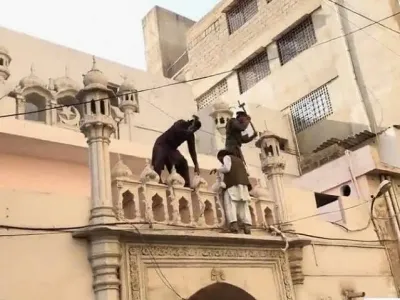
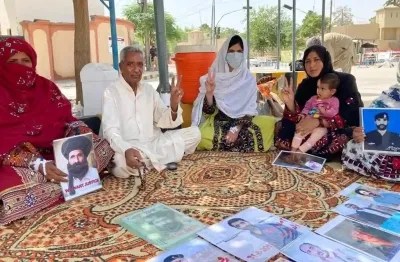
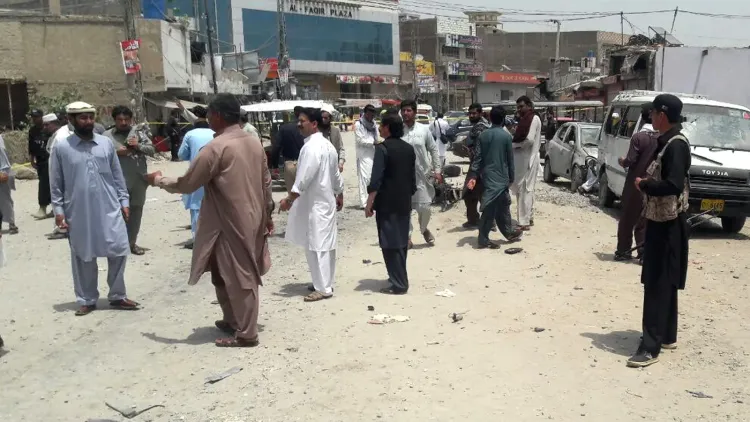
Ahmadis in Pakistan have long endured recurring violence by non-state actors, with state institutions repeatedly failing to provide protection, according to the report. It references a July 2024 finding by the Office of the UN High Commissioner for Human Rights, which documented a 'grave rise in extrajudicial killings, arbitrary arrests, detentions, attacks on places of worship, and restrictions on peaceful assembly and association.'
The report notes repeated attacks on Ahmadi cemeteries and worship sites, observing that even the deceased have not been spared from abuse. Recent reports of police pressure surrounding Ahmadi funeral rites in Badin are cited as emblematic of a broader pattern rather than isolated incidents.
Authorities Yielding to Mob Pressure
The report alleges that Pakistani authorities have at times yielded to mob pressure by arresting or detaining Ahmadis rather than protecting them from threats. 'In such cases, law enforcement does not function as a shield for vulnerable citizens but becomes part of the coercive environment,' the report states, describing this as 'a serious failure of due diligence.'
It stresses that states carry a duty not only to refrain from abuse themselves but also to prevent foreseeable harm by private actors — a standard Pakistan has, according to the report, consistently failed to meet.
Breach of International Human Rights Norms
The report identifies several violations of core international human rights instruments. Most directly, it cites Article 18 of the International Covenant on Civil and Political Rights (ICCPR), which protects freedom of thought, conscience, and religion — including the right to manifest one's religion in worship, observance, and practice. Criminalising Ahmadi religious expression, the report argues, is incompatible with this right.
The report calls on Pakistan to repeal discriminatory laws, ensure accountability for violence against Ahmadis, safeguard places of worship and burial sites, and guarantee the community equal protection under the law.
What Comes Next
The Afghan Diaspora Network's findings add to a growing body of international documentation on the Ahmadiyya crisis in Pakistan. With the UN Human Rights Office having flagged a sharp deterioration as recently as mid-2024, pressure on Islamabad from international human rights bodies is likely to intensify. Whether Pakistan's government responds with legislative reform or continues to deflect scrutiny remains to be seen.
Point of View
Yet the 1974 constitutional amendment and penal code provisions remain intact four decades on. What the Afghan Diaspora Network documents is the logical endpoint of laws that criminalise identity: state institutions that cannot protect a community without first contradicting the statute books they operate under. The UN's July 2024 finding of a 'grave rise' in extrajudicial killings signals that the situation is deteriorating, not stabilising. International pressure has historically produced little legislative movement in Islamabad on this issue, and without binding accountability mechanisms, another report cycle risks becoming routine documentation of an unresolved crisis.
NationPress
26 Sept 2026
Frequently Asked Questions
What does the Afghan Diaspora Network report say about Pakistan's treatment of Ahmadis?
The report concludes that Pakistan's persecution of the Ahmadiyya community is a sustained human rights crisis rooted in discriminatory law, social hostility, and weak state protection. It documents violations of religious freedom, personal security, political participation, and equality before the law, calling for repeal of discriminatory legislation and accountability for violence.
Which Pakistani laws discriminate against Ahmadis?
Pakistan declared Ahmadis non-Muslim through a constitutional amendment in 1974 and amended its penal code in 1984 to criminalise core aspects of Ahmadi religious practice — including publicly identifying as Muslim, using Islamic religious language, or calling their places of worship mosques. Human Rights Watch and Amnesty International are both cited in the report on these provisions.
What did the UN find about Ahmadis in Pakistan?
The Office of the UN High Commissioner for Human Rights, in a July 2024 finding cited by the report, documented a 'grave rise in extrajudicial killings, arbitrary arrests, detentions, attacks on places of worship, and restrictions on peaceful assembly and association' targeting Ahmadis in Pakistan.
How does Pakistan's treatment of Ahmadis violate international law?
The report identifies a direct breach of Article 18 of the International Covenant on Civil and Political Rights (ICCPR), which protects freedom of thought, conscience, and religion, including the right to manifest one's religion in worship and practice. Criminalising Ahmadi religious expression is, according to the report, incompatible with this right.
What remedies does the report recommend for Pakistan?
The report calls on Pakistan to repeal discriminatory laws targeting Ahmadis, ensure accountability for violence against the community, safeguard Ahmadi places of worship and burial sites, and guarantee equal protection under the law — consistent with Pakistan's existing international legal commitments.