Pakistan's anti-Ahmadi laws enable state-sponsored persecution, global silence widens gap
Synopsis
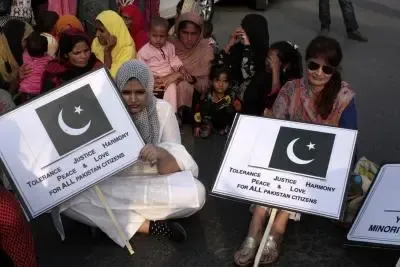
Pakistan has enshrined anti-Ahmadi discrimination into its constitution, penal code, and electoral system — and the world has largely looked away. A report in The Diplomat argues that global silence is not neutrality; it is permission. With Ahmadi worship criminalised, graves vandalised, and citizenship made conditional, the case is no longer about sectarian tensions — it is about a state systematically dismantling the rights of a minority by law.
Key Takeaways
Pakistan's laws criminalise Ahmadis for identifying as Muslim, preaching their faith, or inviting others to accept it — with penalties of up to three years in prison and a fine.
The discrimination is embedded in Pakistan's constitution, penal code, electoral system, police enforcement, and judicial processes , according to a report in The Diplomat .
Farooq Aftab of the London-based International Human Rights Committee described the legal discrimination as 'textual and state-sponsored.' Ahmadi graves have reportedly been vandalised for bearing Islamic inscriptions; communities have faced pressure to remove religious symbols from graves and places of worship.
Critics argue that sustained global silence has allowed Pakistan to uphold discriminatory laws at home while presenting itself as a constitutional democracy internationally.
Pakistan's systematic persecution of the Ahmadi community — embedded in the country's constitution, penal code, electoral framework, and judicial processes — continues largely unchecked, as the international community treats the discrimination as a domestic sensitivity rather than a structured system of religious repression, according to a report published in online magazine The Diplomat.
State-Sanctioned Discrimination
Pakistan's laws explicitly criminalise Ahmadis for 'posing' as Muslims, identifying their faith as Islam, preaching or propagating it, or inviting others to accept it. Those found guilty under these provisions face up to three years in prison and a fine, according to the report. The legal framework, critics argue, does not merely reflect social hostility — it institutionalises it at the level of the state itself.
'The legal discrimination is not subtle — it is textual and state-sponsored,' said Farooq Aftab, an Ahmadi academic from the Secretariat of the London-based International Human Rights Committee, speaking to The Diplomat.
How Law Becomes Permission for Persecution
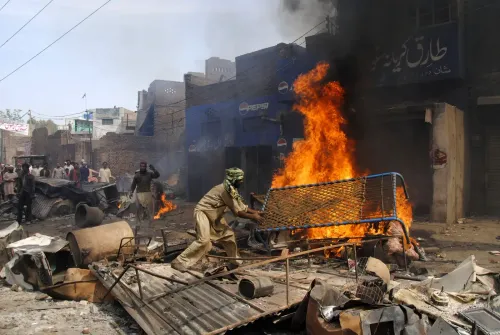
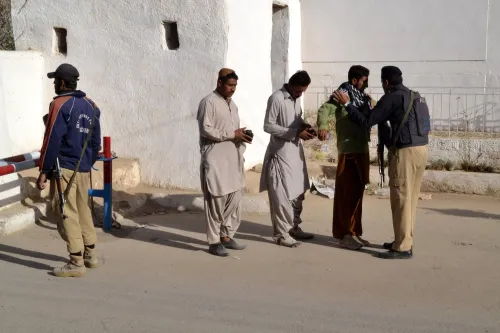
The report details how Pakistan's legal structure provides a ready-made language of accusation for targeting Ahmadis. A mob attacking an Ahmadi mosque, the report notes, can present itself not as lawless, but as enforcing religious boundaries the state itself has drawn. A cleric demanding the sealing of an Ahmadi place of worship can frame discrimination as law enforcement. A police officer restricting worship can claim he is preventing unrest.
'This is how law becomes permission for persecution of a minority,' the report stated. The intentional classification of Ahmadis as non-Muslim in a deeply conservative Muslim-majority country has, according to the report, placed discrimination against them at the heart of the Pakistani state — not merely at its social margins.
Persecution That Continues Beyond Life
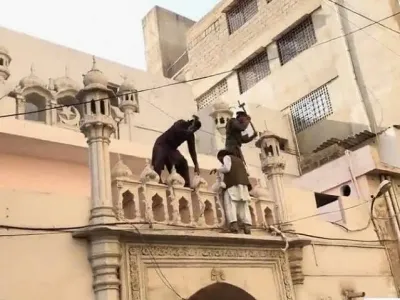
The discrimination reportedly extends beyond the living. Ahmadi graves have repeatedly been vandalised because they bear Islamic inscriptions. Communities have, in some cases, reportedly come under pressure to remove religious symbols from graves and places of worship, according to the report.
Global Silence and Its Consequences
Despite the scale of the repression, Pakistan has rarely faced the sustained international pressure that such state-sponsored discrimination would ordinarily invite. The report argues that this silence has effectively enabled Pakistan's establishment to uphold discriminatory laws domestically while projecting itself abroad as a constitutional democracy.
'Pakistan should not be allowed to hide behind the language of public order while its own laws manufacture disorder for religious communities inside the country,' the report said. 'The Ahmadi community issue is not whether Ahmadis are unpopular among clerics or mobs or that Islamists don't like them. The issue is that Pakistan as a state has made their religious identity punishable, their worship suspect, and their vote and citizenship conditional.'
The report concluded with a pointed warning: 'The world should not treat their persecution as a domestic sensitivity or as a series of isolated sectarian incidents. It is a warning about a community being pushed out of equal citizenship by law, mobs, police, courts, and political silence.' As international scrutiny of Pakistan's human rights record intensifies in multilateral forums, whether that warning translates into sustained diplomatic pressure remains to be seen.
Point of View
The usual diplomatic vocabulary of 'dialogue' and 'domestic sensitivity' becomes a cover for inaction. The harder question is whether multilateral bodies and bilateral partners will move beyond periodic resolutions to conditionality that actually costs Pakistan something.
NationPress
17 Oct 2026
Frequently Asked Questions
What laws in Pakistan target the Ahmadi community?
Pakistan's penal code makes it a criminal offence for Ahmadis to identify their faith as Islam, preach or propagate it, or invite others to accept it — with penalties of up to three years in prison and a fine. Their classification as non-Muslim is also enshrined in the constitution and reflected in the electoral system.
Why has Pakistan faced little international pressure over Ahmadi persecution?
According to a report in The Diplomat, the international community has largely treated the discrimination as a domestic sensitivity rather than a system of state-sponsored religious repression. This silence has, critics argue, allowed Pakistan to maintain discriminatory laws at home while presenting itself as a constitutional democracy abroad.
Who are the Ahmadis and why are they targeted in Pakistan?
Ahmadis are a Muslim minority community who consider themselves Muslim but are legally classified as non-Muslim under Pakistan's 1974 constitutional amendment. Their religious identity is treated as punishable under Pakistani law, making them targets for both state enforcement and mob violence.
How does Pakistan's legal framework enable persecution of Ahmadis?
The legal structure provides a ready-made language of accusation: a mob attacking an Ahmadi mosque can claim it is enforcing state-drawn religious boundaries, a cleric can frame discrimination as law enforcement, and a police officer can restrict worship under the pretext of preventing unrest. The report argues this is how law becomes permission for persecution.
Does the persecution of Ahmadis extend beyond violence against the living?
Yes. The report notes that Ahmadi graves have repeatedly been vandalised because they bear Islamic inscriptions. Communities have reportedly come under pressure to remove religious symbols from graves and places of worship as well.