India Highlights Pakistan's Islamophobia in Ahmadiyya Persecution
Synopsis
In a striking address at the UN, India unveiled Pakistan's systemic Islamophobia towards Ahmadiyyas, with Islamabad's representative tacitly acknowledging the issue. This exposes the ongoing religious persecution and political manipulation in the region, raising urgent questions about the broader implications for global religious tolerance.
Key Takeaways
Pakistan's Islamophobia and persecution of Ahmadiyyas are acknowledged.
India's diplomatic approach highlights human rights concerns.
The 1974 constitutional amendment formalized Ahmadiyya persecution .
UN discussions need a broader focus on religious intolerance .
Importance of interfaith dialogue to foster understanding.
United Nations, March 17 (NationPress) India has brought to light Pakistan’s own Islamophobia, evident in the severe persecution of Ahmadiyyas, and Islamabad’s representative has all but confirmed its occurrence.
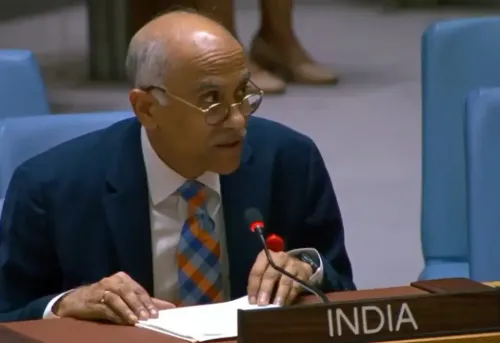
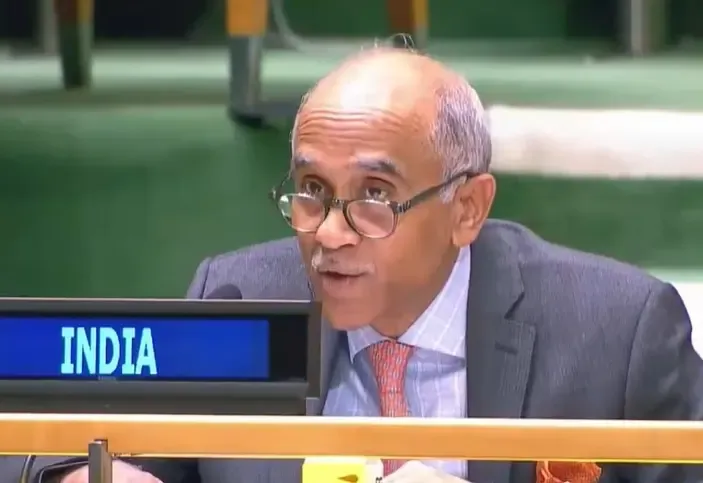
In his address, India’s Permanent Representative P. Harish referred to Pakistan as "our western neighbour" and provocatively questioned, “What would we call the brutal oppression of Ahmadiyyas in that nation, or the forced repatriation of vulnerable Afghans, or the airstrikes during the sacred month of Ramadan?”
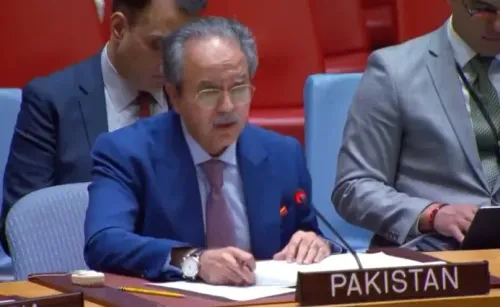
Pakistan’s Permanent Representative Asim Iftikhar Ahmad interjected, despite his country not being explicitly named, and refrained from denying the allegations. Instead, he accused India of politicizing the General Assembly’s discussion on Islamophobia.
In typical diplomatic fashion, Harish did not directly mention Pakistan during the General Assembly's observance of the International Day to Combat Islamophobia, yet his comments left little doubt as to the target of his criticism.
Ahmad’s response effectively acknowledged the persecution faced by Ahmadiyyas.
A constitutional amendment in 1974 classified Ahmadiyyas as “non-Muslim,” formalizing their persecution as state policy.
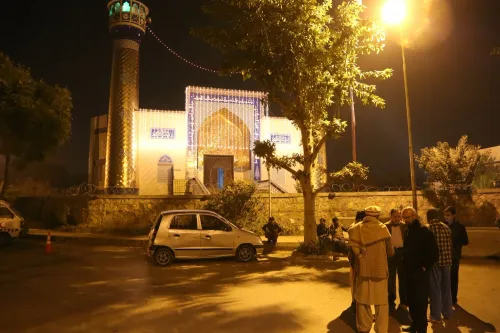
Beyond recurrent attacks on their places of worship, the anti-blasphemy laws expose them to potential death sentences.
Again, without naming Pakistan, Harish remarked that its narratives regarding India merely reflect Islamabad’s “terrorist mentality that has persisted since its inception.”
“This is the true issue at stake,” he asserted.
As the origin of numerous religions—Hinduism, Buddhism, Jainism, and Sikhism—India adheres to the doctrine of Sarva Dharma Sambhava, which promotes equal respect for all faiths and has influenced the secular principles of the Indian Constitution.
India “strongly denounces violence and hatred in the name of religion, irrespective of the faith involved,” Harish stated, expressing skepticism about the UN's emphasis on Islamophobia when a broader declaration exists that condemns intolerance towards all religions.
He referenced the 1981 Declaration on the Elimination of All Forms of Intolerance and of Discrimination Based on Religion or Belief.
Highlighting the risks of politicizing faith, he cautioned against frameworks that focus solely on one religion, neglecting the wider issue of religiophobia in all its forms.
The 1981 declaration, he emphasized, “remains a balanced and enduring tool that upholds the rights of all religious followers without favoring any.”
“It is crucial for the UN to recognize the escalating trend of weaponizing religious identity and using it for narrow political objectives,” he remarked.
He concluded by asserting, “India’s western neighbor exemplifies the fabrication of elaborate narratives of Islamophobia in their region.”
Point of View
It is evident that India has strategically highlighted the deep-seated issues of religious persecution in Pakistan, particularly against the Ahmadiyya community. This exposé not only underscores the complexities of regional politics but also raises critical questions about the global response to religious intolerance.
NationPress
3 Oct 2026
Frequently Asked Questions
What is the significance of the Ahmadiyya persecution in Pakistan?
The persecution of Ahmadiyyas in Pakistan is significant as it reflects the broader issues of religious intolerance and human rights violations. It highlights the impact of state policies that marginalize minority communities, raising concerns about religious freedom.
How has India's stance affected its diplomatic relations with Pakistan?
India's stance on Pakistan’s treatment of Ahmadiyyas has intensified diplomatic tensions. By spotlighting these issues at international forums, India seeks to hold Pakistan accountable for its human rights record, further complicating their bilateral relations.
What does the UN's Declaration on the Elimination of All Forms of Intolerance entail?
The UN's Declaration emphasizes the need to combat intolerance based on religion or belief, promoting respect and understanding among different religious communities. It serves as a framework for protecting the rights of all individuals regardless of their faith.
Why is the issue of Islamophobia in focus at the UN?
Islamophobia has gained attention at the UN due to rising instances of discrimination and violence against Muslims worldwide. The focus aims to address these challenges while promoting broader discussions on intolerance against all religions.
What strategies are suggested to combat religious intolerance?
Strategies to combat religious intolerance include promoting interfaith dialogue, implementing educational programs that foster mutual respect, and enforcing laws that protect minority rights and combat hate speech.