Amnesty urges Pakistan to probe Afghan journalist's disappearance since July 4
Synopsis
Two Afghan nationals who fled Taliban rule for their safety — journalist Sayed Qasim Hashemi and artist Hamed Ehsas — have been missing from Islamabad since 4 July. Amnesty International now says their disappearance may constitute enforced detention, and Pakistani police have refused to even register a case — a troubling sign amid Pakistan's intensifying crackdown on undocumented Afghan nationals.
Key Takeaways
Afghan journalist Sayed Qasim Hashemi and artist Hamed Ehsas have been missing from Islamabad, Pakistan since 4 July 2026 .
Amnesty International has urged Pakistani authorities to investigate and inform families of the men's whereabouts, citing concerns of enforced disappearance or arbitrary detention.
Pakistani police have reportedly refused to register cases relating to the alleged abduction.
The men's vehicle was located via GPS in Islamabad, but neither man was found near it.
Both had fled Afghanistan after the Taliban takeover in 2021 and were living in Pakistan without legal residency.
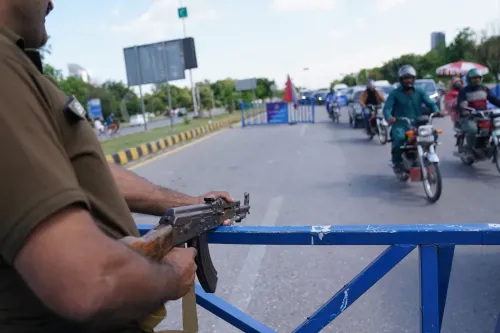
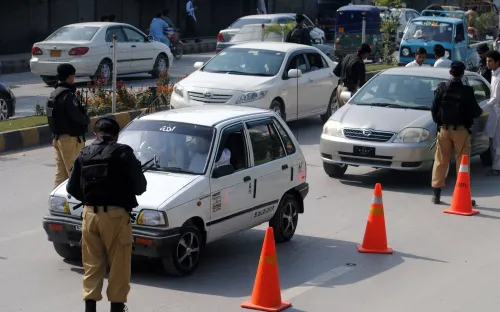
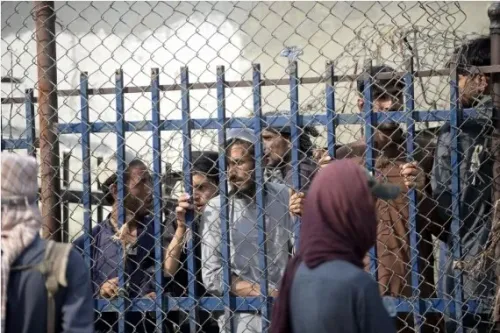
Their disappearance comes amid Pakistan's intensifying crackdown on undocumented Afghan nationals, including mass arrests and deportations.
Amnesty International has called on Pakistani authorities to urgently investigate the disappearance of Afghan journalist Sayed Qasim Hashemi and artist Hamed Ehsas, both of whom have been missing from Islamabad since 4 July 2026, and to inform their families of their whereabouts and condition.
What Amnesty International Said
In a formal statement, Amnesty International described the circumstances as raising 'concerns that they may have been subjected to enforced disappearance or arbitrary detention.' The rights group stated that Pakistani authorities have a legal obligation to investigate the case and disclose the men's fate to their families.
'Journalist Sayed Qasim Hashemi and artist Hamed Ehsas, both Afghan nationals who fled Afghanistan immediately after the Taliban takeover, fearing threats to their lives due to the nature of their work, have been missing since July 4 in Islamabad,' the organisation said.
How the Two Men Disappeared
According to their families, Hashemi and Ehsas left their homes together on 4 July to purchase camera lens equipment and did not return. Their vehicle was later traced via GPS to a location in Islamabad, but neither man was found in or near it. Family members have since approached both police and judicial authorities in Pakistan, reportedly receiving no clear information about the two men.
Pakistani police have refused to register cases regarding what families describe as an abduction, compounding the distress of those searching for the men.
Background: Afghan Refugees Without Legal Status
Both men had entered Pakistan with their families after the Taliban seized control of Afghanistan in 2021. According to their families, they were living in Pakistan without legal residency documentation at the time of their disappearance. Their cases come amid a broader and intensifying Pakistani government crackdown on undocumented foreign nationals — particularly Afghan nationals — that has included mass arrests and deportations in recent months.
Notably, Hashemi and Ehsas had originally fled Afghanistan because the nature of their work — journalism and the arts — made them targets under the Taliban regime. The enforced return or detention of such individuals could amount to a serious human rights violation under international law, critics argue.
What Happens Next
Amnesty International has not specified a deadline for Pakistani authorities to act, but the call carries the weight of international scrutiny at a time when Pakistan is already under pressure over its treatment of Afghan refugees. The families continue to urge authorities to provide any credible information about the two men's safety and location. The case is likely to attract further attention from international human rights bodies if Pakistani authorities do not respond.
Point of View
And individuals with journalism or arts backgrounds — already marked by the Taliban — face a double jeopardy. Amnesty's intervention raises the international stakes, but without domestic accountability mechanisms in Pakistan, the call risks remaining symbolic. The families' use of GPS to locate the vehicle is a rare, verifiable data point that Pakistani authorities cannot easily dismiss.
NationPress
13 Sept 2026
Frequently Asked Questions
Who are Sayed Qasim Hashemi and Hamed Ehsas?
Sayed Qasim Hashemi is an Afghan journalist and Hamed Ehsas is an Afghan artist, both of whom fled Afghanistan after the Taliban seized power in 2021. They had been living in Islamabad, Pakistan, without legal residency status, and have been missing since 4 July 2026.
What does Amnesty International allege happened to them?
Amnesty International says the circumstances raise serious concerns that the two men may have been subjected to enforced disappearance or arbitrary detention. The organisation has urged Pakistani authorities to investigate and disclose the men's whereabouts to their families.
Why have Pakistani police refused to act?
According to the families and Amnesty International, Pakistani police have refused to register cases regarding the alleged abduction, and judicial authorities have provided no clear information either. No official explanation for this refusal has been made public.
What is the broader context of this disappearance?
The case comes amid Pakistan's intensifying crackdown on undocumented Afghan nationals, which has included mass arrests and deportations. Both men were living in Pakistan without legal residency, making them vulnerable under the government's current enforcement posture.
What evidence do the families have about the disappearance?
The families said the two men left home together on 4 July to buy camera lens equipment and never returned. Their vehicle was later located in Islamabad through a GPS system, but neither Hashemi nor Ehsas was found in or near it. This is the only physical lead reported so far.