Are India’s Andaman Islands Key to US–India Maritime Strategy?
Synopsis
As the geopolitical landscape evolves, the Andaman and Nicobar Islands are gaining prominence in US–India maritime strategy, with experts urging for greater collaboration. This strategic location offers enhanced monitoring of vital sea routes, crucial for countering China's influence. Discover how these islands are shaping the future of maritime alliances.
Key Takeaways
Andaman and Nicobar Islands hold strategic value for US–India maritime collaboration.
Enhanced cooperation is essential to counteract China's growing influence.
India's naval operations have expanded significantly in recent years.
Maintaining free sea lanes is critical for global economic stability.
Intelligence sharing and defense partnerships are vital for enhancing security.
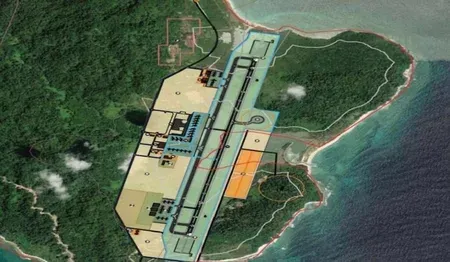
Washington, Dec 11 (NationPress) The Andaman and Nicobar Islands of India, strategically positioned at the mouth of the Strait of Malacca, are becoming an essential asset for US–India maritime collaboration, experts informed American legislators. During a session of the House Foreign Affairs Subcommittee on South and Central Asia, Jeff Smith from the Heritage Foundation emphasized the significance of these islands, stating they offer India unparalleled oversight of a crucial maritime chokepoint.
Smith expressed a desire for heightened US-Indian collaboration in the region, advocating for enhanced intelligence-sharing and surveillance integration. He highlighted that China has been deploying submarines into the Indian Ocean since approximately 2013–14, dismissing Beijing's assertions that these operations are merely anti-piracy missions as dubious. “It is well-known that a nuclear submarine is not necessary for anti-piracy operations near the Somali coast,” he remarked, noting that India's increasing sense of encirclement stems from border disputes, maritime encirclement, and partnerships between China and Pakistan.
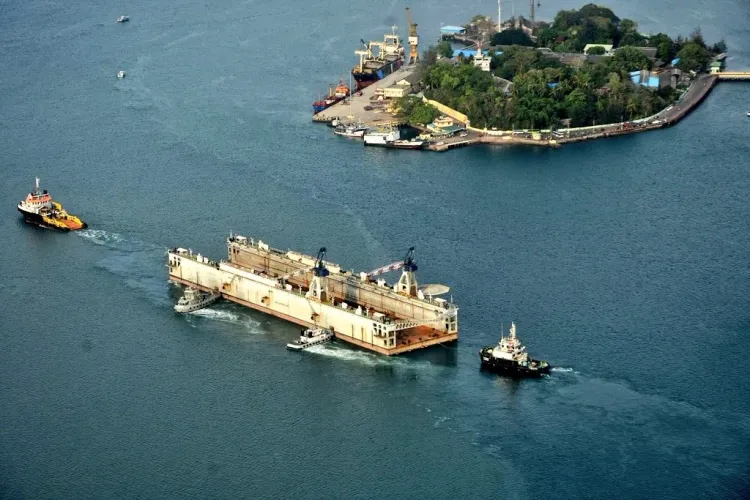
He further illustrated the escalating maritime tensions, stating, “While border disputes exist, the maritime rivalry is intensifying significantly. The US maintains a base in Diego Garcia, which has recently come under scrutiny. Access to Diego Garcia is vital, but on the opposite side of the Indian Ocean, India has a naval base at the mouth of the Strait of Malacca in the Andaman and Nicobar Islands.”
Smith affirmed, “This is indeed an invaluable asset for any nation, particularly for India. I hope for increased cooperation between the US and India in this area, as it allows both nations to oversee traffic entering and exiting the Indian Ocean from the Western Pacific.
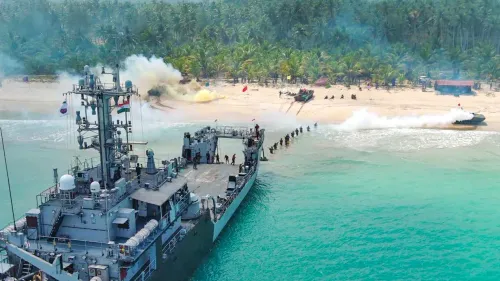
Dhruva Jaishankar elaborated on India's naval advancements, indicating that the Indian Navy has escalated its patrol operations, broadened humanitarian and anti-piracy missions, and enhanced joint exercises with partners in the Western Pacific, including nations like South Korea, Australia, Papua New Guinea, Fiji, and around Guam.
Witnesses contended that maritime collaboration is vital for countering China’s Indo-Pacific strategy. Committee Chairman Bill Huizenga cautioned that China’s “string of pearls” represents a deliberate effort to encircle and dominate the Indian Ocean, emphasizing that maintaining free sea lanes is essential for global economic stability.
Smith urged Congress to promote defense co-production, expedite export clearances, and bolster intelligence partnerships to enable both nations to track submarine movements and monitor Chinese naval operations.
The testimony underscored that the US perceives India as a maritime anchor capable of influencing the Indo-Pacific power dynamics, particularly as China amplifies its presence from Djibouti to the Western Pacific.
Point of View
I maintain that the strategic importance of the Andaman and Nicobar Islands in the context of US–India relations cannot be overstated. With escalating maritime threats from China, the collaboration between these two nations is essential for regional stability and security. The need for enhanced intelligence sharing and defense partnerships is critical in shaping the future of maritime strategies in the Indo-Pacific region.
NationPress
7 Oct 2026
Frequently Asked Questions
Why are the Andaman and Nicobar Islands strategically important?
The Andaman and Nicobar Islands are strategically located at the mouth of the Strait of Malacca, providing crucial oversight over important maritime routes, making them vital for US-India maritime collaboration.
What role does the US see for India in the Indo-Pacific?
The US views India as a maritime anchor capable of influencing the balance of power in the Indo-Pacific, especially in light of China's increasing presence in the region.
How has China's maritime strategy affected India?
China's expansion in the Indian Ocean through submarine deployments and partnerships with neighboring countries has heightened India's security concerns and feelings of encirclement.
What measures are proposed to enhance US-India cooperation?
Experts recommend increased intelligence-sharing, surveillance integration, and defense co-production to strengthen maritime cooperation between the US and India.
What is the significance of the 'string of pearls' strategy?
China's 'string of pearls' strategy refers to its network of maritime bases and partnerships in the Indian Ocean, which aims to encircle and control key sea lanes, impacting regional security.