Anti-Colonial Alliance launched in Frankfurt to challenge Pakistan's political domination
Synopsis
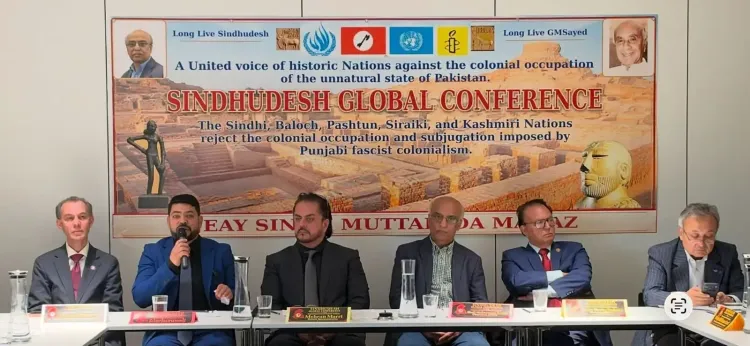
Activists from Sindh, Balochistan, Pashtun, Kashmiri, Saraiki, and Gilgiti communities gathered in Frankfurt to launch the International Anti-Colonial Alliance — a new diplomatic front led by Baloch nationalist Mehran Marri. The alliance aims to consolidate long-fragmented separatist and rights movements into a unified push at international institutions, targeting what participants call Pakistan's Punjabi-dominated political order.
Key Takeaways
The International Anti-Colonial Alliance was formally launched at the Sindhudesh Global Conference in Frankfurt, Germany on 15 November 2026 .
The alliance is led by Baloch nationalist leader Mehran Marri and was organised by the Jeay Sindh Muttahida Mahaz (JSMM) .
JSMM Chairman Shafi Burfat called on the United Nations to supervise a referendum on Sindhudesh independence.
Participants alleged extrajudicial killings, enforced disappearances, and military repression targeting Baloch activists.
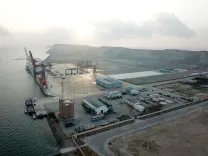
The China-Pakistan Economic Corridor (CPEC) and Gwadar Port were criticised over alleged displacement and inadequate community consultation.
Marri contested the legitimacy of Balochistan's incorporation into Pakistan in 1948 , calling it historical coercion rather than democratic consent.
Political activists and representatives of multiple national movements gathered in Frankfurt, Germany on 15 November 2026 to announce the formation of the International Anti-Colonial Alliance, a coordinating body aimed at challenging what participants described as political domination, human rights violations, and economic exploitation in Pakistan. The conference, organised by the Jeay Sindh Muttahida Mahaz (JSMM), brought together voices from communities that have long accused the Pakistani state of marginalisation.
Who Attended and What Was Decided
The Sindhudesh Global Conference saw participation from representatives of the Sindh, Pashtun, Baloch, Kashmiri, Saraiki, and Gilgiti communities, alongside international human rights campaigners, according to reports citing Greece-based outlet Directus. The gathering called for national self-determination, political sovereignty, and greater international involvement in addressing community grievances inside Pakistan.
The newly established alliance will be led by prominent Baloch nationalist leader Mehran Marri. Its stated mandate includes coordinating diplomatic campaigns, strengthening cooperation between nationalist movements, and raising their demands before international institutions.
Key Demands Raised at the Conference
JSMM Chairman Shafi Burfat urged the United Nations to organise and supervise a referendum on Sindhudesh's independence, stressing that the Sindhi community must be given the opportunity to determine its own political future free from coercion or interference.
Mehran Marri questioned the legitimacy of Balochistan's incorporation into Pakistan in 1948, arguing that historical coercion cannot be equated with democratic consent. He also alleged that extrajudicial killings, enforced disappearances, and military repression continue to affect Baloch political activists, according to the Directus report.
CPEC and Gwadar Under Scrutiny
Conference participants also turned their attention to the China-Pakistan Economic Corridor (CPEC) and Gwadar Port, alleging that the projects have led to displacement of local residents and have been pursued without adequate consultation with affected communities. Concerns were also raised over security conditions in Pashtun territories, allegations of arbitrary detention, and the reported use of landmines in residential areas.
Broader Political Context
Participants contended that political power in Pakistan remains concentrated within a Punjabi-dominated establishment, leaving other ethnic and regional communities politically marginalised and economically disadvantaged. This narrative has been a consistent thread in diaspora-led activism for several decades, though Pakistan's government has historically rejected such characterisations.
The launch of the International Anti-Colonial Alliance represents an attempt to consolidate what have until now been disparate nationalist movements into a single diplomatic front, with the expressed goal of drawing sustained international attention to their grievances. Whether the alliance can translate conference momentum into meaningful engagement at institutions such as the UN Human Rights Council remains to be seen.
Point of View
Sindhi, Pashtun, and Kashmiri grievances under a single anti-colonial rubric, borrowing the language of post-colonial international law to claim legitimacy before bodies like the UN Human Rights Council. Pakistan has consistently dismissed such movements as foreign-backed destabilisation, and the alliance's ability to secure formal international interlocution will be its real test. The CPEC critique is particularly pointed: it widens the frame from domestic repression to Chinese economic complicity, potentially drawing scrutiny from Western governments already wary of Beijing's infrastructure footprint.
NationPress
15 Nov 2026
Frequently Asked Questions
What is the International Anti-Colonial Alliance launched in Frankfurt?
The International Anti-Colonial Alliance is a newly formed coalition of political activists and nationalist movements from Pakistan's Sindh, Balochistan, Pashtun, Kashmiri, Saraiki, and Gilgiti communities, launched at the Sindhudesh Global Conference in Frankfurt, Germany on 15 November 2026. It aims to coordinate diplomatic campaigns and raise grievances about political domination and human rights violations in Pakistan at international institutions.
Who is leading the International Anti-Colonial Alliance?
The alliance is being led by prominent Baloch nationalist leader Mehran Marri. The conference itself was organised by the Jeay Sindh Muttahida Mahaz (JSMM), whose chairman is Shafi Burfat.
What demands did participants make at the Frankfurt conference?
Participants called for national self-determination, political sovereignty for marginalised communities, and greater international involvement in addressing their grievances. JSMM Chairman Shafi Burfat specifically urged the United Nations to organise a referendum on Sindhudesh independence.
Why was CPEC criticised at the Sindhudesh Global Conference?
Conference participants alleged that the China-Pakistan Economic Corridor (CPEC) and Gwadar Port have caused displacement of local residents and were developed without adequate consultation with affected communities. Critics argue that the economic benefits have not reached the local populations of the regions involved.
What is the significance of Mehran Marri's remarks on Balochistan's 1948 accession?
Mehran Marri questioned whether Balochistan's incorporation into Pakistan in 1948 constituted genuine democratic consent, arguing it was achieved through historical coercion. This is a long-standing argument among Baloch nationalists, used to contest the legitimacy of Pakistani sovereignty over the region before international forums.