Uttarakhand CMO marks 12 years of Garib Kalyan with Antyodaya push
Synopsis
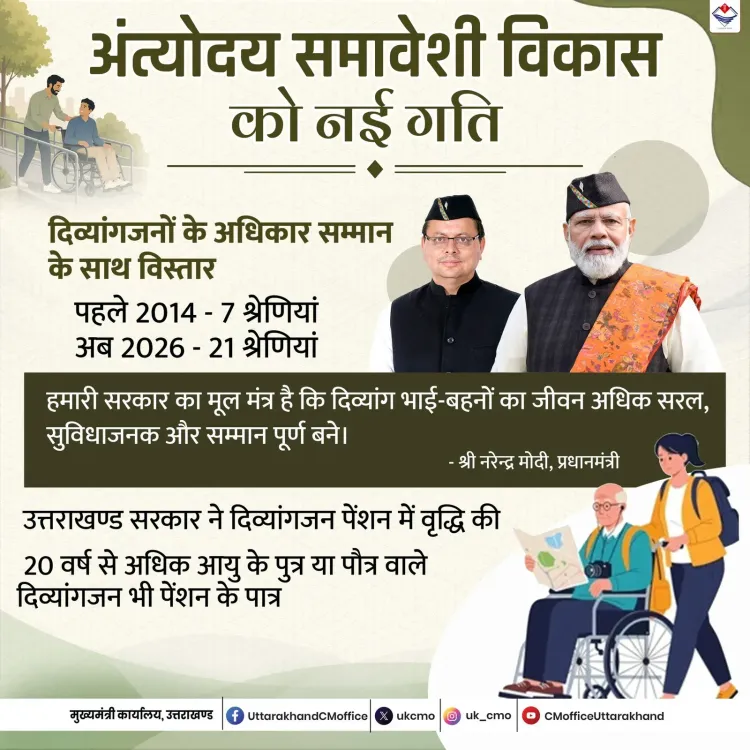
The Uttarakhand Chief Minister's Office marked 12 years of Garib Kalyan on June 9, 2026, invoking the Antyodaya philosophy to signal renewed momentum in inclusive, last-mile welfare delivery for the state's poorest citizens.
Key Takeaways
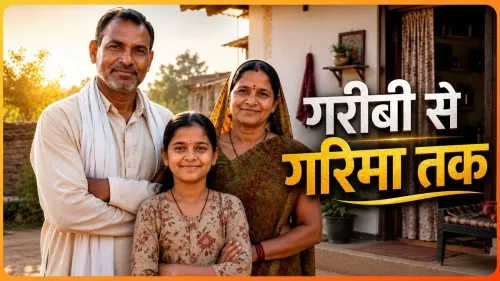
The Uttarakhand CMO posted on June 9, 2026 , marking #12YearsofGaribKalyan with an Antyodaya-themed message.
The Hindi phrase Antyodaya samaveshi vikas ko nayi gati translates to 'Antyodaya gives new momentum to inclusive development.' Antyodaya is rooted in Deendayal Upadhyaya's philosophy of placing the welfare of the poorest at the centre of governance.
The Antyodaya Anna Yojana , launched in 2000 , and the PM Garib Kalyan Anna Yojana , expanded in 2020 , form the policy backbone of this framework.
Uttarakhand's messaging continues the BJP's pattern of linking state-level welfare delivery to centrally branded pro-poor schemes.
The Chief Minister's Office of Uttarakhand on Tuesday, June 9, 2026, highlighted the state's commitment to inclusive development under the Antyodaya framework, marking the occasion of #12YearsofGaribKalyan with a message calling for renewed momentum in reaching the poorest households.
Context
The CMO's post, shared in Hindi, reads: 'Antyodaya samaveshi vikas ko nayi gati' — 'Antyodaya gives new momentum to inclusive development.' The message was accompanied by a hashtag commemorating twelve years of the Garib Kalyan welfare umbrella, signalling Uttarakhand's alignment with the broader national pro-poor policy narrative. The brevity of the post is deliberate — it invokes two ideologically loaded terms, Antyodaya and Garib Kalyan, both central to the BJP's welfare communication strategy.Policy Backdrop
The term Antyodaya — meaning 'rise of the last person' — originates with Deendayal Upadhyaya, the RSS-BJP ideologue whose philosophy of integral humanism placed the welfare of the poorest at the centre of governance. It was institutionalised in welfare policy through the Antyodaya Anna Yojana, launched in 2000, which provides heavily subsidised foodgrains to the most destitute families. Two decades later, the Pradhan Mantri Garib Kalyan Anna Yojana, expanded significantly in 2020, built upon this architecture to extend free grain to a far larger population during and after the pandemic. The #12YearsofGaribKalyan hashtag marks what the BJP frames as a decade-plus continuum of scheme-based welfare delivery since 2014, though the precise milestone date cited in the hashtag is part of the ruling party's political communication and not independently verified.Stakeholders and Impact
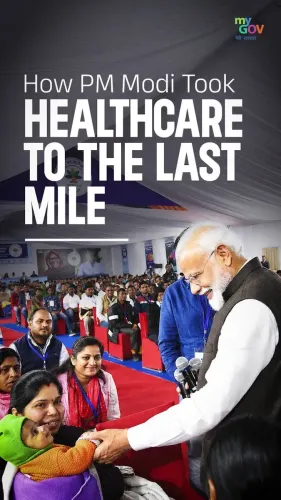
Uttarakhand, a Himalayan state governed by the BJP, has consistently aligned its state-level welfare messaging with central government schemes. The primary beneficiaries of Antyodaya and Garib Kalyan programmes are rural and economically marginalised households, including those in the state's hill districts where access to welfare infrastructure has historically been uneven. By invoking Antyodaya specifically, the CMO signals a focus not merely on broad poverty alleviation but on the most excluded segment — the 'last mile' beneficiary. Direct benefit transfers, subsidised foodgrains, and housing schemes are the principal instruments through which this philosophy is operationalised at the state level.What's Next
Policy watchers will track whether this communication is followed by concrete announcements — such as revised state budget allocations toward Antyodaya-linked programmes, district-level scheme saturation drives, or new memoranda of understanding with central ministries. The post arrives at a moment when BJP-governed states are expected to amplify Garib Kalyan messaging ahead of potential legislative and political cycles. If Uttarakhand follows through with programme-level announcements, this post may mark the opening of a broader welfare-communication campaign rather than a standalone statement.Point of View
Garib Kalyan — to simultaneously affirm local governance credentials and align with the national party narrative. By invoking a 12-year milestone, the communication frames welfare delivery as a long-arc achievement rather than a single-term policy. The absence of specific data or new programme announcements suggests this is primarily a political-communication moment, positioning the state government ahead of potential electoral or budgetary cycles. Analysts will watch whether substantive policy action follows, or whether the post remains within the realm of aspirational branding.
NationPress
23 Oct 2026
Frequently Asked Questions
What is Antyodaya and why is Uttarakhand promoting it?
Antyodaya means 'rise of the last person' and refers to a governance philosophy focused on the poorest households, rooted in the ideas of Deendayal Upadhyaya . Uttarakhand's CMO invoked it on June 9, 2026 , to mark 12 years of the Garib Kalyan welfare umbrella and reaffirm the state's commitment to last-mile welfare delivery.
What is the Garib Kalyan scheme?
Garib Kalyan is an umbrella branding for pro-poor government initiatives including subsidised food, housing, and direct transfers. The Pradhan Mantri Garib Kalyan Anna Yojana , significantly expanded in 2020 , is its most prominent component, providing free foodgrains to a large section of the population.
What is the Antyodaya Anna Yojana?
The Antyodaya Anna Yojana was launched in 2000 to provide heavily subsidised foodgrains to the most destitute families in India. It remains a key instrument of last-mile food security and is frequently cited in Antyodaya-themed policy communications.
Why does Uttarakhand align its welfare messaging with central government schemes?
Uttarakhand is a BJP-governed state, and its administration regularly aligns messaging with centrally branded programmes like Garib Kalyan to reinforce political continuity between state and central governance, and to highlight local implementation of national welfare architecture.
What should we watch for after this Uttarakhand CMO post?
Observers will monitor whether the post is followed by concrete announcements such as new state budget allocations for Antyodaya-linked programmes, district-level scheme saturation drives, or fresh agreements with central ministries — which would indicate a policy push beyond political communication.