Arab League chief warns of health crisis in Yemen's Taiz over aid blockade
Synopsis
Arab League Secretary-General Nabil Fahmy has warned that Yemen's Taiz province is on the edge of a medical catastrophe — with hospitals running out of fuel, oxygen, and medicines, and incubators for newborns at risk. He has directly blamed the Houthis for the blockade, as separate airstrikes near Sanaa killed at least 11 civilians, adding fresh urgency to an already dire situation.
Key Takeaways
Arab League Secretary-General Nabil Fahmy on 12 November 2026 warned of a looming health and humanitarian crisis in Yemen's Taiz province .
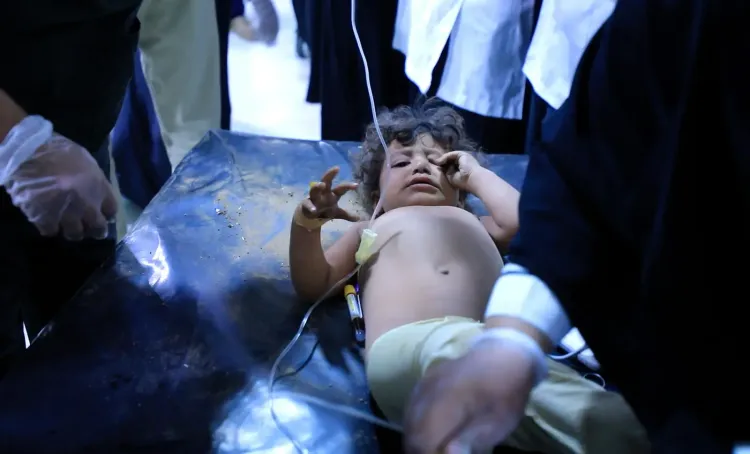
Hospitals in Taiz face critical shortages of fuel, oxygen, medicines , and medical supplies, with incubators for premature and newborn babies under threat.
Fahmy held the Houthis responsible for the blockade and called for immediate lifting of restrictions on aid and safe passage for patients and medical staff.
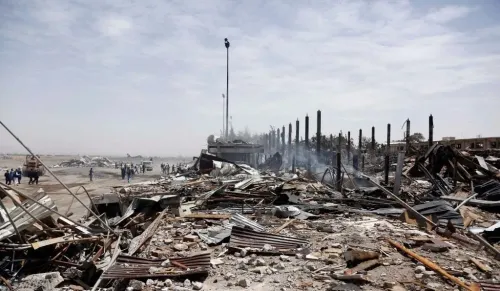
At least 11 people were killed in airstrikes on Ash Sharyah village near Sanaa , with women and children among the dead, according to al-Masirah TV, which blamed Saudi warplanes.
The strikes destroyed five residential houses in Bani Hushaysh district ; the death toll was described as preliminary pending ongoing search operations.
Yemen has been in conflict since 2015 , producing one of the world's worst ongoing humanitarian crises.
Arab League Secretary-General Nabil Fahmy on Thursday, 12 November 2026, issued a stark warning over a looming health and humanitarian catastrophe in Yemen's southwestern Taiz province, citing severe shortages of fuel, oxygen, medicines, and medical supplies at hospitals. Fahmy's statement underscores the mounting toll of years of conflict on Yemen's already-decimated healthcare infrastructure.
Critical Shortages Threatening Hospitals
Fahmy expressed deep alarm over the deteriorating situation inside Taiz's medical facilities, warning that the shortages threaten to disrupt essential services — most critically, incubators for premature and newborn babies. He cautioned that continued obstruction of vital supplies could trigger a full-blown humanitarian disaster, putting children and other vulnerable patients at immediate risk.
'Depriving civilians of medical care and humanitarian assistance is unacceptable,' Fahmy said, stressing that 'saving lives should not be delayed or subjected to political or military considerations.'
Fahmy Holds Houthis Responsible
The Arab League chief directly held the Houthis responsible for the humanitarian consequences of the continued restrictions. He called for independent investigations and accountability, while urging humanitarian organisations and all relevant parties to take urgent action to secure hospital supplies and ensure safe, sustained, and unhindered delivery of aid. He also demanded immediate lifting of restrictions on humanitarian assistance to Taiz and safe passage for patients and medical personnel.
Deadly Airstrikes Near Sanaa Add to the Toll
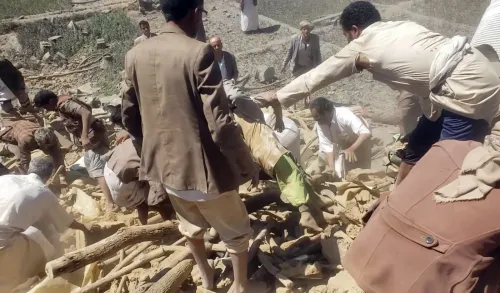
The warnings came as fresh violence struck elsewhere in the country. At least 11 people were killed on Saturday in airstrikes on a village near Yemen's capital Sanaa, according to Houthi-run al-Masirah TV, which blamed Saudi warplanes for the attacks. Women and children were reportedly among the dead.
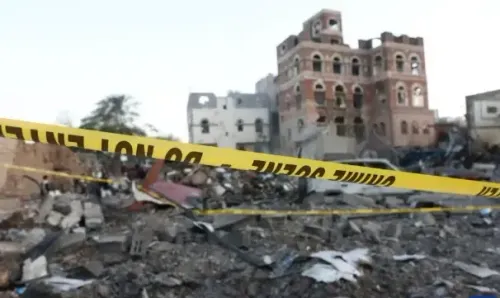
The strikes destroyed five residential houses in Ash Sharyah village in Bani Hushaysh district, east of Sanaa. The head of the district's health office, according to al-Masirah, confirmed that rescue teams recovered 11 bodies from the rubble, with the death toll described as preliminary as search and recovery operations continued.
The channel also reported that Saudi warplanes launched two additional airstrikes targeting rescue workers and struck roads leading to the village, while military aircraft continued to fly over the area. Saudi authorities had not issued an independent statement on the strikes at the time of reporting.
A Crisis Years in the Making
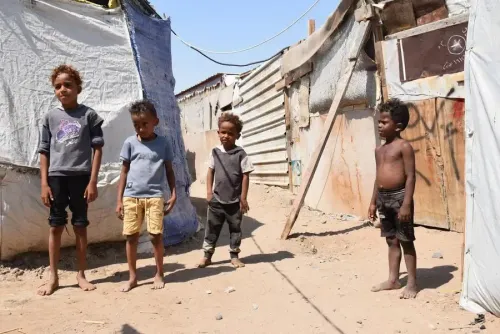
Yemen has been mired in conflict since 2015, when a Saudi-led coalition intervened against the Houthis following their takeover of the capital. The war has since produced one of the world's worst humanitarian crises, with the United Nations consistently warning of famine-level conditions and near-total collapse of public services. Taiz, long a flashpoint, has endured years of siege-like conditions that have severely restricted the movement of people and goods. This latest warning from the Arab League reflects a pattern of repeated calls that have thus far yielded little sustained relief.
What Happens Next
The Arab League has called on all parties and international humanitarian bodies to act without delay to prevent a collapse of medical services in Taiz. Whether these appeals translate into ground-level access remains uncertain — previous international calls for humanitarian corridors in the city have largely gone unheeded. With newborn lives reportedly hanging in the balance, the pressure on all parties to allow unimpeded aid access is intensifying.
Point of View
Not merely calling on 'all parties.' Yet the Arab League has issued similar appeals over Taiz for years without securing sustained humanitarian access, raising the question of whether this warning carries any new diplomatic weight. The simultaneous reporting of deadly airstrikes near Sanaa — blamed on Saudi warplanes by Houthi media — illustrates the fundamental contradiction at the heart of Yemen's crisis: international bodies call for humanitarian pauses while all sides continue military operations. With incubators for newborns reportedly at risk, the gap between diplomatic language and ground reality in Yemen has rarely looked starker.
NationPress
12 Nov 2026
Frequently Asked Questions
What is the health crisis in Yemen's Taiz province?
Hospitals in Taiz face critical shortages of fuel, oxygen, medicines, and medical supplies, threatening to disrupt essential services including incubators for premature and newborn babies. Arab League Secretary-General Nabil Fahmy warned on 12 November 2026 that continued obstruction could trigger a full humanitarian disaster.
Who is responsible for the blockade in Taiz, according to the Arab League?
The Arab League's Nabil Fahmy directly held the Houthis responsible for the humanitarian consequences of restrictions on aid delivery to Taiz. He called for independent investigations and accountability, and demanded the immediate lifting of restrictions on humanitarian assistance and safe passage for patients and medical personnel.
What happened in the airstrikes near Sanaa?
At least 11 people were killed on Saturday in airstrikes on Ash Sharyah village in Bani Hushaysh district, east of Sanaa, according to Houthi-run al-Masirah TV, which blamed Saudi warplanes. Five residential houses were destroyed, with women and children among the dead; the toll was described as preliminary.
Why has Yemen's humanitarian situation remained unresolved for so long?
Yemen has been in conflict since 2015, when a Saudi-led coalition intervened against the Houthis. The protracted war has dismantled public services and triggered one of the world's worst humanitarian crises, with Taiz enduring repeated siege-like conditions that restrict the movement of people, aid, and medical supplies.
What has the Arab League called for in response?
The Arab League has called for the immediate lifting of restrictions on aid delivery to Taiz, safe passage for patients and medical staff, and urgent action by humanitarian organisations to secure hospital supplies. Fahmy also urged investigations and accountability for those obstructing humanitarian access.