Yemen fighting: Missiles, airstrikes kill 6 across Lahj and Taiz fronts
Synopsis
On 3 November, Yemen's Taiz-Lahj front erupted with ballistic missile strikes on a public market, Saudi airstrikes on a factory and residential area, and at least six deaths — all as Houthi forces inch closer to the routes leading into Aden, the government's own interim capital, raising the stakes of an already decade-long war.
Key Takeaways
At least six people were killed and more than 23 wounded across Lahj and Taiz provinces on 3 November .
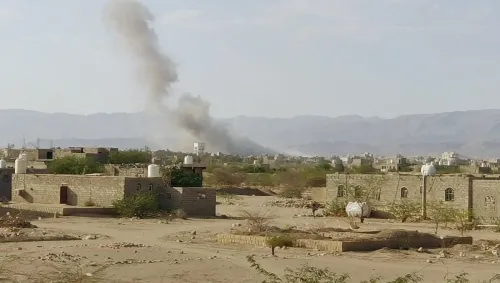
Two Houthi ballistic missiles struck a public market in government-controlled Lahj , killing 1 and wounding 10 .
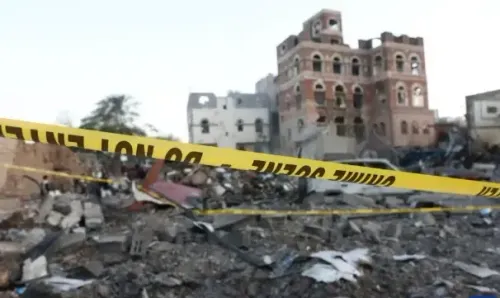
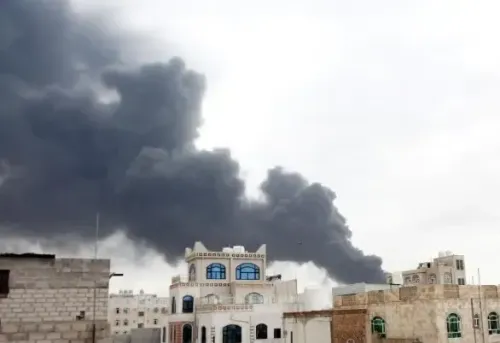
An airstrike on a plastic footwear factory north of Taiz city , attributed to Saudi warplanes by al-Masirah TV, killed 3 and wounded 8 .
A further airstrike on Ash Shamayatayn district , southern Taiz, killed 2 — including a woman — and injured 5 .
Houthi forces have advanced through Al-Maqatirah district toward Tur al-Bahah , threatening routes into Aden .
Houthi spokesman Yahya Sarea denied any cross-border strikes on Saudi Arabia , including allegations of targeting Mecca .
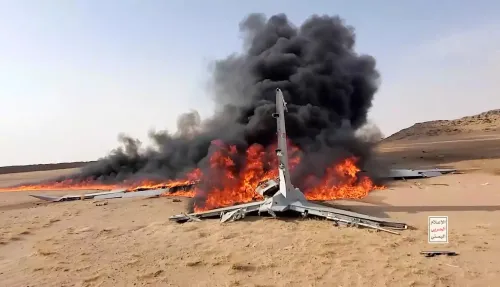
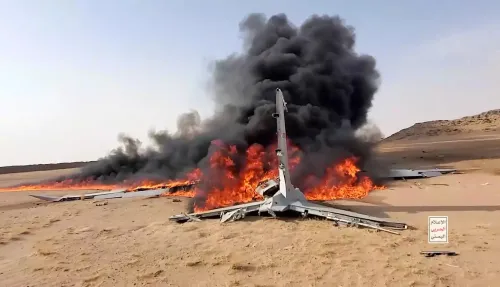
Fierce fighting and aerial strikes intensified on Tuesday, 3 November along a volatile belt stretching toward the southern Yemeni port city of Aden, leaving at least six people dead and more than 23 wounded across the southern Lahj and southwestern Taiz provinces, according to military and Houthi media sources.
Key Developments
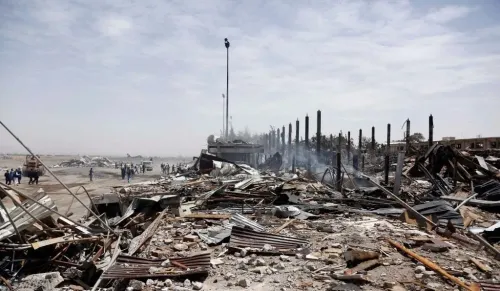
A military official with Yemen's internationally recognised government forces, speaking on condition of anonymity, said two Houthi ballistic missiles struck a public market in the government-controlled district of Lahj on Tuesday, killing one person and wounding 10 others.
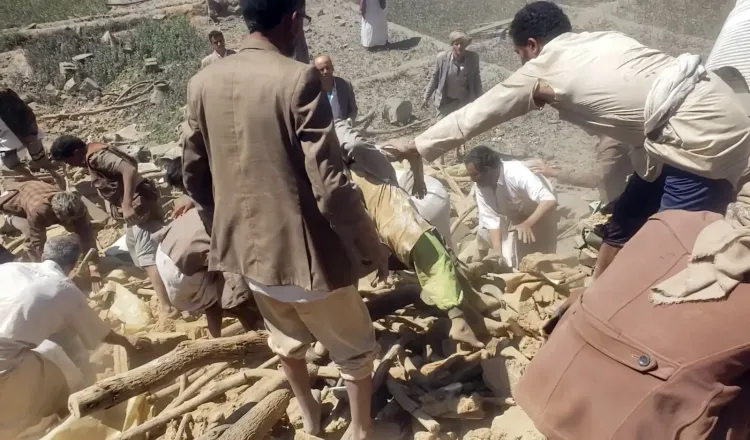
Separately, Houthi-run al-Masirah TV reported that an airstrike hit a plastic footwear factory located north of Taiz city, killing three people and wounding eight others. The channel attributed the strike to Saudi warplanes and said civil defence teams were battling a fire at the site. In a further incident also reported by al-Masirah, two people — including a woman — were killed and five others injured in an airstrike on the Ash Shamayatayn district in southern Taiz.
The Taiz-Lahj Front
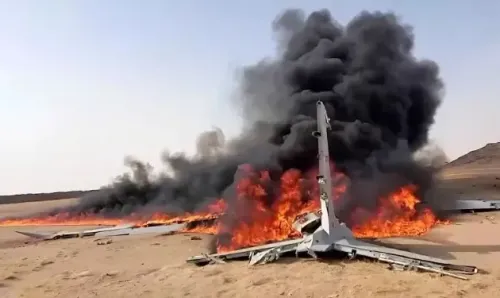
The day's strikes coincided with intensifying ground combat along the Taiz-Lahj front, where Houthi forces have recently advanced through the mountainous Al-Maqatirah district in Taiz toward Tur al-Bahah, a government-held district on supply routes leading to Aden. Government forces, supported by the Saudi-led coalition, have been attempting to halt that advance as the conflict widens on multiple fronts — combining ground battles with cross-border missile and drone strikes.
Houthis Deny Mecca Attack Allegations
Houthi military spokesman Yahya Sarea said in a post on social media platform X that the group's forces 'did not carry out any operation toward Saudi territory today,' categorically rejecting claims that it had targeted the holy city of Mecca amid heightened cross-border tensions.
Conflict Background
Yemen has been mired in civil war since late 2014, when the Houthis seized the capital Sanaa and much of northern Yemen, prompting the Saudi-led coalition to intervene militarily in 2015 in support of the internationally recognised government. The current multi-front escalation marks one of the more intense periods of fighting along the southern axis, raising fresh concerns about the security of Aden — the government's interim seat of power.
With positions shifting in Al-Maqatirah and no ceasefire in sight, the humanitarian and military situation along Yemen's southern corridor is expected to remain critical in the days ahead.
Point of View
The internationally recognised government's base. If that corridor narrows further, the government's position becomes untenable in ways that diplomatic communiqués have consistently understated. The denial of any strike on Mecca is also worth watching — contested allegations of attacks on holy sites carry escalatory potential far beyond the battlefield, and both sides have incentives to shape that narrative carefully.
NationPress
3 Nov 2026
Frequently Asked Questions
What happened in Yemen's Lahj and Taiz provinces on 3 November?
At least six people were killed and more than 23 wounded in a series of missile strikes and airstrikes across Lahj and Taiz on 3 November. Incidents included a Houthi ballistic missile attack on a public market in Lahj and airstrikes on a footwear factory and a residential district in Taiz, attributed to Saudi warplanes by Houthi media.
Why is the Taiz-Lahj front strategically important?
The Taiz-Lahj front sits on the main overland routes leading to Aden, the interim seat of Yemen's internationally recognised government. Houthi advances through the Al-Maqatirah district toward Tur al-Bahah risk cutting those supply lines, which could significantly weaken the government's hold on the south.
Did the Houthis attack Saudi Arabia or Mecca on 3 November?
The Houthis denied launching any strikes on Saudi territory that day. Houthi military spokesman Yahya Sarea posted on X that the group 'did not carry out any operation toward Saudi territory today,' specifically rejecting allegations of targeting the holy city of Mecca.
How long has the Yemen conflict been going on?
Yemen has been at war since late 2014, when the Houthis seized the capital Sanaa and much of northern Yemen. The Saudi-led coalition intervened militarily in 2015 in support of the internationally recognised government, and fighting has continued across multiple fronts since then.
Who controls Aden and why does it matter?
Aden serves as the interim capital of Yemen's internationally recognised government. As Houthi forces advance along the Taiz-Lahj axis, Aden's security is increasingly at risk, making it a focal point of both military strategy and international diplomatic concern.