Trump urges tech firms to pay residents $10,000–$15,000 for data centres
Synopsis
At a South Carolina midterm rally, Trump floated a striking — and undetailed — idea: make tech companies pay local residents $10,000 to $15,000 for hosting data centres. No federal mechanism was proposed, but the pitch signals how AI infrastructure politics could become a live electoral issue heading into the November 3 midterms.
Key Takeaways
Donald Trump proposed at a rally in Pendleton, South Carolina on 22 October 2026 that tech companies pay residents $10,000–$15,000 for hosting data centres.
No federal programme, eligibility framework, or enforcement mechanism was outlined to back the proposal.
Trump tied data centre expansion to maintaining US dominance over China in artificial intelligence.
The rally was a midterm campaign event; Trump called on voters to support Republican Senate candidate Darline Graham and deliver Republican majorities in both chambers.
Trump warned that Republican losses in the November 3 midterms could undo his tax and border policies.
South Carolina has voted Republican in presidential elections in 2016 , 2020 , and 2024 .
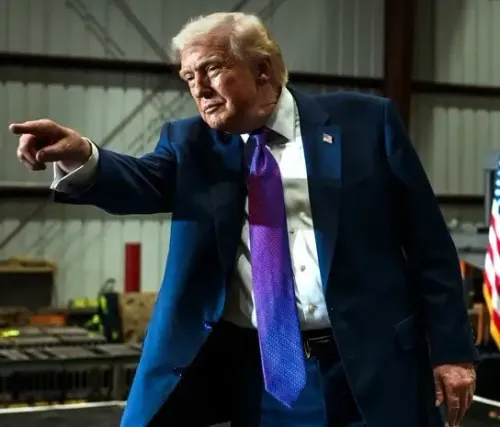
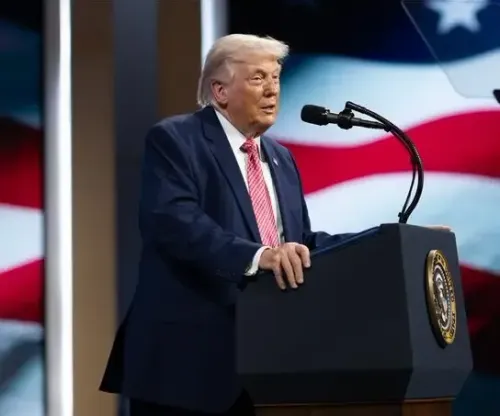
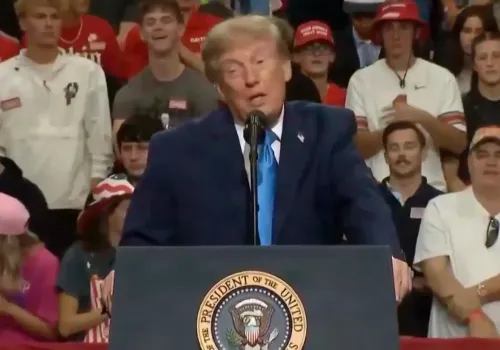
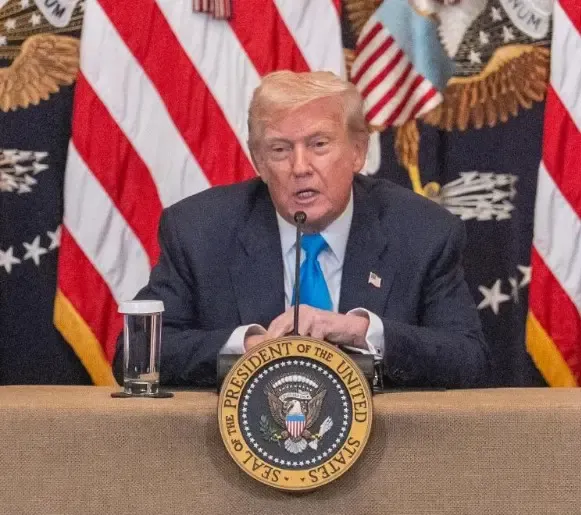
US President Donald Trump on Wednesday, 22 October 2026 urged technology companies to pay local residents between $10,000 and $15,000 for hosting data centres, blending a pitch for artificial intelligence investment with a call for Republicans to win the upcoming November 3 midterm elections. The remarks were made at a campaign rally in Pendleton, South Carolina.
What Trump Proposed
Speaking to South Carolina Governor Henry McMaster, Trump floated the idea of direct payments to residents as a strategy to overcome local community opposition to data centre construction. 'Ask for money. Henry, tell them that they have to pay the people $10,000, $15,000. They got plenty of money,' Trump said, addressing McMaster directly from the stage.
Crucially, Trump did not outline any federal programme, eligibility criteria, or legal mechanism that would require technology companies to make such payments. He cited unspecified examples of payments he claimed had previously won public support for data centres elsewhere, but did not name the companies involved or provide verifiable details.
AI and China Competition
The data centre payment idea was woven into a broader argument that the United States must maintain its lead over China in artificial intelligence, which Trump repeatedly described as 'super intelligence.' He also credited tariffs with encouraging companies to build factories domestically and argued that US production of steel and pharmaceuticals was strategically essential — particularly in the event that overseas supply chains were disrupted during a conflict.
Midterm Election Push
Trump framed the November 3 midterms as a personal referendum on his presidency, despite his name not appearing on the ballot. 'In this election, I'm asking you to pretend I'm on the ballot,' he told the crowd, warning that Republican losses could put his administration's tax and border policies at risk. 'And it can go away as fast as it came, so please go out and vote,' he added.
Trump campaigned explicitly for Republican Senate candidate Darline Graham and called on voters to deliver Republican majorities in both the House and Senate. He praised Graham alongside McMaster and Republican senators Tim Scott, John Barrasso, and Bernie Moreno. He attacked Graham's Democratic opponent, Annie Andrews, over transgender healthcare and gun policy, and called for her medical licence to be revoked — though he did not establish legal grounds for either action.
Foreign Policy Remarks
On foreign policy, Trump declared that Iran would never be permitted to acquire a nuclear weapon, claiming American military operations had destroyed Iran's nuclear enrichment capacity. He suggested US involvement in the matter would wind down soon but offered no specific timetable. 'We could leave now, but we want to make sure it lasts for a long time,' he said.
Context: Why South Carolina
South Carolina has been a reliable Republican stronghold in presidential contests — Trump carried the state in 2016, 2020, and 2024. Midterm elections, held halfway through a president's four-year term, put all 435 House seats and roughly one-third of Senate seats in play, making their outcome pivotal for a sitting president's legislative agenda. Protesters interrupted Trump's speech multiple times; he praised the law enforcement response each time.
Point of View
No eligibility rules, no named companies. Yet it shrewdly taps a real tension: communities that bear the infrastructure burden of the AI boom while capturing little of its economic upside. If the idea gains traction, it could force tech giants into awkward public positioning ahead of the midterms. The more telling subtext is Trump's framing of AI dominance over China as a national security imperative — a frame that could shape bipartisan data infrastructure policy long after the rally cycle ends.
NationPress
22 Oct 2026
Frequently Asked Questions
What did Trump propose about data centre payments?
Trump urged technology companies to pay local residents between $10,000 and $15,000 for hosting data centres, arguing the payments would reduce community opposition. He made the suggestion at a rally in Pendleton, South Carolina on 22 October 2026, but did not outline any federal programme, eligibility rules, or legal mechanism to enforce such payments.
Why did Trump hold a rally in South Carolina?
Trump was campaigning ahead of the November 3 midterm elections, urging supporters to elect Republican majorities in the House and Senate. He appeared specifically on behalf of Republican Senate candidate Darline Graham and praised Governor Henry McMaster alongside senators Tim Scott, John Barrasso, and Bernie Moreno.
How does the data centre idea connect to Trump's AI policy?
Trump presented data centres as critical infrastructure for maintaining US leadership over China in artificial intelligence, which he repeatedly called 'super intelligence.' The payment proposal was framed as a way to build public support for the facilities needed to power the AI buildout.
What did Trump say about Iran at the rally?
Trump declared Iran would never be allowed to acquire a nuclear weapon and claimed US military operations had destroyed Iran's nuclear enrichment capacity. He said American involvement would end soon but provided no specific timetable or supporting evidence for his claims.
What is at stake in the November 2026 midterm elections?
All 435 seats in the House of Representatives and roughly one-third of Senate seats are contested in the midterms. Trump warned that Republican losses could jeopardise his administration's tax and border policies, framing the vote as a direct test of support for his presidency.