Trump touts US economic, AI dominance at Miami rally ahead of November midterms
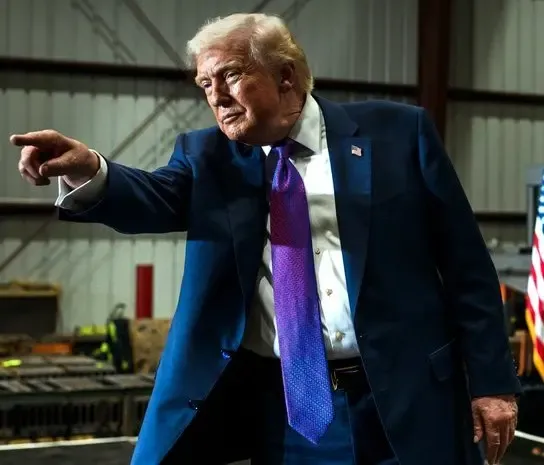
Synopsis
With the November 3 midterms three weeks out, Trump used a Miami fundraiser to make sweeping claims — $21 trillion in committed investment, a US lead in the superintelligence race over China, and an Iran conflict nearly won. Several assertions were unverified. The speech underscores how heavily Republicans are betting on Trump's personal narrative as the party's midterm anchor.
Key Takeaways
President Donald Trump addressed a Republican fundraiser in Miami on 17 October 2026 , weeks before the November 3 midterm elections .
Trump claimed $21 trillion had been invested or committed for US investment — a figure not independently substantiated.
He asserted the US is leading China in the race for superintelligence ( SI ), saying no third country is competing at the same level.
Trump predicted an imminent end to the conflict with Iran and a sharp fall in oil prices thereafter; battlefield claims were not independently verified.
He attacked a Democratic Senate candidate in Michigan and backed Republican Mike Rogers , making unsubstantiated allegations about his opponent.
The November 3 vote will decide control of Congress for the remainder of Trump's presidential term.
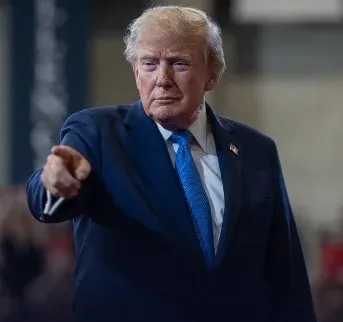
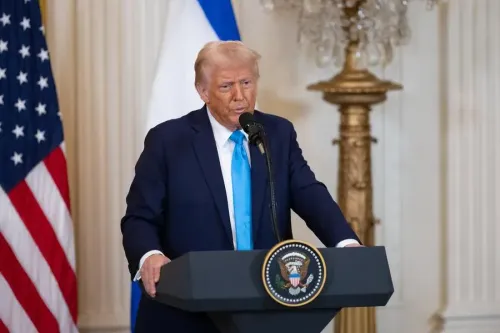
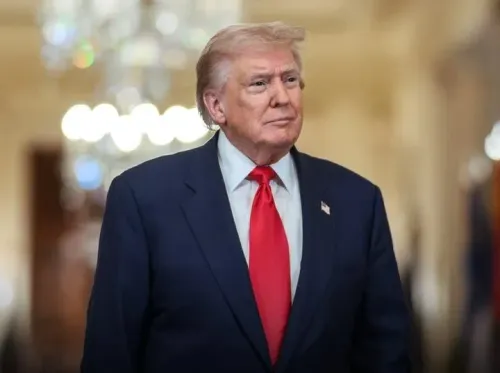
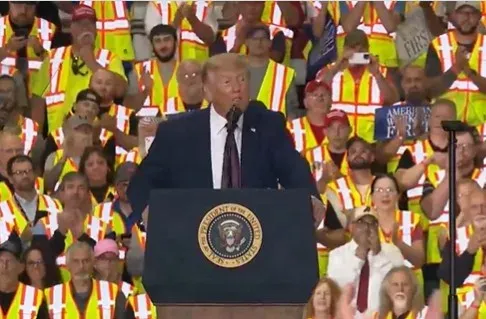
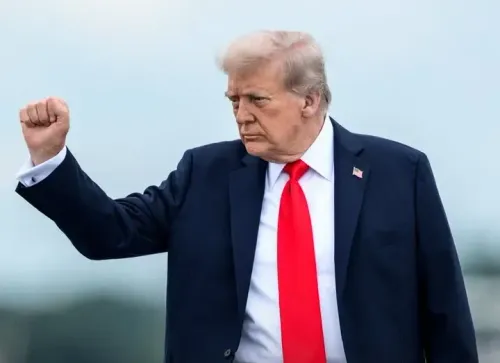
President Donald Trump on Friday, 17 October 2026, portrayed the United States as an unrivalled economic and military power, claiming at a Republican fundraiser in Miami that tariffs are reversing the offshoring of manufacturing jobs, Washington is ahead of China in the race for advanced artificial intelligence, and a conflict involving Iran is nearing its conclusion. The remarks came as Trump made an expansive case for his administration's record with the November 3 midterm elections just weeks away.
Economic Claims and the Tariff Argument
Trump told supporters that his administration had reshaped the country's economic trajectory through tax cuts, deregulation, and policies aimed at drawing domestic investment. 'We have the hottest country in the world right now,' he said, contrasting current conditions with what he described as the pre-2025 landscape.
He claimed that $21 trillion had been invested or committed for investment in the United States, with new factories rising across the country. The figure was not independently substantiated in the remarks. Trump also argued that tariffs had been decisive in persuading automobile manufacturers to expand US production, naming Canada, Mexico, Japan, South Korea, and Germany as countries that had previously drawn American auto manufacturing away. 'It's all coming back because of tariffs, and because of this presidency,' he said.
The Superintelligence Race With China
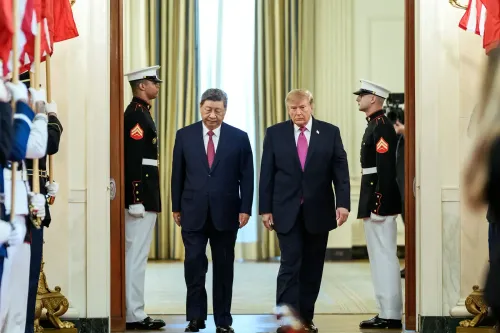
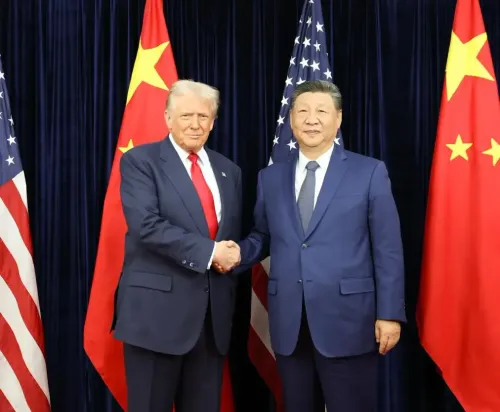
Trump devoted a significant portion of his remarks to technological competition, framing artificial intelligence as a new measure of national power. He said the contest was evolving beyond conventional AI toward what he called superintelligence, or SI. 'Whoever wins the superintelligence race, is going to be the winner,' he said, asserting that the United States was ahead and that no third country was competing at the same level. 'We're leading China. China's second, and there essentially is no third,' he said. Trump also claimed that Chinese President Xi Jinping, in a recent interaction, had acknowledged America's economic progress.
Iran, Venezuela, and Foreign Policy Claims
On foreign policy, Trump predicted that the conflict involving Iran would end soon, claiming US military operations had destroyed much of Iran's naval and air capabilities and eliminated its ability to pose a nuclear threat. Those battlefield assessments were not independently verified in the available material. 'We're going to win it very soon, one way or the other,' he said, predicting that oil prices would fall sharply once the conflict concluded, though he offered no specific timetable or market analysis to support the forecast.
Trump also praised American military operations in Venezuela, describing the country's oil reserves as strategically significant and claiming that large quantities of Venezuelan crude were being extracted. He linked energy production to his argument that the United States had reclaimed global economic and strategic leadership.
Immigration, Inflation, and the Midterm Stakes
Trump repeated allegations that millions of undocumented migrants, including individuals he alleged had been released from foreign prisons, had entered the country under former President Joe Biden. He credited his administration with tightening border security and said price increases had slowed considerably in recent months.
Addressing the elections directly, Trump acknowledged that governing parties historically struggle in midterms but argued that his record on the economy and national security would help Republicans defy that pattern. He attacked a Democratic Senate candidate in Michigan and backed Republican Mike Rogers, making allegations about his opponent's political associations that were unsupported by evidence in his remarks.
The November 3 elections will determine control of Congress for the remainder of Trump's term — with economic conditions, immigration, foreign policy, and the cost of living all featuring prominently in the campaign. Trump returned to the White House in January 2025 after winning the 2024 presidential election.
Point of View
Unverified numbers ($21 trillion in investment) alongside geopolitical forecasts (Iran 'very soon') that carry no verifiable timeline. The superintelligence framing is notable: it signals that AI dominance, not just trade or jobs, is now a Republican electoral talking point. Historically, midterm rallies by sitting presidents are defensive exercises; Trump's rhetoric here is aggressively offensive, betting that narrative momentum can outrun the traditional midterm drag on the incumbent party. Whether unsubstantiated battlefield claims about Iran become a liability if the conflict drags on is the sharpest accountability question mainstream coverage has yet to fully press.
NationPress
17 Oct 2026
Frequently Asked Questions
What did Trump say at the Miami rally ahead of the November 2026 midterms?
At a Republican fundraiser in Miami on 17 October 2026, Trump claimed the US had attracted $21 trillion in investment commitments, was leading China in the superintelligence race, and was close to ending the conflict with Iran. He tied these claims to an argument that Republicans deserved continued control of Congress after the November 3 midterm elections.
What is Trump's claim about the US–China superintelligence race?
Trump said the AI competition with China was evolving beyond conventional artificial intelligence into what he called superintelligence, or SI, and that the US was currently ahead. He said China was second and that 'there essentially is no third' country competing at the same level.
What did Trump say about the conflict with Iran?
Trump predicted the conflict involving Iran would end 'very soon, one way or the other,' claiming US military operations had destroyed much of Iran's naval and air capabilities and removed its nuclear threat. He also forecast a sharp drop in oil prices once the conflict concluded. Those battlefield assessments were not independently verified.
What are the November 3 midterm elections and why do they matter?
The November 3 midterm elections will determine which party controls the US Congress for the remainder of Trump's presidential term. Republicans currently hold the majority, and Trump argued at the Miami rally that his record on the economy, immigration, and national security would help the party defy the historical pattern of midterm losses for the governing party.
Are Trump's economic claims, including the $21 trillion investment figure, verified?
The $21 trillion investment figure cited by Trump was not independently substantiated in his remarks, as noted in the available material. Similarly, his battlefield assessments regarding Iran's military capabilities were not independently verified. Trump has a pattern of citing large, unattributed economic figures at campaign-style events.