Bangladesh human rights abuses flagged at EU Commission in Brussels
Synopsis
A Paris-based rights group told the European Commission in Brussels that Bangladesh has seen death sentences against 23 individuals — including former PM Sheikh Hasina — extrajudicial killings, an Awami League ban, and a media blackout since August 2024. JMBF is pushing the EU to tie its trade and development ties to measurable human rights benchmarks, a demand that could complicate Brussels-Dhaka relations.
Key Takeaways
Justice Makers Bangladesh in France (JMBF) raised human rights concerns at the European Commission in Brussels on 17 October 2026 .
The delegation met Fausto Matos , Cabinet Member to EU Executive Vice-President Henna Virkkunen , submitting a detailed briefing note on violations since August 2024 .
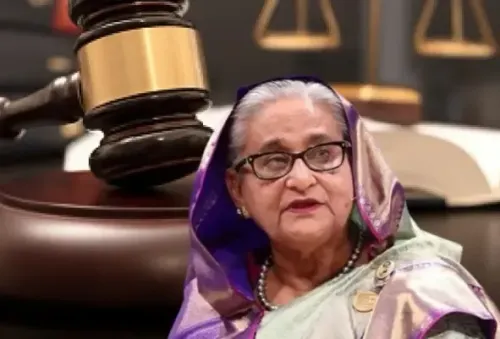
23 death sentences imposed by Bangladesh's International Crimes Tribunals — including against former PM Sheikh Hasina — were flagged as legally problematic, with trials reportedly held in absentia .
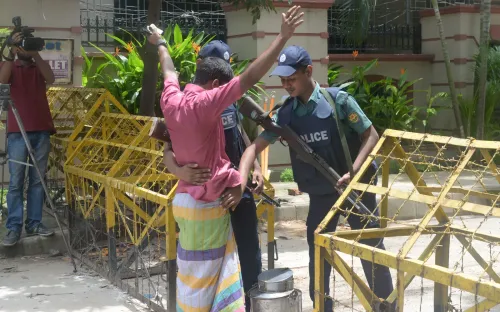
JMBF documented alleged extrajudicial killings, custodial deaths, arbitrary arrests, mob violence, and a ban on the Awami League .
The group urged the EU to press for the lifting of the Awami League ban, end political persecution, and integrate human rights benchmarks into trade and development ties with Bangladesh .
A Paris-based international human rights organisation raised serious alarm over escalating human rights abuses in Bangladesh during a high-level meeting at the European Commission office in Brussels on 17 October 2026. The delegation from Justice Makers Bangladesh in France (JMBF) urged the European Union to take concrete action on a deteriorating rights situation that has reportedly worsened since August 2024.
What the Delegation Presented
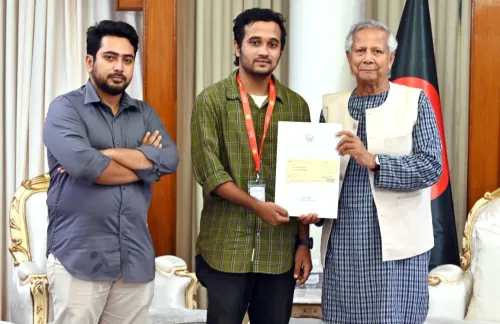
A five-member JMBF delegation, led by founder Shahanur Islam, met Fausto Matos, a Cabinet Member in the office of European Commission Executive Vice-President Henna Virkkunen. The group submitted a comprehensive briefing note titled 'Human Rights Concerns in Bangladesh Since the Change of Government in August 2024,' documenting alleged violations recorded between August 2024 and October 2026.
The delegation also tabled six thematic reports covering alleged extrajudicial killings, custodial deaths, threats to the independence of the legal profession, violence against garment workers, intimidation of lawyers, and what JMBF described as a government-driven media blackout targeting its human rights reporting inside Bangladesh.
Key Allegations Raised
Among the most serious concerns flagged were 23 death sentences imposed by Bangladesh's International Crimes Tribunals against 22 distinct individuals, including former Prime Minister Sheikh Hasina, former Home Minister Asaduzzaman Khan Kamal, and several other Awami League leaders, in connection with the July–August 2024 uprising. JMBF founder Shahanur Islam questioned the 'independence and impartiality of the tribunals, particularly the imposition of death sentences following trials conducted in absentia, allegations of politically motivated prosecutions, and inadequate safeguards to ensure compliance with internationally recognised standards of due process and fair trial.'
The delegation further warned that 'politically motivated arrests, intimidation and prolonged detention of lawyers threaten the independence of the legal profession, undermine access to justice and weaken the rule of law.'
Broader Rights Concerns Documented
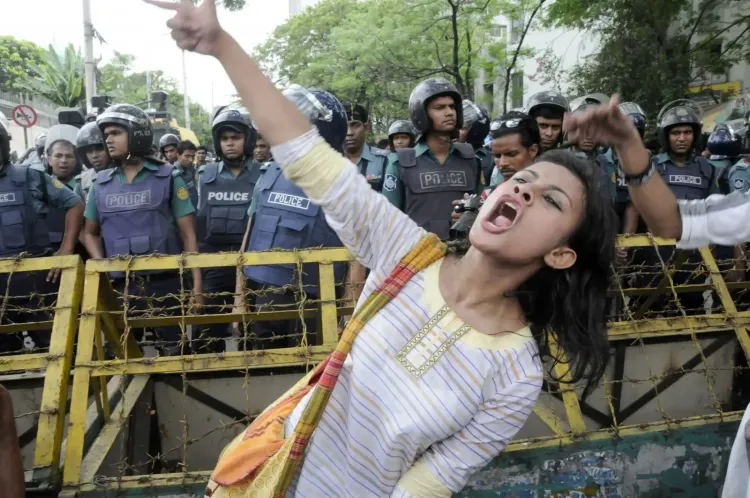
Beyond the tribunal proceedings, the delegation drew attention to the ban on the Awami League, widespread political persecution, arbitrary arrests, mob violence, and restrictions on democratic freedoms since the change of government. It also flagged a surge in attacks on journalists, human rights defenders, teachers, students and workers, as well as sexual violence against children, violence against women and girls, and persecution of religious and ethnic minorities and LGBTQI+ individuals across Bangladesh.
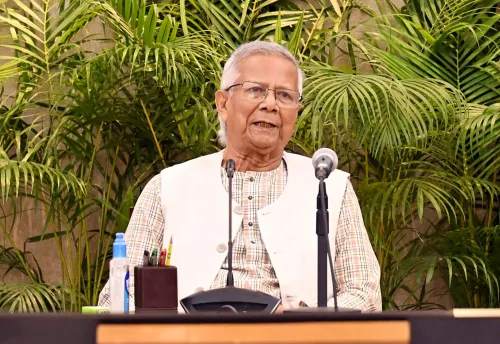
Notably, the briefing highlighted increasing threats against vulnerable and marginalised communities and documented what it described as systematic intimidation of legal professionals under the former Muhammad Yunus-led interim government.
What JMBF Is Asking the EU to Do
The organisation urged the EU to press for the lifting of the ban on the Awami League, an end to political persecution, and concrete measures to protect fundamental freedoms. It also called on Brussels to hold Bangladeshi authorities accountable and to integrate measurable human rights commitments into its diplomatic, trade and development engagement with Bangladesh.
This engagement comes amid growing international scrutiny of Bangladesh's post-uprising governance, with multiple rights bodies and diaspora groups stepping up lobbying efforts at multilateral forums. The EU's response to the briefing, and whether it escalates the matter through formal diplomatic channels, will be closely watched by rights advocates and the Bangladeshi political diaspora in the months ahead.
Point of View
Specifically the EU-Bangladesh GSP+ relationship, to extract concessions from Dhaka. What the mainstream coverage underplays is the in-absentia dimension: death sentences handed down without the accused present are a bright-line violation of international fair-trial standards, and Brussels cannot easily ignore that when renewing preferential trade terms. The deeper tension is that the EU has simultaneously courted Bangladesh as a strategic partner in the post-China supply-chain shift; human rights conditionality risks complicating that calculus. Whether this meeting produces formal démarches or gets absorbed into diplomatic pleasantries will test the credibility of the EU's human rights-first foreign policy rhetoric.
NationPress
17 Oct 2026
Frequently Asked Questions
What did JMBF present to the European Commission about Bangladesh?
Justice Makers Bangladesh in France (JMBF) submitted a briefing note titled 'Human Rights Concerns in Bangladesh Since the Change of Government in August 2024,' documenting alleged violations from August 2024 to October 2026. The briefing covered extrajudicial killings, custodial deaths, the ban on the Awami League, death sentences against 23 individuals including former PM Sheikh Hasina, and restrictions on journalists and lawyers.
Why is the death sentence against Sheikh Hasina significant?
Sheikh Hasina, Bangladesh's former Prime Minister, is among 22 individuals facing death sentences issued by Bangladesh's International Crimes Tribunals in connection with the July–August 2024 uprising. JMBF has questioned the independence of the tribunals and raised concerns that the sentences were handed down in absentia, without adequate due-process safeguards.
What is JMBF asking the EU to do?
JMBF urged the EU to press for the lifting of the ban on the Awami League, an end to political persecution, and accountability for alleged rights violations. It also called on Brussels to integrate measurable human rights commitments into its diplomatic, trade and development engagement with Bangladesh.
Who did the JMBF delegation meet at the European Commission?
The five-member delegation, led by JMBF founder Shahanur Islam, met Fausto Matos, a Cabinet Member in the office of European Commission Executive Vice-President Henna Virkkunen, at the European Commission office in Brussels.
What is the broader context of human rights concerns in Bangladesh since August 2024?
Since the change of government in August 2024, Bangladesh has seen a reported deterioration in rights conditions, including a ban on the Awami League, widespread political persecution, arbitrary arrests, mob violence, and increased threats against journalists, lawyers, minorities, and LGBTQI+ individuals, according to JMBF's reports.