Australian girl killed in Chakwal police shootout draws global outrage
Synopsis
A nine-year-old Australian girl is dead after Pakistani police mistook her family's car for a getaway vehicle in Chakwal — and the fallout is now international. Coming weeks after a Christian driver was shot nine times by Punjab's Dolphin Force, this is no longer a one-off: it is a pattern that Pakistan's authorities can no longer contain within their borders.
Key Takeaways
Hania , a nine-year-old Australian girl , was killed on 10 June when police opened fire on her family's vehicle in Chakwal, Punjab , mistaking them for robbers.
Her father Adil Ahmad and brother Aqan Ahmad were injured; the family, based in Perth , was on holiday in Pakistan.
Punjab CCD Additional IG Sohail Zafar Chatha called the officer's conduct 'a grave deviation' from SOPs; an inquiry is underway.
Weeks earlier, Alyan Johnson , a 22-year-old Christian driver, was allegedly shot nine times by Dolphin Force personnel in Rawalpindi on 26 May and remains critically injured.
Rights groups say both incidents reflect a pattern of excessive force by Punjab police, with minority communities disproportionately affected.
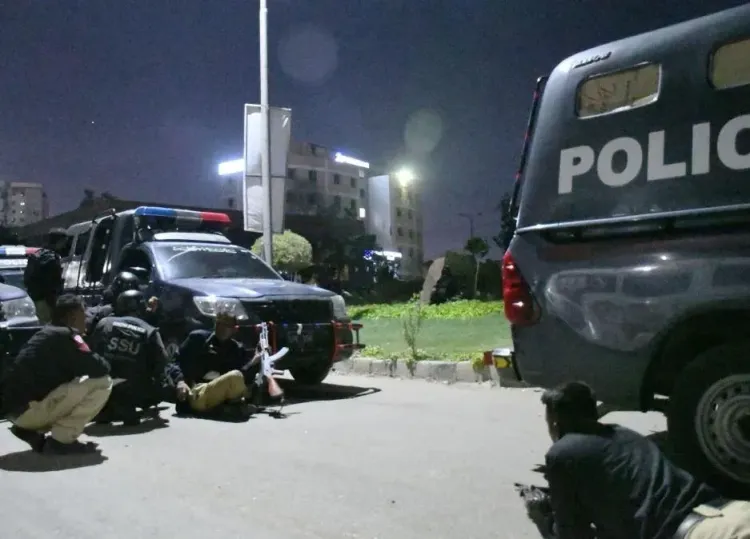
A nine-year-old Australian girl was killed and her father and brother injured after Pakistani police opened fire on their vehicle in Chakwal district, Punjab province, on 10 June, in what authorities have acknowledged was a case of mistaken identity. The incident, involving a Perth-based family on holiday in Pakistan, has drawn widespread international condemnation and renewed scrutiny over police use of force in Punjab.
What Happened in Chakwal
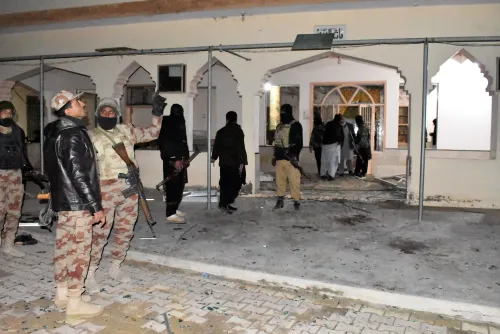
Adil Ahmad, an Australian national who had arrived from Makkah with his wife Sidra Khan, son Aqan Ahmad, and daughter Hania, was travelling to a family function in Chakwal at approximately 9 pm on 10 June when two gunmen held the family at gunpoint outside the CCD's office and snatched valuables from his wife.
Ahmad stated that the suspected robbers took shelter in his vehicle while responding to police firing. He said he attempted to drive the car out of range, but multiple bullets struck the vehicle, injuring him, his son, and his daughter Hania. The girl later succumbed to her injuries.
What the Authorities Said
Punjab's Counter Crime Department (CCD) acknowledged the gravity of the incident. Additional Inspector General Sohail Zafar Chatha was quoted as saying, 'The conduct of the officer involved has represented a grave deviation from our established Standard Operating Procedures (SOPs) and the legal standards governing the use of force.' An inquiry has been initiated.
The incident has been extensively covered by Australian media, given that the family was based in Perth. Pakistani authorities face mounting pressure from both Canberra and domestic civil society groups to ensure accountability.
A Pattern of Concern in Punjab
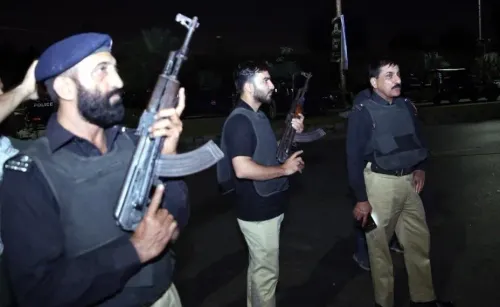
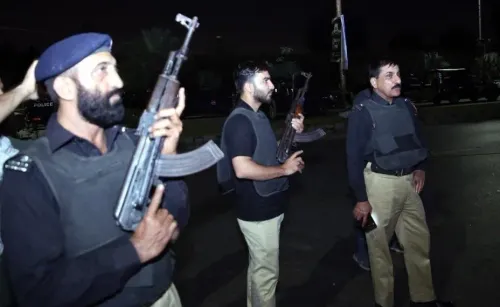
This is not an isolated case. Last month, a 22-year-old Christian motorcycle ride-hailing driver, Alyan Johnson, was critically injured after allegedly being shot nine times by Dolphin Force personnel in Rawalpindi on the night of 26 May. According to reports, Johnson had just dropped off a passenger when police, pursuing a suspected armed man, opened fire. The suspect allegedly fired into the air and fled before officers discharged their weapons.
Johnson sustained several gunshot wounds and two fractures in his right leg and remains in critical condition. His family lodged a complaint at Sadiqabad police station, demanding an impartial investigation, strict action against the officers responsible, and compensation.
His uncle, Joseph Michael, said, 'We demand justice and imprisonment for the shooters who misused their authority.' He added, 'Johnson raised his hands and identified himself as a rider in a loud voice, but the shooting continued. He had no weapon and no criminal record. He only wanted to help his father, who works as a sanitary worker.'
Broader Implications
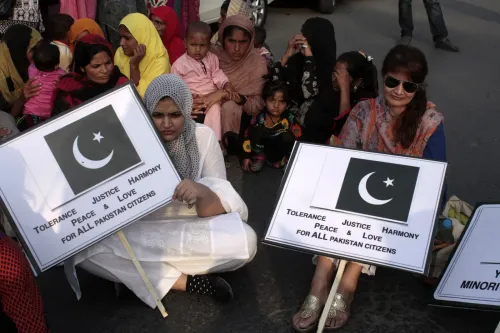
Critics argue that both incidents expose a systemic failure in Pakistan's Punjab police — particularly regarding rules of engagement in crowded or ambiguous situations. The Chakwal shooting, involving foreign nationals, has internationalised the debate in a way that domestic cases rarely do. Rights groups note that minority communities, as seen in the Johnson case, bear a disproportionate burden of such encounters.
With an official inquiry underway in the Chakwal case and the Johnson family awaiting justice in Rawalpindi, pressure is mounting on Punjab's law enforcement leadership to demonstrate accountability before the next session of Pakistan's parliament.
Point of View
And Islamabad knows it. But the structural issue — inadequate rules of engagement, absent accountability, and a pattern that extends to minority communities as the Johnson case shows — predates this incident by years. An inquiry that ends in a departmental transfer, rather than criminal prosecution, will satisfy neither Australia nor Pakistan's own civil society. The real test is whether the pressure of foreign-national status produces a standard of justice that Pakistani citizens have long been denied.
NationPress
24 Sept 2026
Frequently Asked Questions
What happened in the Chakwal police shootout?
On 10 June, Pakistani police opened fire on a vehicle carrying an Australian family in Chakwal district, Punjab, mistaking them for robbers. Nine-year-old Hania was killed and her father Adil Ahmad and brother Aqan Ahmad were injured.
Who was the Australian family involved in the Chakwal incident?
The family comprised Adil Ahmad, his wife Sidra Khan, son Aqan Ahmad, and daughter Hania — all Australian nationals based in Perth. They had arrived from Makkah and were travelling to a family function in Chakwal when the incident occurred.
What has Pakistan's government said about the Chakwal shooting?
Punjab CCD Additional Inspector General Sohail Zafar Chatha acknowledged that the officer's conduct was 'a grave deviation' from established SOPs and legal standards on use of force. An official inquiry has been initiated.
Who is Alyan Johnson and how is his case connected?
Alyan Johnson is a 22-year-old Christian motorcycle ride-hailing driver who was allegedly shot nine times by Dolphin Force personnel in Rawalpindi on 26 May. His family says he had no weapon or criminal record. The case has drawn parallel attention to a broader pattern of police use of excessive force in Punjab.
Why is the Chakwal incident receiving international attention?
Because the victims are Australian nationals from Perth, the case has been widely covered by Australian media and is expected to draw diplomatic attention from Canberra. It has internationalised a debate over Pakistan's Punjab police conduct that had largely remained a domestic concern.