Bangladesh Awami League condemns attack on activist's kin in Kushtia
Synopsis
A family targeted twice in over a year — the younger brother of a Jubo League leader was assaulted at a municipal office in Kushtia, months after his sibling was taken from a bridge in a nationally covered incident. The Awami League is now alleging over 100 of its leaders are jailed without trial under BNP rule, framing a pattern of political persecution that is drawing sharp scrutiny.
Key Takeaways
The younger brother of SM Rafiq , Senior Vice President of Jubo League in Kumarkhali Upazila , was allegedly assaulted at a municipal office and hospitalised at Kushtia General Hospital .
The same family was previously targeted on 1 May 2025 , when SM Rafiq was reportedly taken from the Shahid Golam Kibria Bridge area.
The Awami League has alleged a growing culture of 'political intimidation, mob violence, and fear' under the BNP government.
Former minister Mohammad Ali Arafat claimed more than 100 former Awami League MPs, ministers, and central leaders have been held for over two years without trial.
Arafat described the cases against party leaders as 'fabricated and false' and alleged a politically motivated 'smear campaign.'
The Bangladesh Awami League on Thursday, 18 June expressed grave concern over an alleged brutal assault on a family member of a party activist in Kumarkhali upazila of Kushtia district, warning that political violence is escalating across the country. The incident is the latest in a pattern of attacks that the party says targets its members and their relatives.
What Happened in Kumarkhali
According to the Awami League, the younger brother of SM Rafiq — Senior Vice President of the party's youth wing Jubo League in Kumarkhali Upazila — was assaulted while visiting the municipal office to obtain a civic certificate. He was subsequently rushed to Kushtia General Hospital for treatment.
The party drew attention to a prior incident involving the same family: on 1 May 2025, SM Rafiq himself was reportedly taken from the Shahid Golam Kibria Bridge area in an event that generated widespread media coverage and national public debate. 'This is not an isolated incident,' the party stated, noting that more than a year later, another member of the same family has become the victim of violence.
Awami League Alleges Systematic Intimidation
The Awami League characterised these recurring incidents as evidence of a deepening culture of 'political intimidation, mob violence, and fear' across Bangladesh. Citing critics, the party alleged that such attacks have become increasingly common under the ruling Bangladesh Nationalist Party (BNP) government, raising serious concerns about public safety and democratic rights. The party questioned how many times one family must suffer before the cycle of violence ends.
Over 100 Leaders Detained Without Trial, Says Arafat
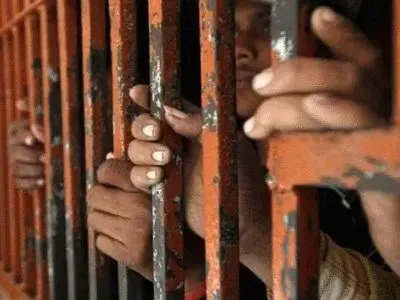
Former Bangladesh Minister and Awami League leader Mohammad Ali Arafat alleged that more than 100 former lawmakers, ministers, and central leaders of the party have remained behind bars over the past two years without facing trial. Taking to his social media platform X, Arafat said, 'More than 100 former Awami League MPs, ministers, and central leaders have been detained in prison for the past two years without trial. It is being claimed that they committed numerous wrongdoings. If that is truly the case, then why is there a need to keep them detained through false cases?'
He further argued: 'If Awami League MPs, ministers, and central leaders have actually committed crimes, then they can be prosecuted for those specific crimes, can they not? There should be no need to file false cases against them.' Arafat questioned whether the allegations were 'politically motivated' and part of a 'smear campaign,' asking why authorities would otherwise rely on what he described as 'fabricated and false' cases.
Broader Context of Political Violence in Bangladesh
This comes amid a period of heightened political tension in Bangladesh following the BNP's return to power. Rights observers have flagged a deteriorating environment for opposition parties, with multiple reports of targeted violence against Awami League members at the grassroots level. Notably, the Kushtia district has emerged as a recurring flashpoint in recent months. The Awami League's public statements suggest the party is building a documented record of alleged state-backed or state-tolerated violence — a strategy that signals it intends to contest the legitimacy of the current political order both domestically and internationally.
Point of View
But the absence of judicial timelines or court records in the party's own statements limits its evidentiary weight. Bangladesh's political violence problem predates the current government, and both major parties have historically weaponised the justice system against opponents — context that the Awami League's statement conspicuously omits.
NationPress
19 Sept 2026
Frequently Asked Questions
Who was attacked in the Kushtia incident on 18 June 2025?
The younger brother of SM Rafiq, Senior Vice President of the Awami League's youth wing Jubo League in Kumarkhali Upazila, was allegedly assaulted while visiting the local municipal office to obtain a civic certificate. He was treated at Kushtia General Hospital.
What happened to SM Rafiq on 1 May 2025?
According to the Awami League, SM Rafiq was taken from the Shahid Golam Kibria Bridge area on 1 May 2025 in an incident that generated widespread national media coverage and public debate. The party cited this prior targeting of the same family to argue the latest attack is part of a pattern.
How many Awami League leaders are allegedly detained without trial?
Former minister Mohammad Ali Arafat alleged that more than 100 former Awami League MPs, ministers, and central leaders have been held in prison for over two years without facing trial. He described the cases against them as fabricated and politically motivated.
What is the Awami League alleging about the BNP government?
The Awami League alleges that political violence, intimidation, and mob attacks on its members have intensified under the ruling Bangladesh Nationalist Party government. It argues that recurring assaults on its activists and the mass detention of its leaders without trial reflect a systematic crackdown on democratic opposition.
Where did the latest attack take place?
The attack allegedly occurred in Kumarkhali upazila, Kushtia district, Bangladesh, when the victim visited the municipal office for a civic certificate. Kushtia has been identified as a recurring flashpoint for political violence in recent months.