Baloch activist warns EU: Pakistan counter-terrorism partnership 'akin to trusting a thief'
Synopsis
A leading Baloch human rights defender has told the EU's top diplomat that partnering with Pakistan on counter-terrorism is 'akin to entrusting a thief with eliminating theft' — invoking Osama bin Laden's Abbottabad hideout and calling for an independent probe into Balochistan's human rights situation as a condition of GSP+ status. The letter arrives days after the Eighth Pakistan-EU Strategic Dialogue formalised the partnership.
Key Takeaways
Mir Yar Baloch wrote to EU High Representative Kaja Kallas on 2 June opposing Pakistan's designation as an EU counter-terrorism partner.
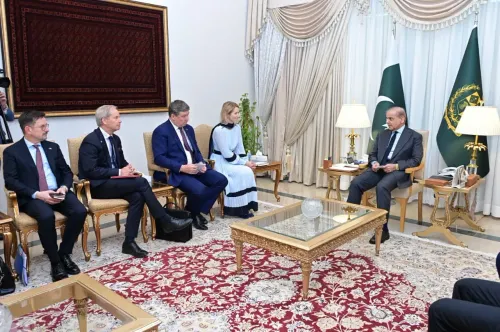
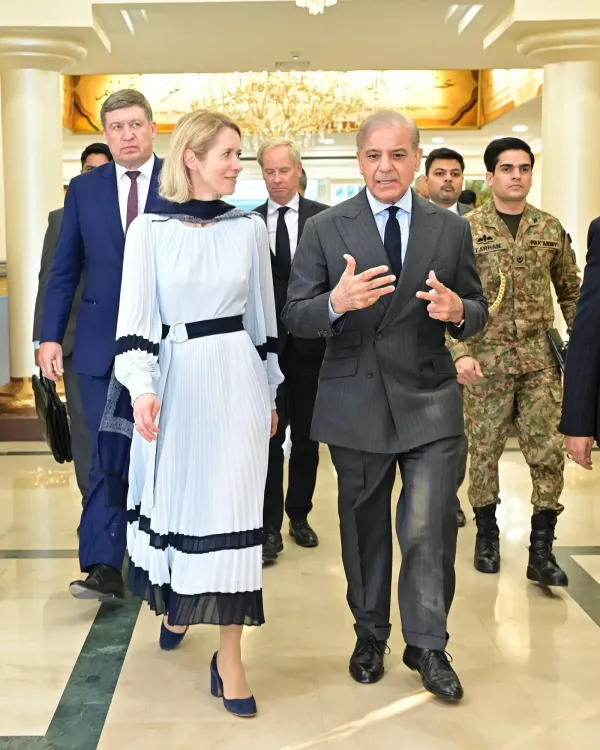
The letter follows the Eighth Pakistan-EU Strategic Dialogue communique signed in Islamabad .
Mir accused the Pakistan Army and ISI of nurturing extremist networks, calling the EU's approach 'akin to entrusting a thief with eliminating theft.' He cited Osama bin Laden 's discovery in Abbottabad as evidence of the gap between Pakistan's official narrative and ground realities.
Mir called for an independent international probe into human rights violations in Balochistan and a review of Pakistan's GSP+ status.
Baloch human rights defender Mir Yar Baloch has written to Kaja Kallas, the European Union High Representative for Foreign Affairs and Security Policy, expressing grave concern over the EU's decision to designate Pakistan as a counter-terrorism partner — despite decades of allegations linking Islamabad to proxy networks, militant support, and extremist groups. The letter, sent from Quetta on 2 June, follows the Joint Communique issued after the Eighth Pakistan-EU Strategic Dialogue held in Islamabad.
The Core Allegation
In his letter, Mir argued that the communique's identification of counter-terrorism cooperation as a key component of Pakistan-EU relations is 'highly dangerous and detached from reality', given Islamabad's alleged role in sheltering terror groups. He did not mince words: 'Designating a state as a partner against terrorism despite decades of undeniable evidence linking it to proxy policies, support for militancy, and connections with extremist networks across different regions is a contradiction that cannot be ignored,' he wrote.
Mir accused the Pakistan Army and the Inter-Services Intelligence (ISI) of nurturing, training, and supporting religious extremists, adding that Europe's current exposure to Islamic extremism and fundamentalism has its historical roots in Pakistan. He described the EU's approach as 'akin to entrusting a thief with the responsibility of eliminating theft.'
The Bin Laden Precedent
The activist invoked the case of Osama bin Laden, who was found living in Abbottabad, Pakistan — a discovery he said exposed the gap between Pakistan's official narrative and ground realities. He urged the international community to recall this episode rather than rely solely on Islamabad's 'false and one-sided narrative' when framing counter-terrorism partnerships.
This is not the first time Baloch activists and international analysts have cited the Abbottabad episode to challenge Pakistan's credibility as a counter-terrorism ally. The argument has persisted across successive US, European, and UN policy reviews, yet Islamabad has continued to receive significant security cooperation from Western governments.
GSP+ Status and Human Rights in Balochistan
Mir also raised the EU's Generalised Scheme of Preferences Plus (GSP+) status granted to Pakistan, which is formally conditioned on respect for human rights. He called for an independent, impartial, and international investigation into what he described as gross human rights violations by Pakistani forces in Balochistan — including enforced disappearances and displacement of local communities.
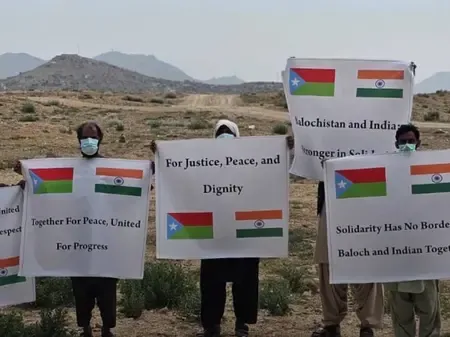
He urged the EU, the United Nations, international human rights organisations, and independent observers to visit Balochistan directly. 'Let them meet the affected Baloch families. Let them hear the voices of the victims of enforced disappearances. Let them visit the areas where local populations are engaged in a peaceful struggle to protect their resources, lands, and fundamental rights of independence,' he stated.
The Broader Challenge to EU Policy
Mir's letter challenges the EU to apply consistent standards across global conflicts. He argued that if the bloc genuinely champions 'human dignity, justice, freedom, and a rules-based international order', it must extend those same principles to Balochistan. Critics of the EU-Pakistan Strategic Dialogue have long argued that trade and security incentives have overshadowed human rights conditionalities in Brussels' South Asia policy.
The EU has not publicly responded to the letter as of the time of publication. The Strategic Dialogue communique's language on counter-terrorism cooperation is likely to face renewed scrutiny from Baloch diaspora groups and human rights advocates in the coming weeks.
Point of View
But it adds to a growing body of formal advocacy that makes the contradictions harder to ignore. The real question is whether the EU will treat the Balochistan situation with the same institutional urgency it applies to other conflict zones — or whether South Asia remains a region where strategic interests consistently override the bloc's stated values.
NationPress
18 Oct 2026
Frequently Asked Questions
What did Mir Yar Baloch write to the EU about?
Mir Yar Baloch wrote to EU High Representative Kaja Kallas on 2 June, urging the bloc to reconsider designating Pakistan as a counter-terrorism partner, citing longstanding allegations of Islamabad's links to proxy networks and extremist groups. He described the policy as 'highly dangerous and detached from reality.'
What is the Eighth Pakistan-EU Strategic Dialogue?
It is the latest round of high-level talks between Pakistan and the European Union, held in Islamabad, which produced a Joint Communique identifying counter-terrorism cooperation as a key pillar of bilateral relations. The dialogue covers trade, security, and governance issues.
Why did Mir Yar Baloch mention Osama bin Laden?
He cited bin Laden's discovery living in Abbottabad, Pakistan, as historical evidence of the gap between Pakistan's official counter-terrorism narrative and ground realities. The reference is intended to challenge the credibility of Islamabad as a reliable partner against terrorism.
What is GSP+ and why is it relevant here?
The Generalised Scheme of Preferences Plus (GSP+) is an EU trade concession granted to Pakistan that is formally conditioned on adherence to human rights standards. Mir Yar Baloch argues that an independent international investigation into alleged violations in Balochistan should be a prerequisite for maintaining that status.
What action is Mir Yar Baloch demanding from the international community?
He is calling on the EU, the United Nations, and international human rights organisations to visit Balochistan independently, meet affected families, and hear accounts of enforced disappearances — rather than relying solely on Pakistan's official narrative.