Baloch group briefs UN on enforced disappearances, human rights abuses in Balochistan
Synopsis
The Baloch National Movement formally presented documented evidence of enforced disappearances to the UN Working Group on Enforced or Involuntary Disappearances in Geneva — the same week a Hague-based rights body raised alarms at the UN Human Rights Council. Two consecutive UN-level interventions in a single week signal a deliberate escalation in the international campaign over Balochistan's human rights crisis.
Key Takeaways
BNM Chairman Naseem Baloch met UN WGEID Chair-Rapporteur Grazyna Baranowska in Geneva on 23 September 2026 .
The delegation submitted a six-month human rights report and an enforced disappearances dossier prepared by rights body Paank .
BNM accused Pakistan of systematic enforced disappearances, calling its official claims 'false and unfounded.' The Global Human Rights Defence (GHRD) separately raised Balochistan at the 63rd UN Human Rights Council session , urging Pakistan to end enforced disappearances and collective punishment.
Pakistan has not publicly responded to the specific allegations presented at the Geneva meeting.
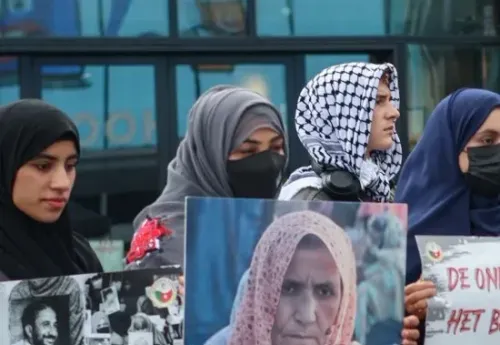
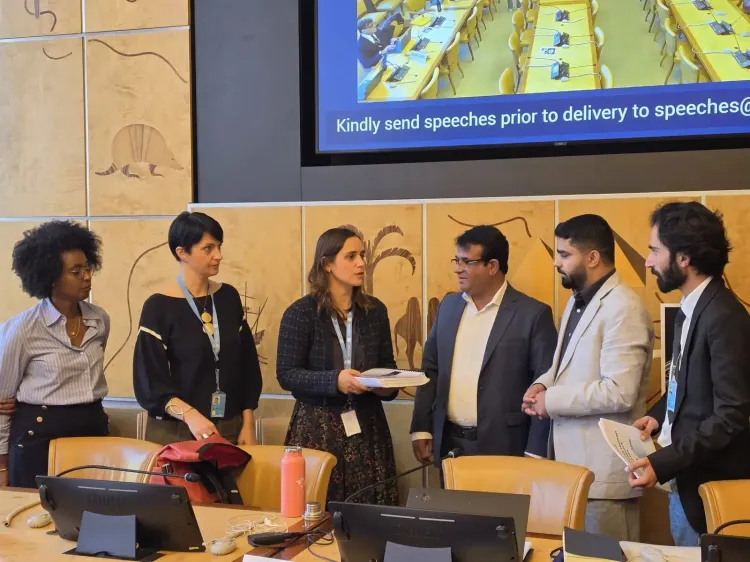
The Baloch National Movement (BNM) on Wednesday, 23 September 2026, briefed senior United Nations officials in Geneva on what it described as grave human rights violations by Pakistani authorities in Balochistan, alleging that a systematic policy of enforced disappearances has devastated families and emptied homes across the province. The meeting marks one of the most formally documented engagements the BNM has had with a UN oversight body.
The Geneva Meeting
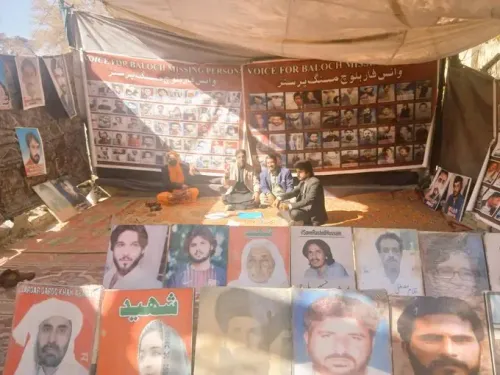
A BNM delegation led by its Chairman Naseem Baloch met Grazyna Baranowska, Chair-Rapporteur of the United Nations Working Group on Enforced or Involuntary Disappearances (WGEID), in Geneva. The delegation presented a latest six-month human rights report alongside a dossier on enforced disappearances, both prepared by Paank, the BNM's affiliated human rights body.
According to the BNM, the submission included documented evidence that it said was 'difficult to dismiss.' The group argued that its sustained international advocacy has elevated the Balochistan issue before global institutions as an urgent matter requiring concrete resolution.
What the BNM Alleged
The BNM accused Pakistan of long evading accountability on enforced disappearances. 'Pakistan has long evaded accountability on enforced disappearances, but BNM's persistent efforts have compelled it to answer before international bodies,' the group said in a statement. It called on UN mechanisms to reject what it termed Pakistan's 'false and unfounded' claims, urging instead that the Working Group take 'practical and effective steps towards accountability.'
Pakistan has not publicly responded to the specific allegations raised at Wednesday's meeting.
GHRD Raises Alarm at UN Human Rights Council
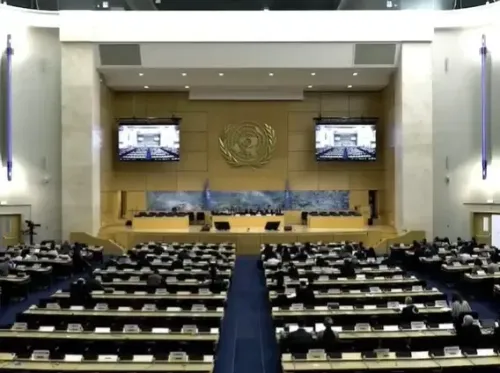
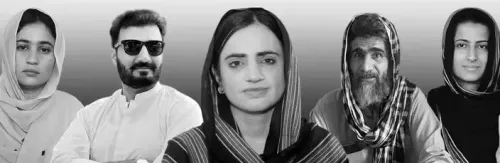
The BNM briefing follows a related intervention at the 63rd Session of the UN Human Rights Council, also held in Geneva, where the Hague-based Global Human Rights Defence (GHRD) drew the global community's attention to the situation in Balochistan. Addressing the Council, the GHRD stated: 'We draw the Council's urgent attention to the human rights crisis in occupied Balochistan, where Baloch human rights defenders, students, and families of the disappeared faced enforced disappearance, arbitrary detention, and reprisals by Pakistani authorities.'
The GHRD urged the UN Human Rights Council and the High Commissioner to press Pakistan to immediately end enforced disappearances and collective punishment, disclose the fate of all disappeared persons, ensure fair trials, and release Baloch human rights defenders detained for peaceful advocacy.
Broader Pattern of International Scrutiny
These developments come amid intensifying international scrutiny of Pakistan's human rights record in Balochistan. The GHRD intervention and the WGEID briefing represent consecutive weeks of formal engagement at the UN level — a notable escalation in the internationalisation of the Baloch rights cause. This is not the first time Pakistan has faced questions at UN forums over enforced disappearances; previous sessions have seen similar representations, though rights groups argue that accountability mechanisms have yet to produce tangible outcomes on the ground.
With documented evidence now formally submitted to the WGEID, attention will turn to whether the Working Group issues formal communications or country reports referencing Balochistan in its upcoming cycles.
Point of View
One at the Human Rights Council — represent a strategic escalation by Baloch rights groups, not a spontaneous flurry of activity. The submission of a structured evidence dossier through Paank signals growing institutional sophistication. Yet the hard question remains unanswered: previous UN engagement on Balochistan has not produced verifiable on-the-ground accountability from Islamabad. Whether the WGEID issues formal communications based on Wednesday's submission, and whether the HRC follows through on GHRD's call, will determine if this round of advocacy translates into pressure or simply adds to the paper record. Pakistan's silence at this stage is itself a pattern worth tracking.
NationPress
23 Sept 2026
Frequently Asked Questions
What did the Baloch National Movement present to the UN in Geneva?
The BNM presented a six-month human rights report and a dossier on enforced disappearances, both compiled by its affiliated rights body Paank, to Grazyna Baranowska, Chair-Rapporteur of the UN Working Group on Enforced or Involuntary Disappearances, on 23 September 2026. The delegation argued the documented evidence was formal and difficult to dismiss.
What is the UN Working Group on Enforced or Involuntary Disappearances?
The WGEID is a United Nations body mandated to assist families in determining the fate of disappeared relatives and to monitor states' compliance with international norms on enforced disappearances. It can issue formal communications to governments and publish country-specific findings.
What did the Global Human Rights Defence say at the UN Human Rights Council?
The Hague-based GHRD told the 63rd session of the UN Human Rights Council that Baloch human rights defenders, students, and families of the disappeared faced enforced disappearance, arbitrary detention, and reprisals by Pakistani authorities. It urged the Council and the High Commissioner to press Pakistan to end enforced disappearances and release detained advocates.
Has Pakistan responded to the allegations raised in Geneva?
Pakistan has not publicly responded to the specific allegations presented at Wednesday's WGEID meeting. Pakistan has previously disputed similar characterisations at international forums, describing them as politically motivated.
Why is the Balochistan human rights situation significant internationally?
Balochistan has been the subject of repeated allegations of enforced disappearances, extrajudicial killings, and collective punishment for years, drawing scrutiny from international rights bodies. The BNM argues that consecutive UN-level interventions in September 2026 mark a new phase in the internationalisation of the issue, though accountability mechanisms have yet to produce verified improvements on the ground.