Baloch groups reject Pakistan ISPR claims on Surab airstrikes as 'fabricated'
Synopsis
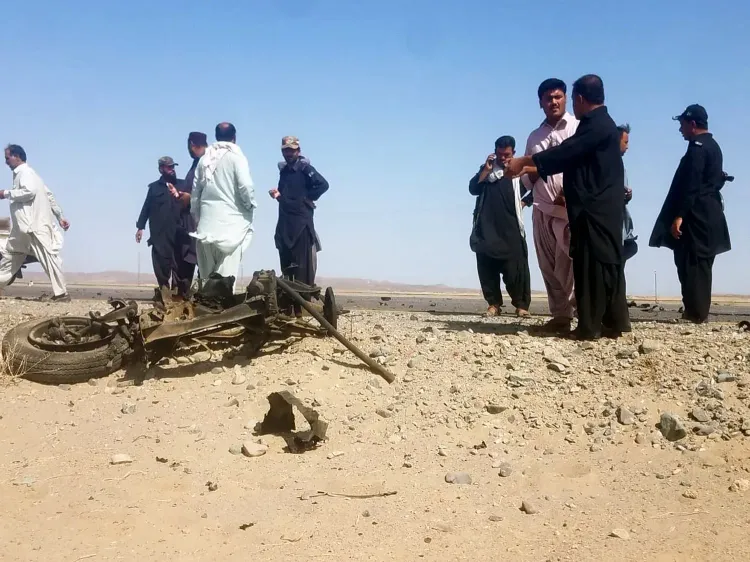
Pakistan's military insists the Surab deaths were caused by a militant IED. Baloch rights groups, eyewitnesses, and the Baloch Yakjehti Committee say the Pakistan Air Force bombed a sleeping village. With over 30 civilians reportedly dead and a province-wide shutdown underway, the gap between the official narrative and ground accounts has never looked wider.
Key Takeaways
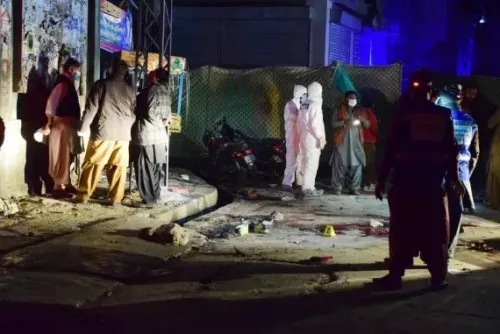
The Pakistan Air Force reportedly struck residential areas in Surab, Balochistan in the early hours of Wednesday, 12 August , killing more than 30 civilians , including women and children.
Pakistan's ISPR attributed casualties to a premature VBIED detonation linked to a militant group — a claim multiple Baloch organisations have called 'false and fabricated.' Human rights defender Mir Yar Baloch posted on X , describing the incident as 'a planned act of collective punishment.' The Baloch Voice for Justice (BVJ) demanded an independent investigation and journalist access to the affected area.
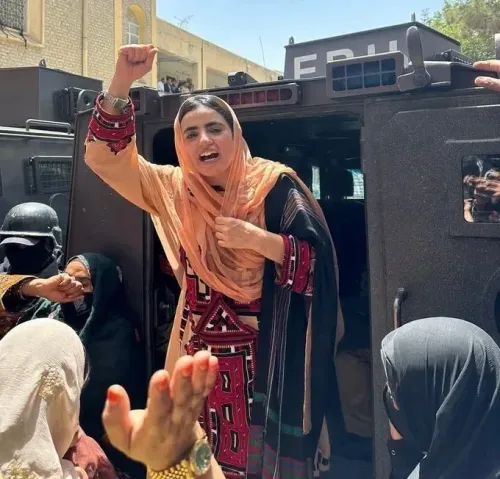
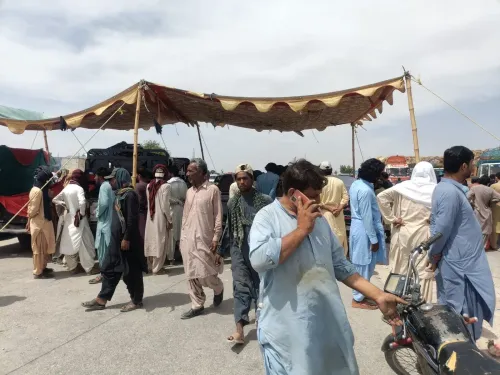
A province-wide shutter-down and wheel-jam strike was observed on Thursday , called by the Baloch Yakjehti Committee (BYC) .
The BSO-Azad urged the international community to act on what it termed an 'ongoing genocide in Balochistan.'
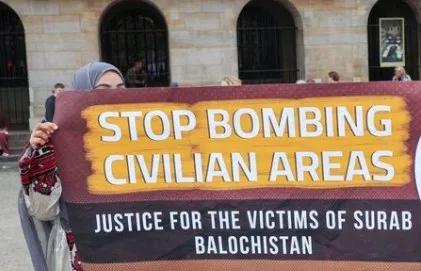
Several Baloch human rights organisations and activists on Thursday, 13 August flatly rejected the official account put forward by Pakistan's Inter-Services Public Relations (ISPR) regarding the deadly airstrikes in Surab, Balochistan, calling the military's statement 'false and fabricated'. The rejection came a day after the Pakistan Air Force reportedly carried out strikes on residential areas in the Gidar locality of Surab in the early hours of Wednesday, killing more than 30 civilians, including women and children, and injuring several others.
What the ISPR Claimed
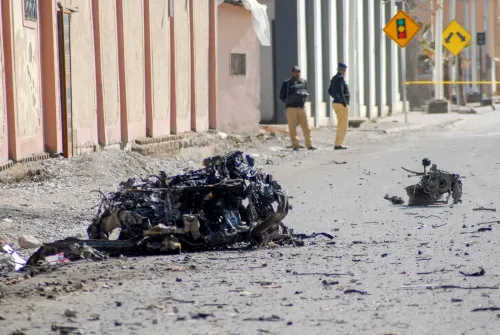
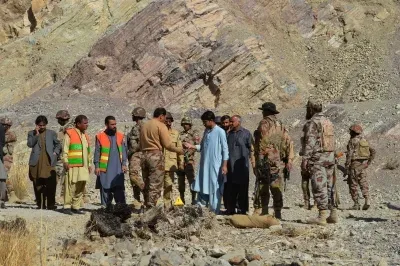
The Director General of ISPR (DG ISPR) — the official spokesperson for Pakistan's armed forces — sought to attribute the casualties to the premature detonation of a Vehicle-Borne Improvised Explosive Device (VBIED), allegedly linked to a militant group. Critics, however, say this account directly contradicts eyewitness accounts from residents of Surab, who allege that the Pakistan Air Force conducted indiscriminate bombardment of civilian homes under the cover of darkness.
Activists and Rights Bodies Push Back
Prominent Baloch human rights defender Mir Yar Baloch posted on X, stating: 'DGISPR, which serves as the official spokesperson for the Pakistani military, has long faced severe criticism over its misleading and fabricated statements and official positions regarding controversial military operations.' He further alleged that 'the Surab massacre was a planned act of collective punishment,' with local residents as witnesses to the deliberate targeting of civilians.
The Baloch Voice for Justice (BVJ) accused the ISPR of resorting to 'extreme exaggeration' and constructing a 'so-called narrative' to conceal what it described as ongoing 'war crimes' in Balochistan. The BVJ demanded an immediate, transparent, and independent investigation, calling for independent observers and journalists to be granted access to the affected area and for all available evidence to be preserved.
The Baloch Students Organisation (BSO)-Azad dismissed the ISPR's account as a 'fabricated and polished narrative,' calling on the international community to hold Pakistan accountable for what it described as the 'destruction of civilian homes and massacre of women, children, and elderly people.'
Shutdown Strike Across Balochistan
A shutter-down and wheel-jam strike was observed across several districts of Balochistan on Thursday, following a call by the Baloch Yakjehti Committee (BYC) in solidarity with the people of Surab. The BYC stated that 'the loss of civilian lives, destruction of homes, and suffering of families in Surab demand urgent attention from human rights organisations and the international community.'
The committee framed the shutdown as part of a broader movement: 'This shutter-down is not an isolated act of mourning; it is a part of a growing movement across Balochistan demanding that the killing of civilians be met with accountability, not impunity.'
International Accountability Demanded
Across the organisations, a common thread was a call for international intervention. The BSO-Azad urged global bodies to take cognisance of what it called an 'ongoing genocide in Balochistan.' The BVJ underscored that 'no state institution should be allowed to target civilians and subsequently conceal the facts.' As of Thursday, Pakistan's government had not issued a revised statement in response to the mounting rejections. The episode is likely to intensify scrutiny of Pakistan's military operations in Balochistan at international human rights forums.
Point of View
Deny aerial culpability, and move on before international attention hardens. What is different this time is the speed and coordination of the rebuttal — multiple named organisations, a named rights defender posting on X, and a province-wide economic shutdown within 24 hours. Pakistan's information strategy in Balochistan has historically succeeded because of limited journalist access; the BVJ's explicit demand to open the area to independent observers is a direct challenge to that information blackout. Whether the international community — particularly UN human rights mechanisms — treats this as a credible accountability moment or another unverified claim from a conflict zone will define whether Surab becomes a turning point or a footnote.
NationPress
28 Sept 2026
Frequently Asked Questions
What happened in Surab, Balochistan on 12 August?
The Pakistan Air Force reportedly conducted airstrikes on residential areas in the Gidar locality of Surab in the early hours of Wednesday, 12 August, killing more than 30 civilians, including women and children, and injuring several others. Pakistan's ISPR has disputed this account, attributing the casualties to a militant IED detonation.
What did Pakistan's ISPR say about the Surab incident?
The DG ISPR claimed the casualties resulted from the premature detonation of a Vehicle-Borne Improvised Explosive Device (VBIED) allegedly linked to a militant group, not from a military airstrike. Baloch rights organisations and eyewitnesses have rejected this account as 'false and fabricated.'
Which groups have rejected Pakistan's official account?
The Baloch Voice for Justice (BVJ), Baloch Students Organisation (BSO)-Azad, and Baloch Yakjehti Committee (BYC) have all publicly rejected the ISPR statement. Human rights defender Mir Yar Baloch also posted on X calling the incident 'a planned act of collective punishment.'
What is the Baloch Yakjehti Committee's shutdown about?
The Baloch Yakjehti Committee (BYC) called a shutter-down and wheel-jam strike across several Balochistan districts on Thursday, 13 August, in solidarity with Surab residents and to protest the aerial bombing of civilians. The BYC described it as part of a 'growing movement' demanding accountability.
What are rights groups demanding in response to the Surab strikes?
The Baloch Voice for Justice has called for an immediate, transparent, and independent investigation, with journalist and observer access to the affected area and preservation of all evidence. The BSO-Azad has urged the international community to address what it terms an ongoing genocide in Balochistan.