Surab airstrikes are genocide, not military ops: Mahrang Baloch
Synopsis
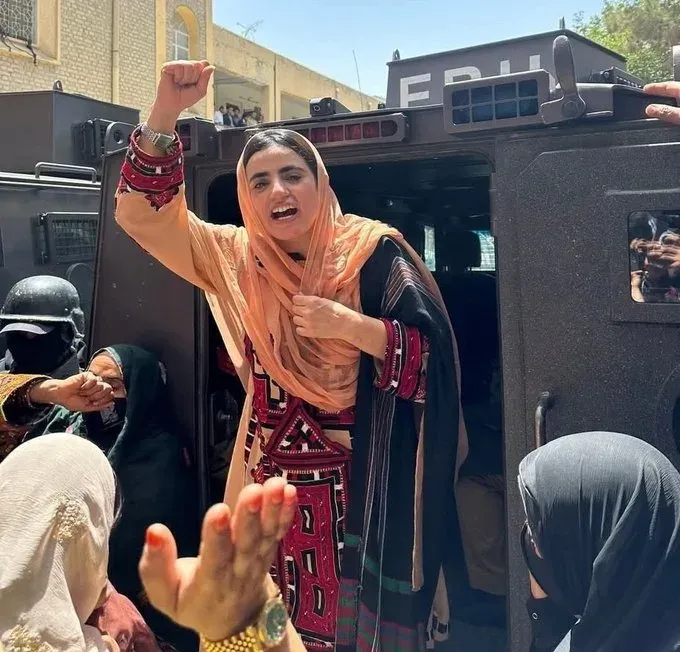
Detained activist Mahrang Baloch, issuing a statement from Huda Jail in Quetta, has called Pakistani Air Force strikes on Surab’s Gidar area an act of genocide — not a military operation. With over 30 civilians reportedly killed, including women and children, the incident has reignited global focus on Balochistan at a moment when Mahrang herself is serving a life sentence on charges her supporters call politically motivated.
Key Takeaways
Mahrang Baloch , BYC chief organiser, condemned Pakistani Air Force strikes on Surab’s Gidar area in Balochistan on 14 August .
Airstrikes reportedly killed more than 30 civilians , including women and children, and caused significant property damage.
Mahrang, speaking from Huda Jail, Quetta , called the strikes ‘genocide,’ not a military operation.
She alleged curfews, enforced disappearances, and mass killings have become routine across Balochistan in recent months.
On 22 June , a Pakistani anti-terrorism court sentenced Mahrang and three other activists to life imprisonment ; rights groups call the charges politically motivated.
Mahrang called on Baloch citizens to take to the streets in protest against the Surab attack.
Human rights activist and Baloch Yakjehti Committee (BYC) chief organiser Mahrang Baloch on 14 August sharply condemned Pakistani Air Force strikes on the Gidar area of Surab district in Balochistan, calling the bombardment a continuation of Baloch “genocide” rather than any legitimate military operation. Her statement was issued from Huda Jail in Quetta and posted on social media platform X.
What Happened in Surab
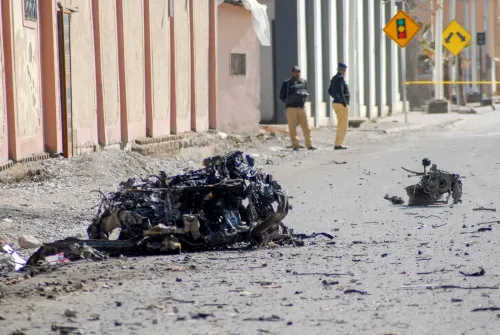
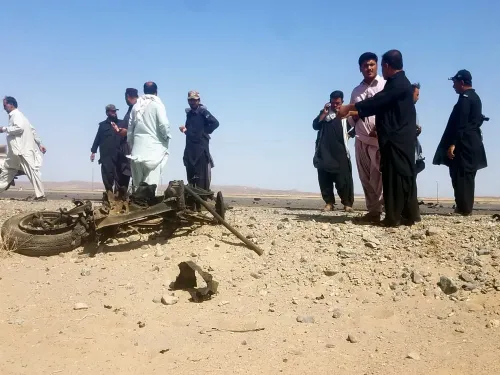
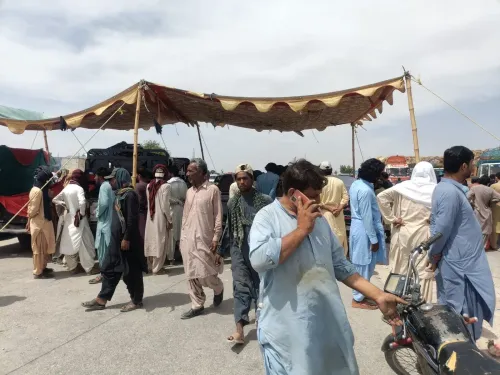
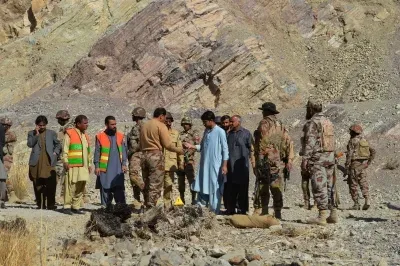
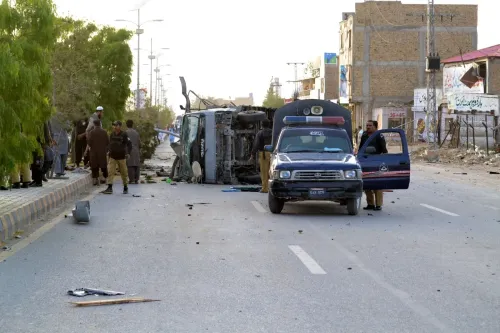
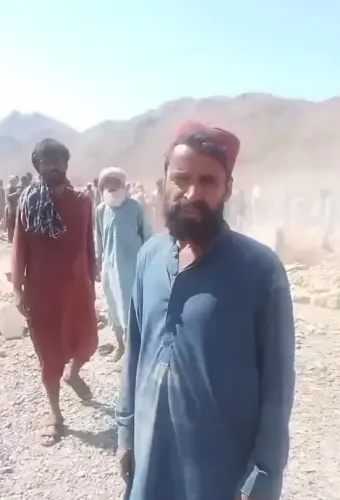
The airstrikes reportedly took place in the early hours of Tuesday, when Pakistani Air Force jets carried out what witnesses described as indiscriminate bombardment over residential zones in the Gidar area of Surab. According to reports, more than 30 civilians — including women and children — were killed, with several others injured and significant property damage recorded. Local residents responded by blocking roads and staging protests against the attack.
Mahrang Baloch’s Condemnation
Speaking from detention, Mahrang said: “If a state considers the mass killing of dozens of civilians, including children, resulting from bombing homes and populated areas as a routine operation, then this is not a military operation but genocide. The people of Surab blocking roads and protesting against this brutal and oppressive attack is an expression that the people will not remain silent against the protection of their lives and property and this mass killing.”
She further stated that Pakistan has governed the Baloch people for over seven decades through what she described as “continuous oppression,” and argued that this model of governance has now failed, with ordinary Baloch civilians again bearing the cost.
Broader Pattern of Alleged Repression
Mahrang described the Surab strikes as part of a wider pattern, alleging that “curfews, military operations, enforced disappearances, and mass killings have become routine in various areas of Balochistan” in recent months, often conducted under the guise of security. She added that many such incidents go unreported in state media, while Baloch communities witness and endure them daily.
“The Baloch genocide is not merely an internal issue of Balochistan but a global humanitarian tragedy. Until this genocide and its root causes are eliminated, any talk of peace is mere rhetoric and an escape from reality,” she said.
Mahrang called on the people of Balochistan to come out of their homes to protest against the Surab attack and resist what she characterised as ongoing repression by Pakistani forces.
Mahrang’s Legal Situation
Mahrang’s statement comes weeks after a Pakistani anti-terrorism court on 22 June sentenced her and three other activists to life imprisonment in connection with a case linked to the killing of a Frontier Corps official. Human rights defenders and international groups have alleged the charges are “false and politically motivated,” and the verdict drew widespread global condemnation. She remains in custody at Huda Jail in Quetta, from where she continues to issue public statements.
What Comes Next
The Surab airstrikes and Mahrang’s response are likely to intensify international scrutiny of Pakistan’s conduct in Balochistan. Human rights organisations and diaspora groups are expected to amplify calls for an independent investigation into civilian casualties. Whether Islamabad responds to the mounting pressure or doubles down on its security framing will be closely watched by rights monitors and regional observers alike.
Point of View
On charges widely regarded as politically motivated, underscores how ineffective detention has been as a tool of suppression. What is missing from the dominant narrative is any Pakistani government accounting of civilian casualties or an independent body count; without that, the “military operation” framing is impossible to verify and easy to contest. The pattern — airstrikes, curfews, enforced disappearances, followed by silence in state media — is not new to Balochistan, but the scale of reported civilian deaths in Surab and the international profile of the detainee speaking out make this iteration harder to contain.
NationPress
29 Sept 2026
Frequently Asked Questions
What happened in Surab, Balochistan?
Pakistani Air Force jets reportedly carried out strikes on the Gidar area of Surab district in Balochistan in the early hours of Tuesday, killing more than 30 civilians, including women and children, according to reports. Significant property damage was also recorded and local residents staged protests by blocking roads.
Who is Mahrang Baloch and why is she in jail?
Mahrang Baloch is a prominent human rights activist and the chief organiser of the Baloch Yakjehti Committee (BYC). A Pakistani anti-terrorism court sentenced her to life imprisonment on 22 June in connection with a case linked to the killing of a Frontier Corps official; human rights groups have called the charges false and politically motivated.
Why did Mahrang Baloch call the strikes genocide?
Mahrang argued that bombing homes and populated civilian areas — killing dozens including children — cannot be classified as a military operation. She said it fits a pattern of what she describes as systematic Baloch genocide, involving curfews, enforced disappearances, and mass killings across the province.
What is the Baloch Yakjehti Committee (BYC)?
The Baloch Yakjehti Committee is a civil society and human rights organisation that campaigns against alleged state repression in Balochistan. Mahrang Baloch serves as its chief organiser and is one of its most internationally recognised faces.
What happens next after the Surab airstrikes?
Human rights organisations and Baloch diaspora groups are expected to escalate calls for an independent international investigation into civilian casualties. The incident is likely to intensify scrutiny of Pakistan’s conduct in Balochistan at the United Nations and among Western governments already critical of Islamabad’s human rights record.