Pakistani airstrikes in Balochistan's Surab kill 30+ civilians, rights groups allege
Synopsis
Pakistani Air Force strikes on Balochistan's Surab district allegedly killed more than 30 civilians on 12 August, with Baloch activists claiming hospitals were blockaded and media access cut off. Rights groups are calling it a war crime and demanding an immediate international investigation — a charge Pakistan has not yet publicly addressed.
Key Takeaways
Pakistani Air Force strikes on Surab district, Balochistan on 12 August reportedly killed more than 30 civilians , including women and children.
Human rights defender Mir Yar Baloch alleged 'indiscriminate bombing' of civilian areas in Gidar , with hospitals surrounded by military personnel.
Sabiha Baloch of the Baloch Yakjehti Committee (BYC) described the killings as 'genocide' and alleged rescue teams, ambulances, and journalists were blocked from the area.
Baloch Voice for Justice (BVJ) called for an immediate, internationally monitored independent investigation and demanded those responsible be held accountable.
The UN , US , UK , and EU were urged to break their silence on what rights groups termed 'violence and war crimes' against Baloch civilians.
Independent verification remains difficult due to reported restrictions on media and humanitarian access to Surab .
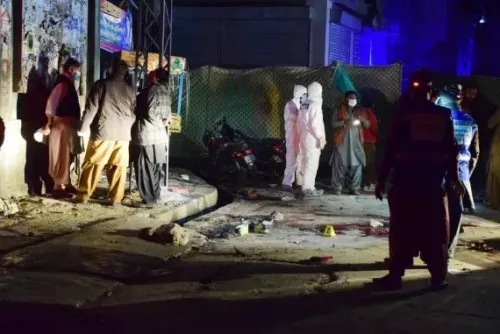
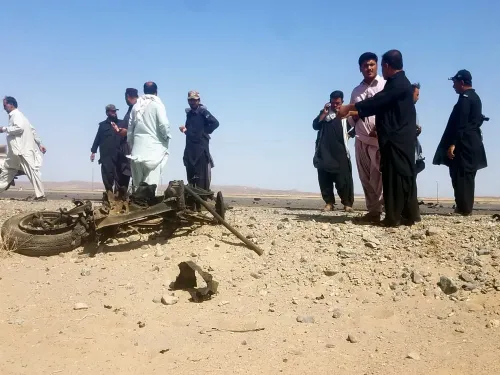
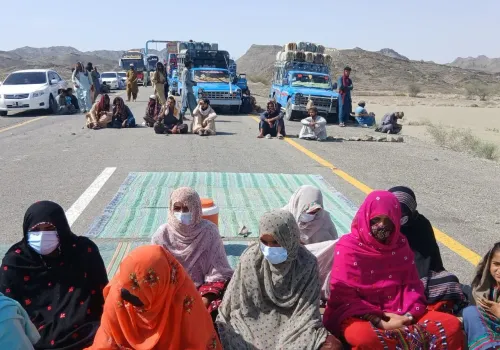
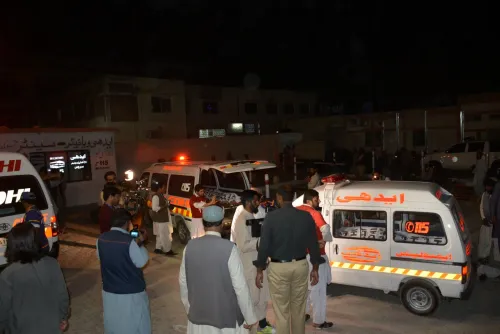
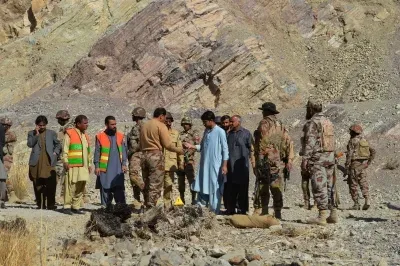
Pakistani Air Force strikes on the Gidar area of Surab district in Balochistan reportedly killed more than 30 civilians, including women and children, and injured several others, according to Baloch activists and human rights organisations who condemned the attacks on Wednesday, 12 August. The allegations have drawn urgent calls for an independent international investigation.
What Activists Are Alleging
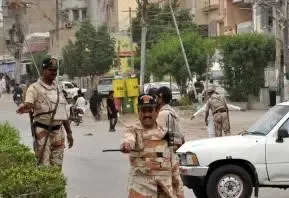
Human rights defender Mir Yar Baloch cited local reports describing the Pakistani Air Force carrying out what he called 'indiscriminate bombing' of civilian areas in Gidar. In a post on X, Mir stated that hospitals in the affected area had been surrounded by military personnel, with doctors and medical staff reportedly being intimidated and prevented from delivering timely care. He further noted that drones and Cobra gunship helicopters were continuing to patrol the skies over the region, and that some casualties occurred because injured civilians could not reach hospitals in time.
BYC Leader Describes It as 'Genocide'
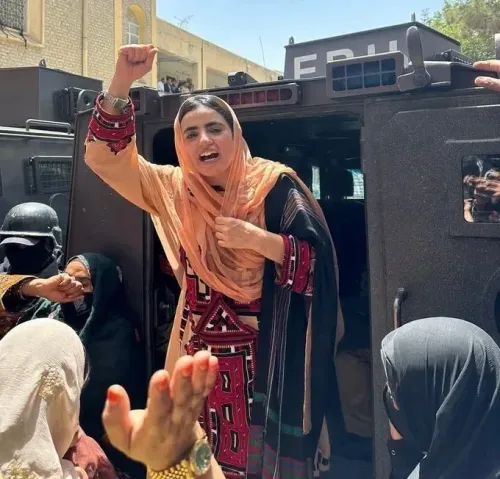
Sabiha Baloch, central leader of the Baloch Yakjehti Committee (BYC), condemned the strikes in a post on X, describing the killing of innocent Baloch civilians — including children — as 'genocide.' She alleged that Pakistani forces had surrounded the affected area, restricting access for rescue teams, medical staff, ambulances, and journalists. 'Blocking humanitarian assistance and independent documentation compounds the grave human rights violations and demands immediate international attention,' she wrote, urging journalists, medical teams, and humanitarian organisations worldwide to demand immediate access to the area.
Rights Body Demands International Accountability
Human rights organisation Baloch Voice for Justice (BVJ) called for an 'immediate, independent, transparent and internationally monitored investigation' into the incident. The BVJ stated that the identities and details of those killed and injured must be made public, and those responsible must be held accountable. It stressed that all military operations must comply with international humanitarian law and the principles governing the protection of civilian life.
The BVJ also urged the United Nations, UN human rights mechanisms, the United States, the United Kingdom, the European Union, and the broader international community to end what it described as silence over 'violence and war crimes' against civilians in Balochistan by Pakistani forces. 'The continued silence of the international community risks allowing such incidents to occur without accountability,' the organisation noted.
Context and What Comes Next
Balochistan has for years been the site of a low-intensity conflict between Pakistani security forces and Baloch separatist groups. Allegations of extrajudicial killings, enforced disappearances, and collective punishment have been documented by multiple international human rights bodies, though Pakistani authorities have consistently denied targeting civilians. Independent verification of the 12 August strikes remains difficult given reported restrictions on media and humanitarian access to Surab. Pressure is expected to mount on international bodies to demand access and accountability in the days ahead.
Point of View
Access blackouts, and competing narratives with no independent verification possible. What is different this time is the scale — over 30 civilian deaths alleged in a single incident — and the directness of the 'genocide' framing from organised Baloch civil society. The international community's silence, cited repeatedly by rights groups, is itself a policy choice; the UN and Western governments have leverage through aid and military cooperation with Islamabad that they have historically been reluctant to deploy. If the access blockade holds and no independent investigation materialises, this incident will likely follow the same trajectory as dozens before it: documented by diaspora activists, denied by the state, and forgotten by global institutions.
NationPress
26 Sept 2026
Frequently Asked Questions
What happened in Balochistan's Surab district on 12 August?
Pakistani Air Force strikes on the Gidar area of Surab district in Balochistan reportedly killed more than 30 civilians, including women and children, and injured several others, according to Baloch activists and human rights groups. Independent verification remains difficult as access to the area is reportedly restricted.
Who has condemned the Surab airstrikes?
Human rights defender Mir Yar Baloch, Sabiha Baloch of the Baloch Yakjehti Committee (BYC), and the Baloch Voice for Justice (BVJ) have all publicly condemned the strikes. They allege hospitals were blockaded, media access was cut off, and rescue teams were prevented from reaching survivors.
What is the Baloch Yakjehti Committee (BYC)?
The Baloch Yakjehti Committee is a Baloch civil society organisation that advocates for the rights of Baloch people and has been vocal in documenting and condemning alleged human rights violations in Balochistan. Its central leader Sabiha Baloch described the 12 August strikes as 'genocide.'
What are rights groups demanding after the Surab strikes?
The Baloch Voice for Justice has called for an immediate, independent, transparent, and internationally monitored investigation. It has also urged the UN, US, UK, EU, and other international bodies to demand accountability and ensure humanitarian access to the affected area.
Has Pakistan responded to the allegations?
No official Pakistani government or military response to the specific allegations about the Surab strikes has been reported. Pakistan has historically denied targeting civilians in Balochistan military operations.