Is Pakistan Legalizing Enforced Disappearances in Balochistan to Silence Dissent?

Synopsis
The Balochistan government’s recent approval of the 'Balochistan Prevention, Detention and Deradicalisation Rules 2025' raises serious concerns about the legality of enforced disappearances in the region. Critics argue that this move aims to silence dissent and suppress growing human rights violations, drawing attention from international organizations.
Key Takeaways
Recent approval of controversial rules.
Concerns about human rights violations.
International organizations are raising alarms.
Ongoing cases of enforced disappearances.
Government claims of resolution challenged.
Quetta, Jan 23 (NationPress) The provincial government of Balochistan, led by the controversial Chief Minister Sarfraz Bugti, has recently approved the 'Balochistan Prevention, Detention and Deradicalisation Rules 2025', a move that appears to legitimize enforced disappearances in the region, according to a recent report.
A cabinet meeting chaired by Bugti took place earlier this week, during which the editorial analysis in 'The Balochistan Post' revealed that a contentious decision was made to provide legal protection for enforced disappearances and to detain individuals who have been forcibly disappeared in custody centers. These detainees would be interrogated under supervision by police officers from the Counter-Terrorism Department.
The editorial stated, "The approval of the Balochistan Prevention, Detention and Deradicalisation Rules 2025 by a government established with the support of Pakistan’s powerful institutions is an attempt to legalize enforced disappearances in Balochistan. The clear aim is to stifle the rising movement against enforced disappearances and state repression, effectively silencing the families of those who have disappeared." It emphasized that categorizing forcibly disappeared individuals as 'suspects' and subjecting them to interrogation in detention centers rather than presenting them in court contradicts the fundamental human rights enshrined in the Constitution of Pakistan.
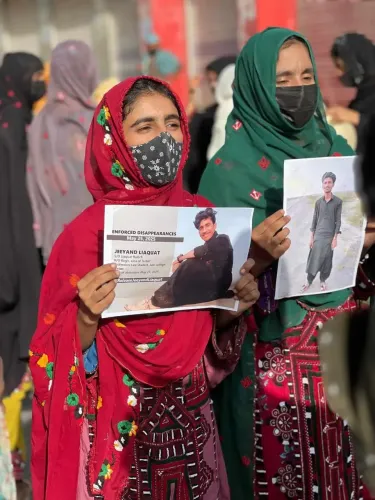
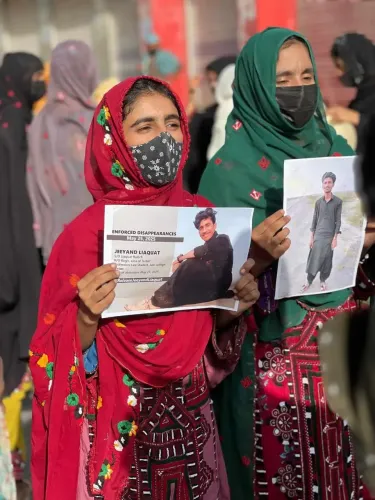
Despite numerous reports from organizations such as the United Nations, Amnesty International, and the Human Rights Commission of Pakistan, highlighting the human rights crisis of enforced disappearances in Balochistan, the provincial government continues to deny the existence of the issue. However, the approval of these new rules is perceived as an acknowledgment that state institutions are involved in these actions.
"The approval of these rules effectively grants state agencies a free hand to forcibly disappear political activists. Rather than resolving the issue, providing legal cover will only exacerbate the crisis. Enforced disappearances, regardless of the circumstances, are unconstitutional and a severe violation of human rights," the editorial asserted.
On January 21, a prominent human rights organization rejected the provincial government's claim that the issue of missing persons has been resolved, calling it “false and contradicting ground realities.”
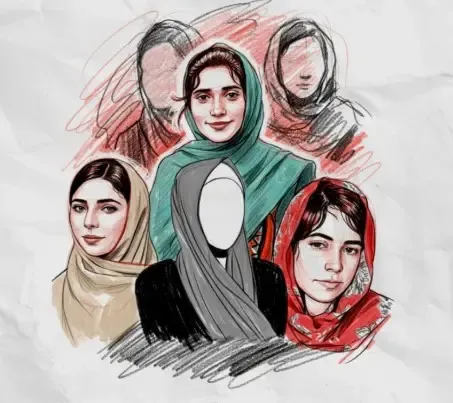
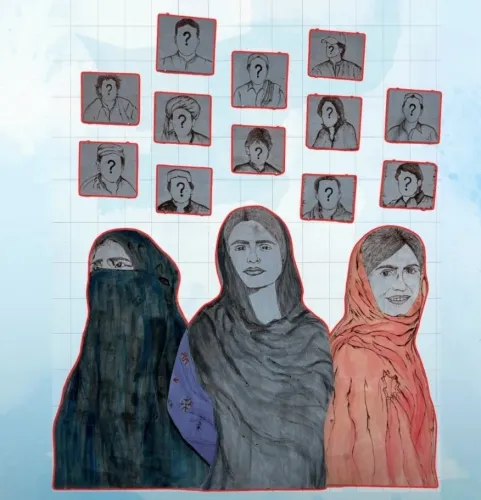
The Human Rights Council of Balochistan (HRCB) documented 1,455 cases of enforced disappearance for 2025, revealing that 1,443 were men and 12 were women. It reported that 1,052 individuals remain missing, highlighting the ongoing scale of illegal detentions and questioning the government’s claims of resolution.
Paank, the Baloch National Movement's Human Rights Department, also condemned the cabinet's approval of the Balochistan Centre of Excellence on Countering Violent Extremism Rules 2025, stating that the legislation does not resolve the issue of missing persons but instead attempts to legitimize enforced disappearances.
Point of View
It is crucial to emphasize that while the provincial government claims to address security concerns, the implications of legalizing enforced disappearances represent a significant threat to fundamental human rights. The nation must remain vigilant and hold authorities accountable to ensure that justice prevails for all citizens.
NationPress
29 Sept 2026
Frequently Asked Questions
What are the Balochistan Prevention, Detention and Deradicalisation Rules 2025?
These are new regulations approved by the Balochistan government that are perceived to provide legal cover for enforced disappearances in the region.
Who is Sarfraz Bugti?
Sarfraz Bugti is the Chief Minister of Balochistan, known for his controversial leadership and policies.
What organizations have raised concerns about enforced disappearances?
Notable organizations include the United Nations, Amnesty International, and the Human Rights Commission of Pakistan.
How many cases of enforced disappearances have been documented in Balochistan?
The Human Rights Council of Balochistan documented 1,455 cases of enforced disappearance in 2025.
What is the government's stance on missing persons?
The Balochistan government has claimed that the issue of missing persons has been resolved, a statement challenged by human rights organizations.