Will Bangladesh Elections Restore Stability After a Decade of Turmoil?
Synopsis
As Bangladesh heads towards pivotal elections in February, former R&AW officer Amar Bhushan sheds light on the complex political landscape, projecting a long road to recovery for the nation. Amidst rising tensions and potential chaos, the future of India-Bangladesh relations hangs in the balance.
Key Takeaways
Bangladesh elections are set for February with hopes for stability.
Former R&AW officer Amar Bhushan predicts a decade of recovery.
The BNP is likely to win, but challenges await.
India's approach should emphasize cautious support.
The legacy of the Liberation Movement endures among Bangladeshis.
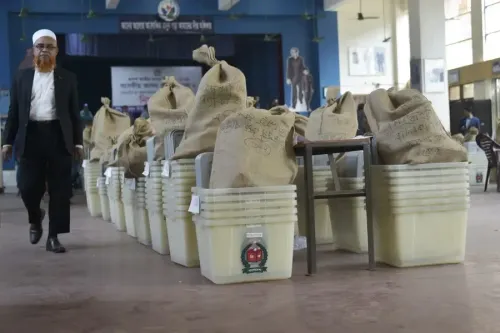
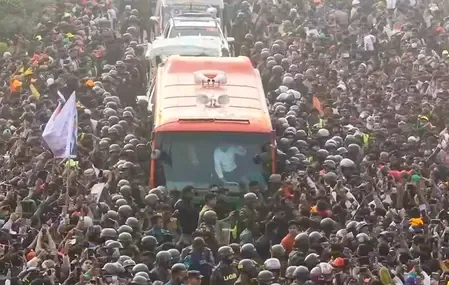
New Delhi, Jan 12 (NationPress) The spotlight is firmly on Bangladesh with elections slated for February. Many are optimistic that the nation can reclaim stability and put an end to ongoing violence.
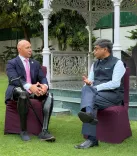
Amar Bhushan, a former officer with the Research and Analysis Wing (R&AW) and someone who has spent considerable time in Bangladesh, shares insights about the current landscape and its future. During his tenure, he was among the first to raise alarms about illegal immigration, highlighting a systematic strategy by the ISI and Jamaat-e-Islami aimed at pressuring bordering Indian states.
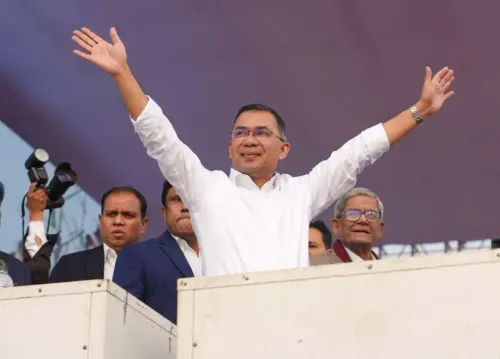
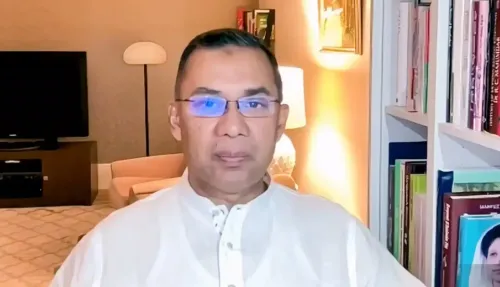
Bhushan asserts that while elections are essential, Bangladesh will require at least a decade to recover from its current predicament. He believes that the Bangladeshi Nationalist Party (BNP) is positioned to secure victory; however, he cautions that even Tarique Rahman might struggle to manage the nation effectively in the initial years.
India has been actively engaging with BNP leaders since the removal of Sheikh Hasina, hoping for a reset in relations post-elections. Bhushan recommends that India should offer quiet support to the BNP while avoiding immediate financial aid or heavy investments, emphasizing that a transactional approach is vital. He stresses that patience is key, and India’s current strategy is prudent.
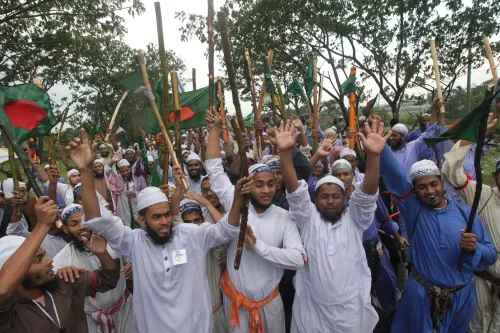
He further notes the need for a subtle and non-aggressive approach. Following Hasina’s departure and Mohammad Yunus being appointed as caretaker of the interim government, Bangladesh has descended into chaos. The ISI and Jamaat have unleashed radicals, creating unrest, a situation that Yunus has largely ignored.
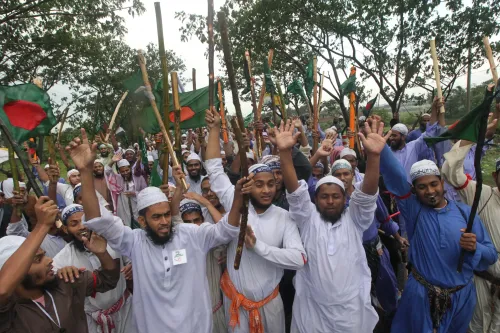
According to intelligence reports, there are efforts by the ISI to foster anti-India sentiments among Bangladeshis. However, Bhushan believes this plan will fail, as the majority of Bangladeshis hold no fondness for Pakistan. He states that had they desired alignment with Pakistan, they wouldn’t have fought for their independence. Even now, a hypothetical vote on Pakistan would yield overwhelmingly negative results, he asserts.
The legacy of the Liberation Movement remains vivid in the minds of Bangladeshis, and that spirit cannot be extinguished by the ISI or Jamaat, Bhushan states.
Recent opinion polls indicate that the Jamaat is gaining ground against the BNP ahead of the elections. Bhushan expresses skepticism about the Jamaat's chances of winning, recalling their historical role as oppressors during the Liberation Movement. Should the Jamaat ascend to power, chaos would likely ensue, he warns.
When asked about the possibility of India maintaining diplomatic ties with the Jamaat if they win, Bhushan suggests it is feasible, drawing parallels to India’s past engagement with the Taliban. Nonetheless, he advises that India should apply pressure on the Jamaat, as the electorate is not inclined towards radicalism. Bangladeshis cherish their freedom, making it unlikely they would support an ISI-backed Jamaat.
Bhushan notes that the Bangladeshi military could have effectively dealt with the Jamaat and ISI issues but is currently fragmented, allowing Yunus, Jamaat, and ISI to exploit the situation.
“In my assessment, the Jamaat will secure only 20-25 seats. The populace opposes the imposition of Sharia law that the Jamaat advocates,” Bhushan concludes.
Addressing illegal immigration, Bhushan states that it will persist regardless of the governing party. India must enhance its border defenses and utilize advanced surveillance to control this issue, as foreign entities will continue to meddle in Bangladesh's affairs, inevitably causing India indirect challenges.
Point of View
The unfolding political situation in Bangladesh is critical for regional stability. The relationship between India and Bangladesh is intricately linked to the outcomes of these elections. A balanced approach, with an emphasis on diplomacy and cautious support, will be vital as the nation navigates through its tumultuous landscape.
NationPress
29 Sept 2026
Frequently Asked Questions
What are the implications of the upcoming elections in Bangladesh?
The elections could define Bangladesh's political stability and its future relationship with India.
Who is expected to win the elections?
Current assessments suggest the BNP is likely to secure a victory, but challenges lie ahead.
How might India respond to a BNP victory?
India is expected to offer quiet support while cautiously managing its diplomatic relations.
What is the impact of illegal immigration on India-Bangladesh relations?
Illegal immigration remains a significant issue, prompting India to enhance border security measures.
Can the Jamaat form a government?
While polls indicate the Jamaat is gaining ground, their historical context suggests they may face significant challenges.