Is Bangladesh's Upcoming Election a Test for the Post-Sheikh Hasina Landscape?
Synopsis
As Bangladesh approaches its pivotal general election on February 12, the political dynamics are shifting. The BNP seems to gain an advantage over Jamaat-e-Islami, but Hindu voters report feeling pressured by both parties. How will this election redefine the nation’s political landscape? Read on to discover the implications of this highly contested vote.
Key Takeaways
Bangladesh's election on February 12 is crucial for its political future.
The BNP is leading in polls but faces challenges.
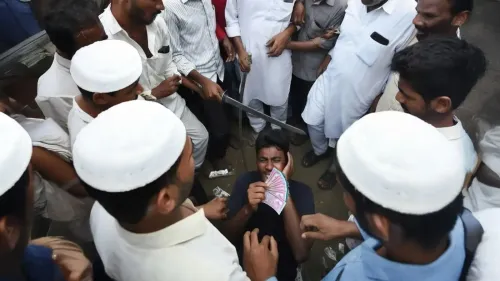
Hindu voters feel intimidated by both main political parties.
The Awami League's absence may shift voter dynamics.
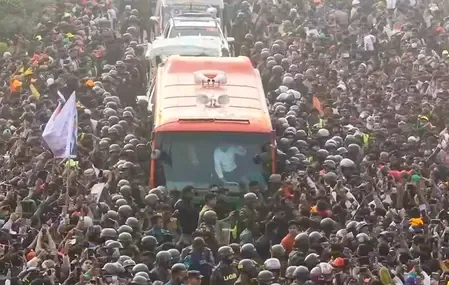
Tarique Rahman's return has galvanized BNP supporters.
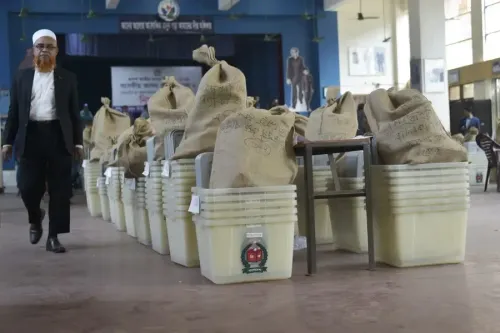
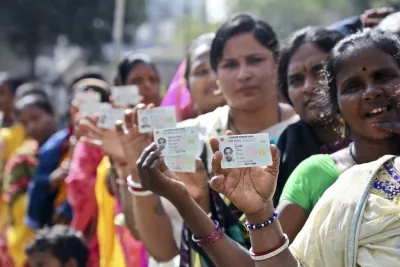
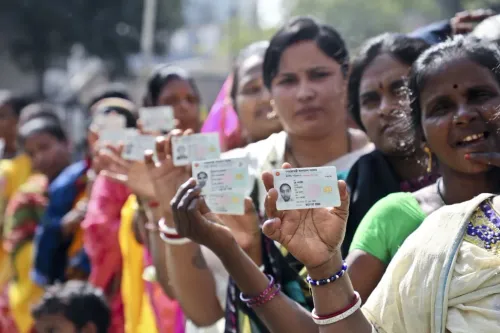
Dhaka, Jan 21 (NationPress) The general election in Bangladesh on February 12 will act as a referendum on the political landscape following Sheikh Hasina's tenure. The Bangladesh Nationalist Party (BNP) appears to hold a lead over Jamaat-e-Islami, while Hindu voters express feelings of intimidation from both factions, according to a recent report.
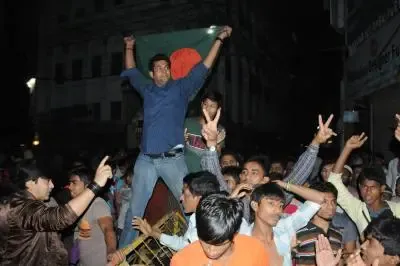
“Bangladeshis are set to cast their votes in the 13th general election on February 12. This election is critical; it marks the first since the student-led protests led to the ousting of the Sheikh Hasina government in August 2024. Despite the Awami League (AL) not participating, its supporters are expected to significantly influence the outcome,” states an article in The Diplomat.
Religious minorities, accounting for 8-10% of the population in the predominantly Muslim nation, have previously supported the Awami League, as highlighted in the opinion piece.
Currently, the BNP is resorting to fear-mongering, cautioning minorities of potential violence should Jamaat gain power, while the latter threatens violence against AL supporters if they do not back the Islamists, the article notes.
Interestingly, both parties are attempting to revamp their images to attract AL supporters.
Once allies, Jamaat leaders held ministerial roles in the BNP-led government from 2001-2006. Their shared opposition to Hasina kept them united for years. “With the AL currently absent from the political scene, the bond that once united the BNP and Jamaat has dissipated,” the article asserts. “Over the past year, differences on issues like constitutional reforms and election timing have come to the forefront.”
According to opinion polls, the BNP is projected to lead, with forecasts suggesting outcomes ranging from a decisive victory to a closely contested race.
“Following the AL's fall, BNP supporters exhibited unruly behavior, leading to a decline in the party's public image,” the article observes.
Additionally, the return of Khaleda Zia's son, BNP Acting Chairperson Tarique Rahman, from the UK has reinvigorated party supporters, and Khaleda’s death has sparked a wave of sympathy, as noted.
With the AL absent, analysts are keenly observing how its supporters will respond—whether they will abstain, split their votes, or rally behind the BNP to thwart other parties from gaining traction.
Despite seemingly favorable polling data, the BNP confronts uncertainties concerning voter turnout, the influence of regional and Islamist parties, and the possibility of last-minute alliances or defections.
Point of View
I believe that the upcoming election is not just about political competition; it represents a critical juncture for Bangladesh. The anxiety among religious minorities reflects broader societal tensions that must be addressed. It is essential for all parties to foster an environment of inclusivity and safety for every citizen, ensuring that the democratic process is upheld.
NationPress
24 Sept 2026
Frequently Asked Questions
What is the significance of the February 12 election in Bangladesh?
The February 12 election is pivotal as it will determine the future political landscape of Bangladesh following Sheikh Hasina's government, marking the first election since her ouster.
How are Hindu voters feeling ahead of the election?
Hindu voters in Bangladesh are expressing feelings of intimidation from both the BNP and Jamaat-e-Islami, raising concerns about their safety and representation.
What role does the Awami League play in this election?
The Awami League, though not contesting, is expected to significantly influence the outcome through its supporters, making its absence crucial in the political dynamics.
What challenges does the BNP face in this election?
Despite leading in polls, the BNP faces uncertainties regarding voter turnout and potential alliances or defections that could impact their chances.
Why is the return of Tarique Rahman significant for the BNP?
Tarique Rahman's return has energized BNP supporters, especially following Khaleda Zia's death, which has fostered a sympathy wave for the party.