Are Multiple Political Conflicts Threatening Stability in Bangladesh?
Synopsis
As Bangladesh approaches its parliamentary elections, the nation grapples with rising political tensions that threaten to destabilize the country. The interim government faces immense challenges in maintaining order and ensuring a fair electoral process amid escalating rivalries.
Key Takeaways
Political tensions are rising as elections approach.
The interim government faces challenges in ensuring fair elections .
Protests are fueled by dissatisfaction with reform delays .
The ban on Awami League complicates the political landscape.
Rivalries between BNP and JI could lead to instability .
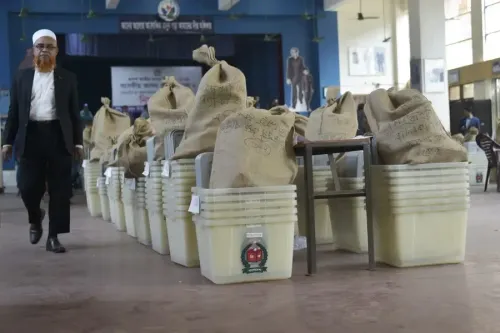
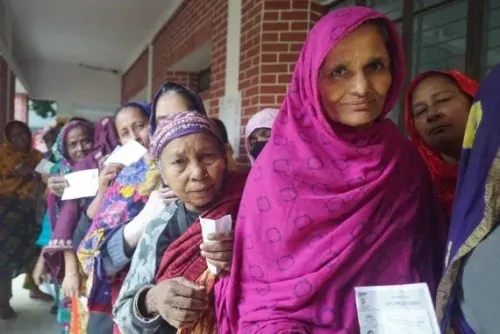
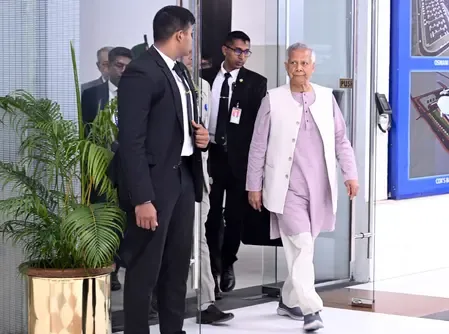
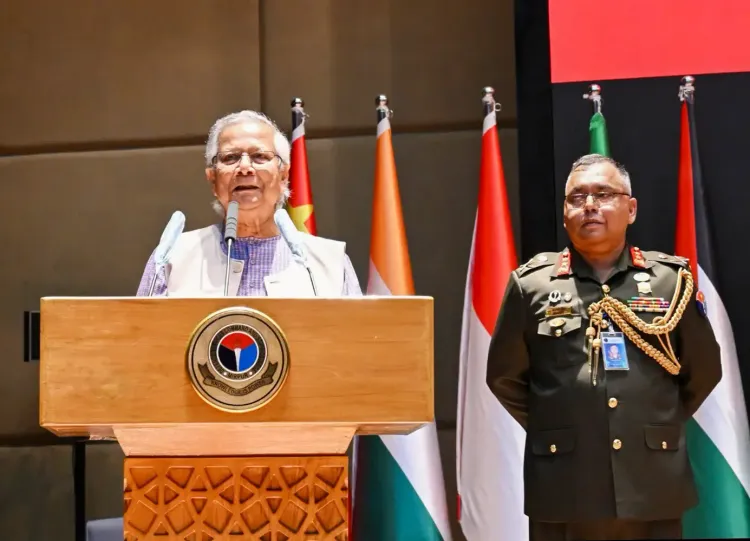
Dhaka, Dec 13 (NationPress) With the parliamentary elections on the horizon in Bangladesh, ongoing conflicts across various political fronts pose a serious risk to the nation’s stability. These tensions present a formidable challenge for the interim government, led by Muhammad Yunus, which is responsible for ensuring a peaceful and credible electoral process, according to a report released on Saturday.
The report highlights that the Awami League, previously led by former Prime Minister Sheikh Hasina, is currently barred from participating in the elections. This situation has created a political vacuum that may intensify confrontations between the Bangladesh Nationalist Party (BNP) and the radical Islamist party Jamaat-e-Islami (JI), both of which have long been rivals of the Awami League.
“Historically, these parties have found common ground against Hasina, but they are now competing for power and influence. The rivalry between the BNP and JI could further destabilize the political landscape as they seek dominance in a post-Hasina environment. Additionally, internal strife within both parties may escalate unrest,” the report from ‘The Diplomat’ elaborates.
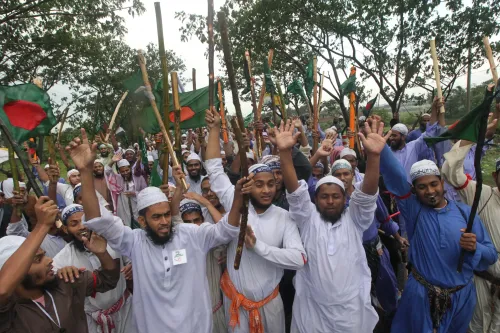
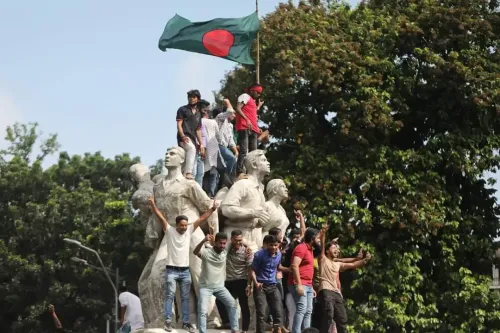
Furthermore, the interim government has faced a surge of protests regarding postponed reforms, revealing deep-seated divisions over the election timeline.
For several months, Yunus has not provided a definitive election schedule, attracting harsh criticism from various political factions. Eventually, he announced elections for June 2026, but escalating pressure forced him to move the date up first to April, and then to February 2026.
In response, the Awami League rejected the newly announced election timetable, asserting that the Yunus administration cannot guarantee a free and fair electoral process.
The report cautions that, given the recent developments, the political climate remains exceedingly unstable, with a heightened risk of unrest.
“Hasina’s son and key advisor, Sajeeb Wazed, previously warned that Awami League supporters would take to the streets and obstruct elections if the ban on his mother’s party is not lifted in time for the February elections. He emphasized that both he and Hasina are in contact with party leaders and activists, threatening massive protests and potential clashes. He claimed that the party has 'hundreds of thousands of activists' and 'millions of supporters' ready to mobilize,” the report indicates.
These threats of unrest complicate an already tense political environment in Bangladesh.
“As political divides deepen and the Awami League's warnings of confrontation add to the volatility, the interim government’s ability to uphold law and order, mediate between rival factions, and ensure a peaceful electoral process will be pivotal in averting further chaos,” it concluded.
Point of View
It is crucial to recognize the growing tensions in Bangladesh's political arena. The ongoing conflicts among various parties not only threaten stability but also challenge the interim government's ability to conduct free and fair elections. The situation demands careful monitoring and responsible reporting to ensure the public remains informed.
NationPress
7 Oct 2026
Frequently Asked Questions
What are the main political parties involved in the current conflicts in Bangladesh?
The main political parties involved are the Bangladesh Nationalist Party (BNP), Jamaat-e-Islami (JI), and the Awami League, which is currently barred from contesting the elections.
What is the role of the interim government in Bangladesh's elections?
The interim government, led by Muhammad Yunus, is responsible for overseeing the electoral process and ensuring it is conducted peacefully and fairly.
Why are there protests in Bangladesh regarding the elections?
Protests have erupted due to delayed reforms and dissatisfaction with the election timetable, which many political parties believe compromises the credibility of the electoral process.
What are the potential consequences of the current political tensions?
The ongoing political tensions could lead to increased unrest, violence, and instability in Bangladesh, particularly as rival factions vie for power.
How might the situation in Bangladesh affect its citizens?
Citizens may face challenges such as increased political violence, disruptions to daily life, and uncertainty regarding the electoral process, all of which could impact their safety and security.