Will Bangladesh Make a Political Shift Today in Its First Election Since 2024 Protests?
Synopsis
Bangladesh is on the brink of pivotal parliamentary elections today, the first since the nation witnessed significant protests leading to the fall of former Prime Minister Sheikh Hasina. With the BNP poised for a likely victory and a notable increase in young voters, this election could reshape the country's political landscape.
Key Takeaways
Bangladesh holds pivotal parliamentary elections today.
BNP is projected to win, but Jamaat-e-Islami may surprise.
High voter turnout expected, especially among youth.
Significant reforms proposed in the National Charter.
Extensive security measures deployed nationwide.
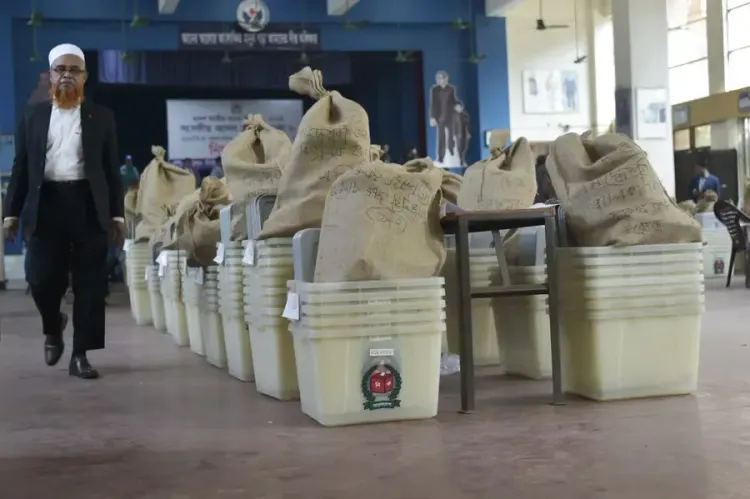
Dhaka, Feb 12 (NationPress) Bangladesh is preparing to conduct its pivotal parliamentary elections today, marking nearly 18 months since the fall of former Prime Minister Sheikh Hasina’s 15-year administration due to widespread protests.
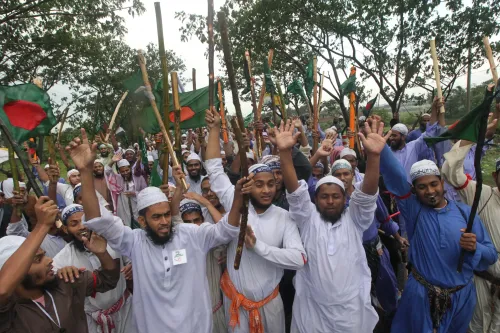
In the interim, the country has been overseen by a temporary government, amidst ongoing protests, the emergence of radical Islamic factions, and violence against minority groups.
Analysts predict a considerable transformation in the political scene with the establishment of a democratically elected administration, with the Bangladesh National Party (BNP) anticipated to secure a victory.
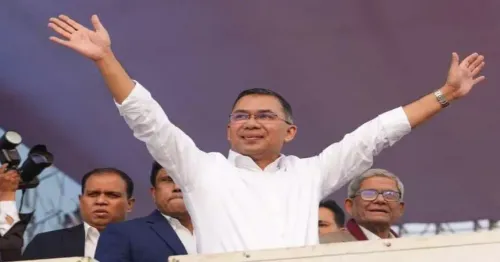
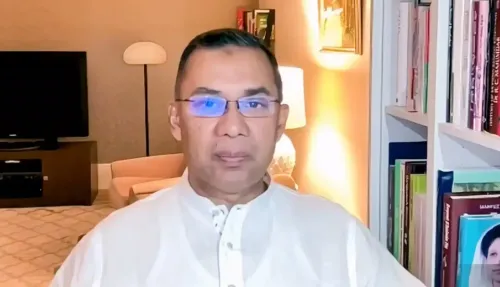
After the recent passing of former Prime Minister Khaleda Zia, her son, Tarique Rahman, has taken the reins of the BNP and is viewed as a strong candidate for the Prime Minister’s office.
The BNP faces stiff competition from the Bangladesh Jamaat-e-Islami, a hardline Islamic party that had previously allied with the BNP. While many political analysts foresee a BNP triumph, there are indications that Jamaat-e-Islami might achieve its best electoral results yet.
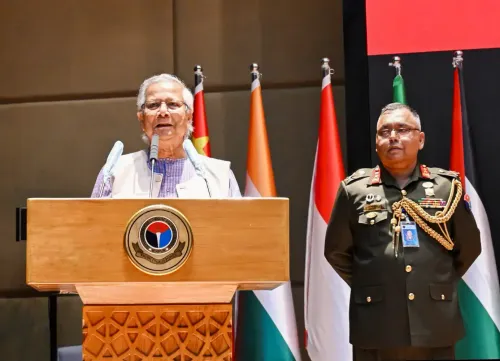
In the aftermath of Sheikh Hasina’s ousting last year, Muhammad Yunus, the Chief Advisor of the interim government, has disbanded the Awami League, barring its participation in the election.
The Awami League condemned this move, labeling the upcoming elections a “staged event” and accusing the BNP, Jamaat, and their affiliates of exerting pressure and intimidation on both party members and the general public to “compel them to vote”.
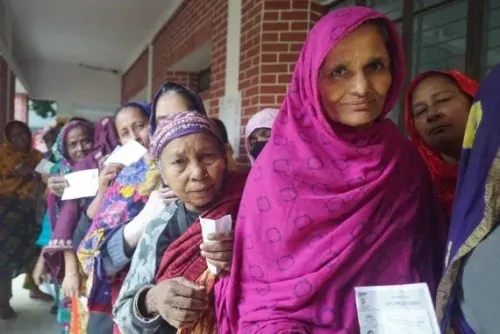
A notable turnout is anticipated, particularly from younger voters in their 20s and 30s, participating for the first time since the lengthy reign of Sheikh Hasina, which concluded in August 2024.
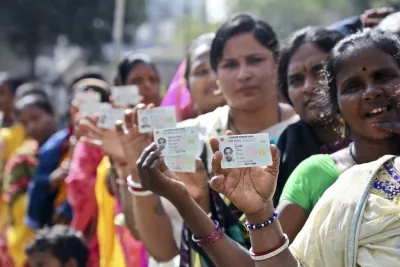
The demographic aged between 18 and 37 makes up about 44% of Bangladesh's electorate, which consists of approximately 127 million registered voters.
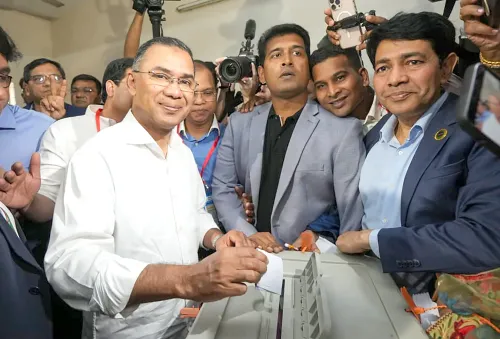
Voting for the 13th National Parliament elections and the 2026 referendum will take place across 299 parliamentary constituencies from 7:30 a.m. to 4:30 p.m., with vote counting to begin immediately after polls close.
As reported by the prominent Bangladeshi daily The Dhaka Tribune, over 127 million voters are expected to participate in the parliamentary election, coinciding with a nationwide referendum that could significantly reshape Bangladesh’s constitutional framework.
The proposed July National Charter outlines “extensive constitutional reforms”, which include a two-term limit for the prime minister, reestablishing a neutral caretaker government for future elections, and creating an upper house of parliament with 100 nominated members alongside the 350 elected representatives.
Out of the 127.7 million registered voters, 62.88 million are women, according to The Dhaka Tribune. Notably, around 2.7 million women are registering as first-time voters, surpassing the 1.87 million newly registered male voters.
In various constituencies, especially in the Khulna division, female voters are outnumbering males, leading political parties to increasingly tailor their campaign messages to address women’s issues.
Despite this surge in participation, the representation of women among candidates remains low. Only 83 women candidates—comprising 63 party nominees and 20 independents—are vying for election, representing roughly four percent of all candidates.
To ensure a secure electoral environment, authorities have deployed around 958,000 security personnel nationwide, with heightened presence in sensitive areas. Additionally, over 100,000 military personnel are on standby to maintain order and facilitate a smooth voting process.
Point of View
I assert that Bangladesh's electoral process today represents a vital moment in the nation's history. With new political dynamics and an engaged youth electorate, the outcome will shape not only governance but the future of democracy in Bangladesh. Our commitment is to provide unbiased, accurate coverage as the situation unfolds.
NationPress
17 Oct 2026
Frequently Asked Questions
What is the significance of today's elections in Bangladesh?
Today's elections mark a crucial turning point, coming nearly 18 months after widespread protests led to the fall of Sheikh Hasina's government. It represents a chance for democratic restoration.
How many registered voters are participating?
Approximately 127 million registered voters are expected to participate, including a significant number of first-time voters.
What reforms are proposed in the July National Charter?
The proposed reforms include a two-term limit for the prime minister, a neutral caretaker government for elections, and the establishment of an upper house of parliament.
How is voter turnout expected among young citizens?
A notable increase in participation from voters aged 18 to 37 is anticipated, making up about 44% of the electorate.
What security measures are in place for the elections?
Around 958,000 security personnel and over 100,000 army personnel have been deployed to ensure a secure voting environment.