Did BNP Just Achieve a Landmark Victory in Bangladesh's Election?
Synopsis
In a historic election aftermath of the 2024 uprising, BNP claims victory, pledging to rebuild Bangladesh. With significant support, they plan reforms and tackle governance challenges. Prime Minister Modi extends congratulations, marking a pivotal moment for democracy in the nation.
Key Takeaways
BNP claims significant victory in recent elections.
Party pledges to focus on rebuilding and reforms.
Tarique Rahman expected to lead as prime minister.
Voter turnout reflected strong public support for change.
Constitutional reforms endorsed by the electorate.
Dhaka/New Delhi, Feb 14 (NationPress) The Bangladesh Nationalist Party (BNP) has announced a significant victory in the nation's first general election following the 2024 student-led uprising that ousted former Prime Minister Sheikh Hasina's Awami League administration.
In a statement on X, the BNP emphasized its “long struggle” to restore democratic voting rights, recognizing the sacrifices made by numerous leaders and activists who faced enforced disappearances and oppression under prior governments.
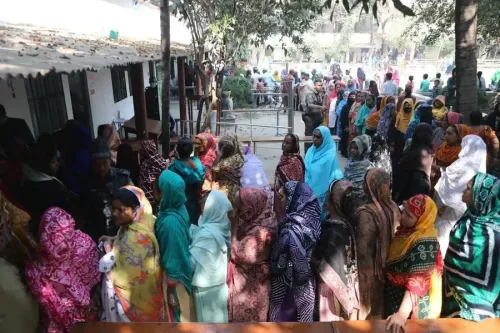
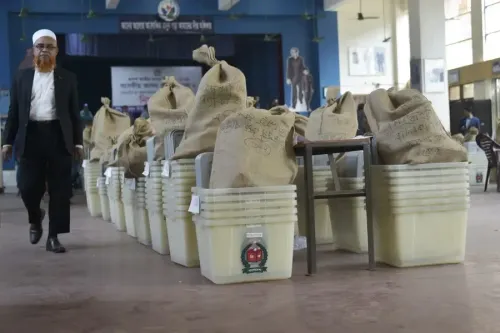
The party referred to February 12 as the long-anticipated Election Day, where citizens exercised their democratic rights with overwhelming enthusiasm, resulting in what they termed a decisive victory.
Expressing deep appreciation to the people of Bangladesh, the BNP vowed to “work diligently to rebuild the nation,” highlighting the motto “Bangladesh first, always.”
The statement encapsulated the party's narrative of resilience and dedication to democracy after enduring years in opposition.
Unofficial results from the Election Commission suggest that the BNP-led coalition achieved a stunning majority, securing approximately 209 to 212 seats in the 300-member Jatiya Sangsad (excluding reserved seats), significantly surpassing the 151 needed for a clear majority. The opposing coalition led by Jamaat-e-Islami trailed with around 68-77 seats.
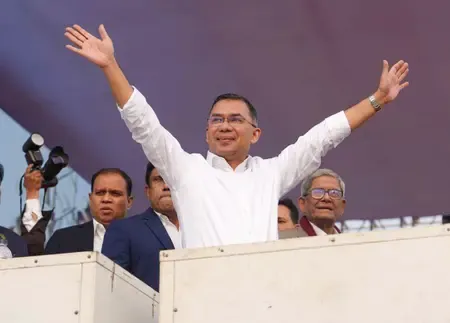
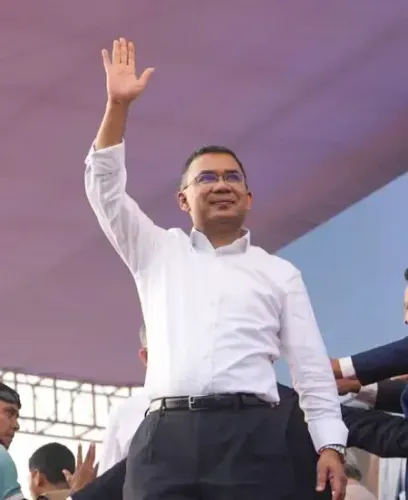
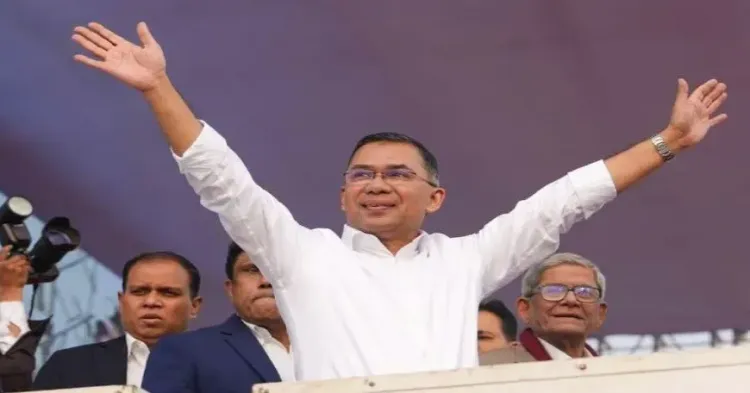
While final official counts are pending, the BNP is poised to swiftly form the government, with its leader, Tarique Rahman, anticipated to become the next prime minister.
This election signifies a crucial turning point in Bangladesh's political landscape, following the July 2024 mass protests that compelled Hasina into exile in India and led to an interim government under Muhammad Yunus.
Voters also supported constitutional amendments in a concurrent referendum, such as term limits for prime ministers, a bicameral parliament, and improved representation for women, all changes advocated by the youth movement.
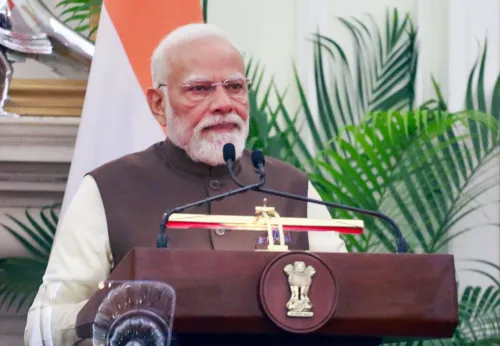
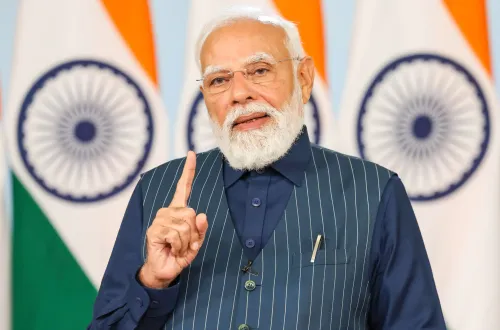
Prime Minister Narendra Modi congratulated Tarique Rahman and expressed support for a democratic Bangladesh.
The party has long condemned the previous government's authoritarian practices and electoral misconduct, framing this victory as a restoration of the people's power.
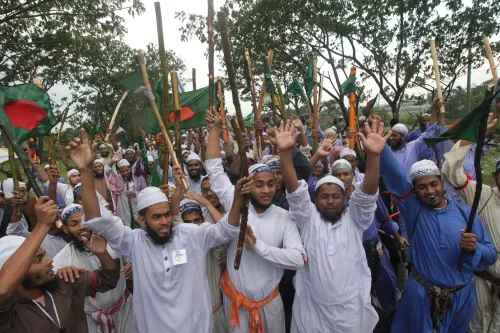
As celebrations erupted outside BNP offices in Dhaka, attention now turns to governance challenges, including economic recovery, institutional reforms, and addressing the priorities of Gen Z participants in the uprising.
Point of View
It's essential to approach this news with a balanced lens. The BNP's victory not only reflects the aspirations of the Bangladeshi populace but also underscores the importance of democratic processes. With the nation looking towards a new chapter, it is vital to ensure that governance remains transparent and responsive to the needs of all citizens.
NationPress
5 Oct 2026
Frequently Asked Questions
What does the BNP victory mean for Bangladesh?
The BNP victory signifies a potential shift towards a more democratic governance structure, promising reforms and addressing the demands of the youth.
Who is expected to be the next prime minister?
Tarique Rahman, the leader of the BNP, is widely anticipated to become the next prime minister following this election.
What reforms are being proposed?
Proposed reforms include term limits for prime ministers, a bicameral parliament, and increased representation for women.
How did the elections unfold?
The elections occurred on February 12, 2024, with the BNP claiming a decisive majority, surpassing the required seats for governance in a historic turnout.
How has international leadership reacted?
Prime Minister Narendra Modi has congratulated the BNP leader, emphasizing support for a democratic Bangladesh.