SC hears PIL to make Right to Sports a Fundamental Right under Article 21A
Synopsis
The Supreme Court's observation that children are 'totally getting away from fields' in the digital age adds judicial weight to a PIL seeking to make sport a constitutional right — not a privilege. The petitioner's push to keep 'physical literacy' out of the equation signals a deeper battle over what the state owes every child beyond a classroom.
Key Takeaways
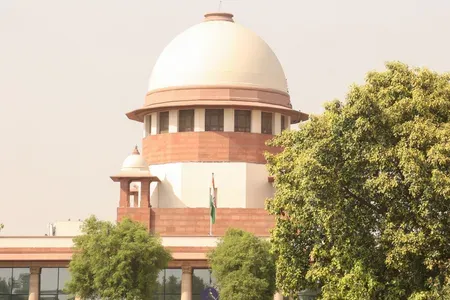
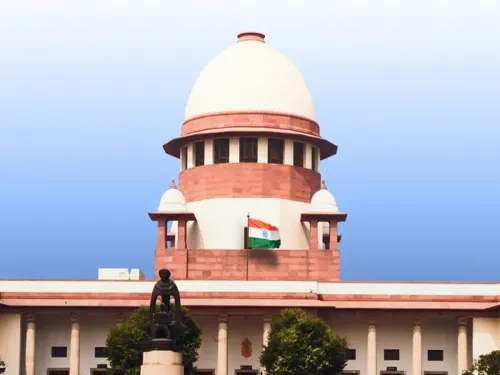
The Supreme Court heard a PIL on 20 August seeking recognition of the Right to Sports as a Fundamental Right under Article 21A of the Constitution.
Petitioner Dr Kanishka Pandey objected to the Amicus Curiae report submitted in 2022 , which focused on 'physical literacy' rather than sports broadly.
The court observed that children are 'totally getting away from fields' in the digital age, signalling sympathy with the petition's premise.
The petitioner argued that sports , physical education , and physical literacy are three distinct concepts and cannot substitute one another.
The PIL frames sport as a tool for public health , youth development , social cohesion , and nation building — not merely competitive achievement.
The matter remains under consideration before the Supreme Court; no verdict has been delivered.
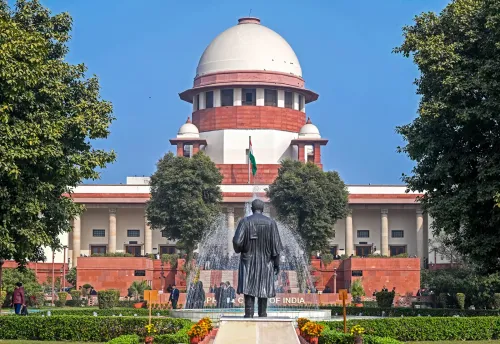
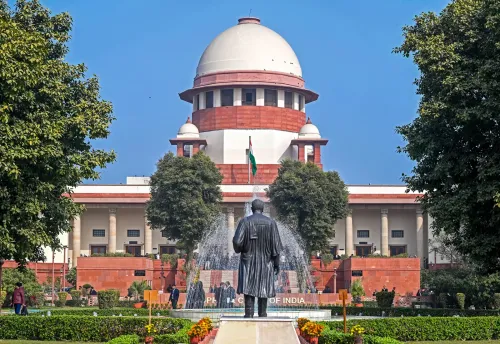
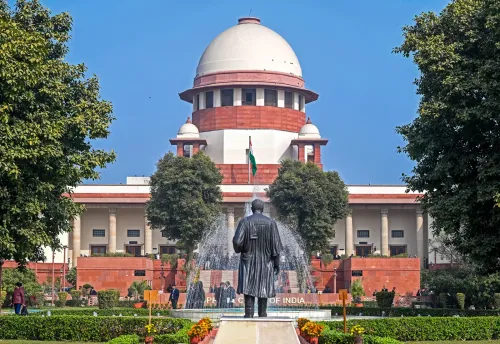
The Supreme Court of India on Thursday, 20 August took up a Public Interest Litigation (PIL) seeking constitutional recognition of the Right to Sports as a Fundamental Right under Article 21A of the Constitution. The petitioner, Dr Kanishka Pandey, urged the court not to reduce the broader constitutional question of access to sport to the narrower concept of 'physical literacy'.
What the Court Observed
The bench acknowledged the significance of the petition, remarking: 'This is a laudable request. This is absolutely essential. And now in this digital age, children are totally getting away from fields.' The observation signals judicial receptiveness to the core argument that sport is being crowded out by screen time among children.
The Core Argument: Sports vs Physical Literacy
The PIL, originally filed by Dr Pandey, rests on the premise that participation in sport is integral to the holistic development of children and citizens, and must not remain contingent on individual privilege, institutional discretion, or competitive achievement. After the PIL was filed, the court had appointed an Amicus Curiae to assist proceedings; a report was submitted in 2022. The petitioner, however, raised objections to that report's emphasis on 'physical literacy' rather than sport in its fuller sense.
Dr Pandey argued that sports, physical education, and physical literacy are three distinct concepts and cannot be used interchangeably. Substituting the Right to Sports with physical literacy, he contended, would fundamentally alter the PIL's original scope and purpose.
Sport as a Social and Developmental Tool
The petition advances a broader vision of sport — one that extends well beyond medals and elite performance. According to the petition, sport contributes to physical and mental well-being, personality development, discipline, leadership, confidence, resilience, teamwork, and character building. It can also address stress, anxiety, and social isolation, while fostering stronger communities through inclusion and cohesion.
Dr Pandey submitted that sport can simultaneously serve as an instrument of education, public health, youth development, community building, social development, and nation building.
Petitioner's Statement to the Court
Arguing before the bench, Dr Pandey said: 'The purpose of this PIL has never been limited to producing champions or winning medals. Sport is much larger than competitive excellence. It shapes individuals, strengthens communities and contributes to physical, mental and social development. Physical literacy, physical education and sport may complement each other, but they cannot substitute one another. Our humble submission before the Hon'ble Court is that before determining the constitutional place of sport, we must first understand sport in its complete social, educational and developmental context.'
He further underlined the urgency of the matter in the context of children's shifting habits: 'At a time when children are increasingly moving away from playgrounds and towards screens, recognising access to sport assumes even greater importance. The Right to Sports is ultimately about ensuring that the opportunity to play does not become a privilege available only to a few.'
What Happens Next
The matter remains under active consideration before the Supreme Court. The PIL seeks to initiate a wider national conversation on placing sport alongside education as an essential element in the development of children and young citizens. A ruling in favour of constitutional recognition could have far-reaching implications for school infrastructure, state funding, and sports policy across India.
Point of View
Designed for the right to education, can be stretched to cover sport without legislative backing. The petitioner is right to resist the dilution into 'physical literacy', a term that risks being absorbed into existing physical education curricula without any new enforceable entitlement. India has no dedicated sports rights framework, and state spending on school sports infrastructure remains deeply unequal. If the court ultimately rules in favour, the real test will be whether the right is justiciable — or merely aspirational.
NationPress
5 Oct 2026
Frequently Asked Questions
What is the Supreme Court PIL on the Right to Sports?
It is a Public Interest Litigation filed by Dr Kanishka Pandey seeking constitutional recognition of the Right to Sports as a Fundamental Right under Article 21A of the Indian Constitution. The PIL argues that access to sport is essential to the holistic development of children and should not depend on privilege or institutional discretion.
Why is the petitioner opposing the concept of 'physical literacy'?
Dr Pandey argues that sports, physical education, and physical literacy are three distinct concepts that cannot be used interchangeably. He contends that reducing the Right to Sports to 'physical literacy' would narrow the PIL's scope and undermine its original constitutional purpose.
What did the Supreme Court say during the hearing?
The bench called the request 'laudable' and 'absolutely essential', observing that in the digital age, children are 'totally getting away from fields'. The observation reflects judicial receptiveness to the PIL's core concern about children's declining engagement with sport.
What role does the Amicus Curiae report play in this case?
After the PIL was filed, the Supreme Court appointed an Amicus Curiae to assist the court. A report was submitted in 2022, but the petitioner raised objections to its emphasis on 'physical literacy' rather than the broader concept of sport that the PIL originally sought to protect.
What could constitutional recognition of the Right to Sports mean in practice?
If upheld, it could create an enforceable entitlement to sporting access for every child, with implications for school infrastructure investment, state sports budgets, and national sports policy. It would place sport alongside education as a constitutionally guaranteed developmental right.