Supreme Court issues notice on PIL to regulate children's disability rehab centres
Synopsis
India's Supreme Court has issued notice on a PIL exposing a stark enforcement gap: despite three central laws mandating registration and oversight of disability and mental health facilities for children, a large number of institutions reportedly operate unregistered and unmonitored. A surprise inspection in Srinagar in 2025 gave the court concrete ground-level evidence to act on.
Key Takeaways
The Supreme Court issued notice on 16 June on a PIL seeking regulation of rehabilitation, child development, and mental health centres for children with disabilities .
The bench of CJI Surya Kant and Justice V.
Mohana heard the petition filed by Rahul Bajaj and Zaheer Abbas Jan .
The PIL alleges systemic non-compliance with the RPwD Act, 2016 , the RCI Act, 1992 , and the Mental Healthcare Act, 2017 .
A 2025 surprise inspection by the Child Welfare Committee, Srinagar found a child development centre operating without mandatory registration.
An NHRC complaint filed on 25 February by petitioner Bajaj reportedly received no response before the matter reached the Supreme Court.
The next hearing is tentatively scheduled for 3 August .
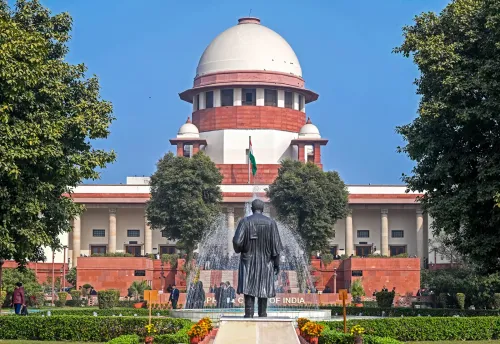
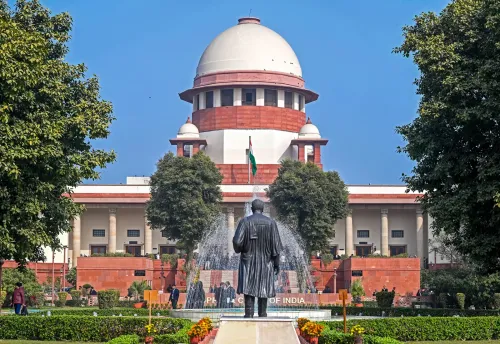
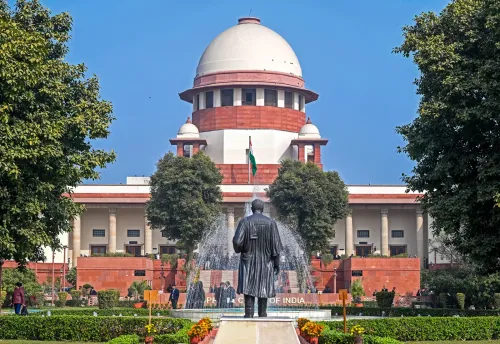
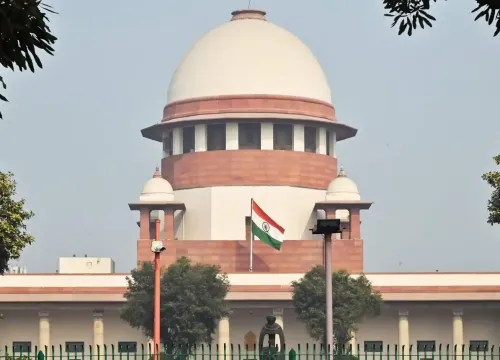
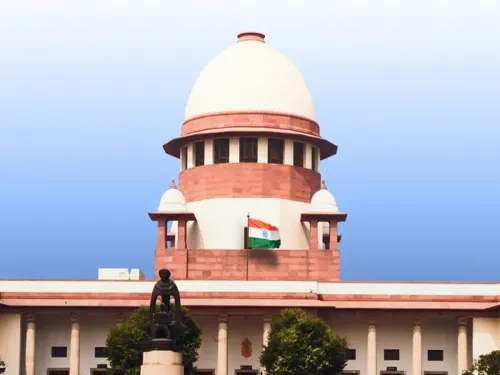
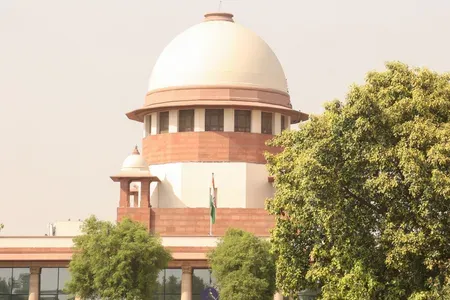
The Supreme Court of India on Tuesday, 16 June issued notice on a Public Interest Litigation (PIL) seeking effective registration, regulation, monitoring, and oversight of rehabilitation centres, child development centres, and mental health establishments serving children with disabilities. The bench, comprising Chief Justice of India (CJI) Surya Kant and Justice V. Mohana, passed the order while hearing a petition filed by disability rights lawyer Rahul Bajaj and child rights activist Zaheer Abbas Jan.
What the PIL Alleges
The petition contends that despite a robust statutory framework — spanning the Rights of Persons with Disabilities (RPwD) Act, 2016, the Rehabilitation Council of India (RCI) Act, 1992, and the Mental Healthcare Act (MHCA), 2017 — systemic failures continue to harm children with disabilities across the country. These include the operation of unregistered institutions, inadequate infrastructure, a shortage of qualified professionals, and the near-total absence of meaningful regulatory oversight.
Under Section 50 of the RPwD Act, no person may establish or maintain an institution for persons with disabilities without obtaining a certificate of registration from the competent authority. The petition argues that a large number of such institutions remain unregistered, effectively shielding them from supervision and accountability.
Mental Health and RCI Enforcement Gaps
The PIL further highlights serious gaps in the enforcement of the Mental Healthcare Act, 2017, which envisages State Mental Health Authorities and minimum quality standards for mental health services. According to the petition, available data indicates that only a handful of states and union territories have framed such standards or put in place mechanisms for the registration and oversight of mental health professionals.
On the RCI Act, 1992, the petition notes that only individuals possessing recognised rehabilitation qualifications and enrolled with the Rehabilitation Council of India are legally authorised to practise as rehabilitation professionals. 'In practice, however, these provisions are not being meaningfully enforced, resulting in a situation where a number of rehabilitation professionals are allowed to practise without any regulation and oversight, to the detriment of children with disabilities,' the plea stated.
NHRC Complaint and Ground-Level Evidence
Petitioner Rahul Bajaj had also approached the National Human Rights Commission (NHRC) through a complaint dated 25 February, raising the same concerns. The petition alleges that no action has been taken on that complaint so far.
The petitioners also relied on findings from a surprise inspection conducted by the Child Welfare Committee (CWC), Srinagar, in 2025 at a child development centre. The inspection reportedly found that the institution lacked registration under both the RPwD Act and the RCI Act, and suffered from inadequate infrastructure, insufficient qualified staff, and poor programme implementation.
What the Petitioners Are Seeking
The petitioners have urged the Supreme Court to direct effective implementation of statutory provisions governing the registration, regulation, and monitoring of rehabilitation and mental health facilities catering to children with disabilities. This comes amid growing concern among disability rights advocates that legislative intent has consistently outpaced on-ground enforcement. The matter is tentatively listed next for hearing on 3 August.
Point of View
The RPwD Act in 2016, and the Mental Healthcare Act in 2017 — have collectively failed to produce a functioning registration and oversight regime for some of the country's most vulnerable children. The Srinagar inspection finding is not an outlier; it is a data point in a pattern that disability rights advocates have documented for years. The real question the court must press is not whether states should comply, but why compliance mechanisms have no teeth after 30 years of legislation. An NHRC complaint that went unanswered before a Supreme Court PIL was needed tells its own story about institutional accountability.
NationPress
15 Sept 2026
Frequently Asked Questions
What is the Supreme Court PIL on rehabilitation centres for children with disabilities?
It is a Public Interest Litigation filed by disability rights lawyer Rahul Bajaj and child rights activist Zaheer Abbas Jan, seeking Supreme Court directions to enforce registration, regulation, and monitoring of rehabilitation centres, child development centres, and mental health establishments serving children with disabilities. The Supreme Court issued notice on the PIL on 16 June.
Which laws does the PIL say are not being enforced?
The petition cites three central laws: the Rights of Persons with Disabilities (RPwD) Act, 2016, the Rehabilitation Council of India (RCI) Act, 1992, and the Mental Healthcare Act (MHCA), 2017. It argues that mandatory registration and oversight provisions under all three statutes are being widely ignored.
What did the Srinagar Child Welfare Committee inspection find?
A surprise inspection conducted by the Child Welfare Committee, Srinagar, in 2025 found that a child development centre was operating without registration under the RPwD Act and the RCI Act. The inspection also flagged inadequate infrastructure, insufficient qualified staff, and poor programme implementation.
When is the next Supreme Court hearing on this matter?
The matter is tentatively listed for its next hearing on 3 August, according to the petition details placed before the court.
Who filed the PIL and what relief have they sought?
The PIL was filed by disability rights lawyer Rahul Bajaj and child rights activist Zaheer Abbas Jan. They have urged the Supreme Court to ensure effective implementation of statutory provisions governing registration, regulation, and monitoring of all rehabilitation and mental health facilities catering to children with disabilities across India.