Is Bangladesh Facing One of Its Most Pivotal Elections Yet?
Synopsis
With Bangladesh on the brink of a significant electoral milestone, the upcoming election promises to reshape the nation's political landscape. As the Awami League remains banned, the contest primarily unfolds between the BNP and Jamaat. The stakes are high, and the influence of Gen Z voters could redefine the future of the country.
Key Takeaways
Bangladesh's 13th national election is set for February 12, 2024.
The Awami League is banned from participating due to political upheaval.
Approximately 12.8 crore registered voters will cast their votes.
Gen Z voters could play a crucial role in shaping the election outcomes.
A referendum will also address constitutional reforms on the same day.
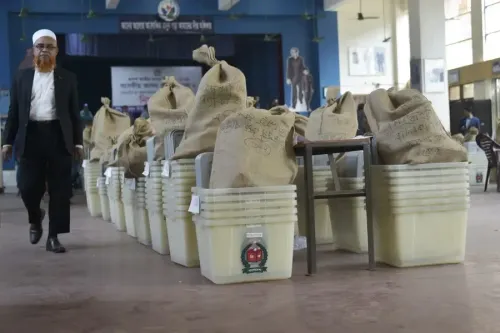
New Delhi, Feb 9 (NationPress) Bangladesh is just two days away from an election deemed one of the most significant since its independence in 1971. The 13th national election is scheduled for Thursday, February 12, where citizens will choose their next government and Prime Minister.
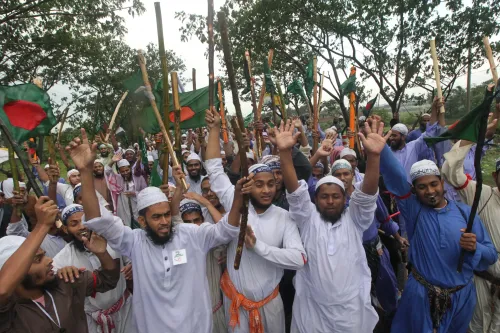
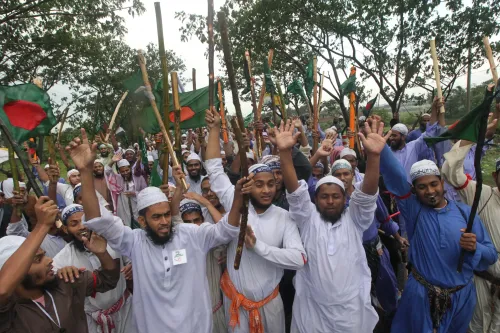
The Awami League is currently banned following its ousting in August 2024 due to a student-led protest, leading to a competition primarily between two dominant factions: one led by the Bangladesh Nationalist Party (BNP) and the other by Bangladesh Jamaat-e-Islami. For years, Sheikh Hasina, the leader of the Awami League, has been criticized for marginalizing opposition parties, resulting in boycotts or arrests of key leaders.
Hasina now finds herself seeking asylum in India, with her party facing a prohibition and a death order issued against her.
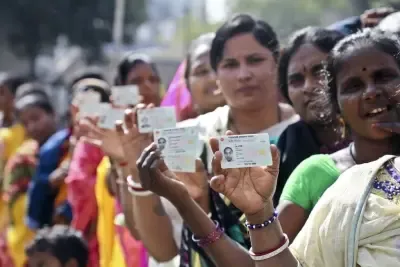
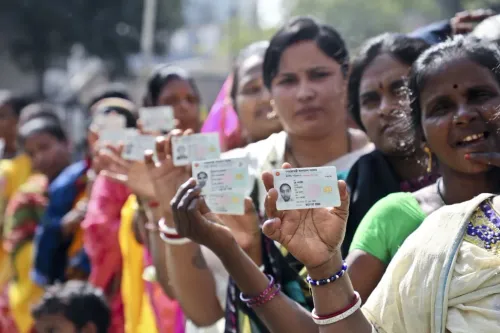
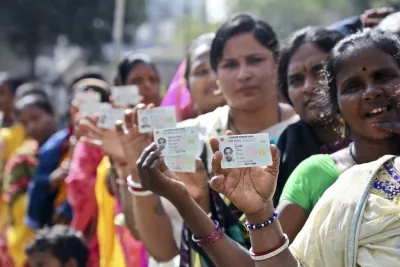
The minority communities are also living in fear, with numerous cases of Hindu lynchings reported by local media. Approximately 12.8 crore registered voters will cast their ballots at 42,779 polling booths, representing 60 political parties recognized by the electoral commission.
This election cycle is particularly influenced by the Gen Z voters, whose decisions could reshape the political landscape, diplomatic relations, and Bangladesh’s future role in maintaining regional equilibrium.
Analysts suggest that the BNP may foster stronger ties with India, in contrast to Jamaat, which may gravitate towards Pakistan. Jamaat’s younger allies have been vocal in criticizing “New Delhi’s dominance” and have been engaging with Chinese diplomats.
Current reports and opinion surveys indicate a slight advantage for the BNP, though Jamaat may still surprise with a strong performance. The Jamaat has faced legal challenges over its alleged role in supporting Islamabad during the 1971 conflict, which led to a ban imposed by Hasina's government following a court ruling.
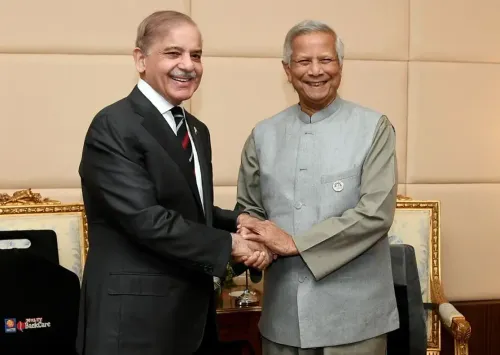
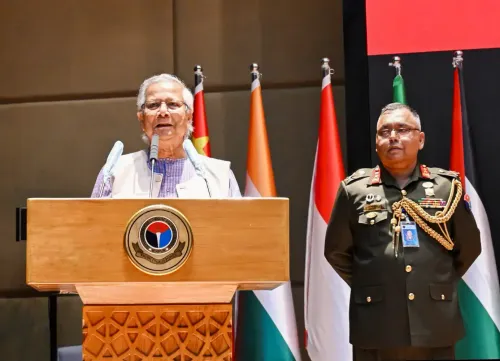
However, under the Yunus-led interim administration, the ban was lifted, and the party regained its registration following a Supreme Court decision.
On the same day as the election, a referendum regarding the “July Charter” (constitutional reforms) will take place, requiring voters to respond with a collective “yes” or “no” to a suite of reforms aimed at overhauling Bangladesh's governance and democratic framework.
For years, the Awami League, under Sheikh Hasina, has dominated the political scene in Bangladesh from 2008 to 2024. Throughout this period, opposition parties, such as the BNP and Jamaat, have frequently boycotted elections, citing political repression and the arrest of their leaders. This time, with the Awami League prohibited from engaging in political activities post-Hasina's ousting, the electoral battle is predominantly between the BNP and Jamaat alliances.
The first election held in 1973 after Bangladesh's independence saw the Awami League, led by Sheikh Mujibur Rahman, claim 292 out of 300 seats in Parliament. Following Mujib’s assassination in 1975 and the military rule of General Ziaur Rahman, the BNP emerged victorious in the 1979 elections, solidifying its political clout.
In subsequent elections, the opposition often boycotted, leading to contested legitimacy. The BNP secured victories in the 1991 and 1996 elections, while the Awami League returned to power amidst controversies and protests. The 2001 elections once again saw a BNP-led alliance gaining dominance.
In the aftermath of a military-backed caretaker regime (2007–2008), Sheikh Hasina returned as Prime Minister. The Awami League won again in 2014, with the opposition boycotting, amid reports of widespread violence. In 2018, Hasina was reelected amidst accusations of political oppression and electoral fraud, capturing 288 of 300 seats. Throughout these years, Bangladesh's politics has witnessed several interventions, takeovers, and coups.
Point of View
It's crucial to acknowledge the complexities surrounding Bangladesh's upcoming election. The political landscape is shifting dramatically, and with the Awami League sidelined, the BNP and Jamaat's contest will significantly impact governance and international relations. The voice of the youth, particularly Gen Z, must not be overlooked, as their participation could redefine the nation’s trajectory. It’s essential to report on these developments with integrity and a commitment to the truth.
NationPress
6 Sept 2026
Frequently Asked Questions
What is the significance of the upcoming election in Bangladesh?
The election is seen as pivotal in determining the future political landscape of Bangladesh, especially following the ban on the Awami League and the emergence of BNP and Jamaat as primary contenders.
Why is the Awami League banned from participating in the elections?
The Awami League was banned after its leader, Sheikh Hasina, was ousted in a student-led protest in August 2024, leading to significant political unrest.
How many registered voters are expected to participate in the election?
Approximately 12.8 crore registered voters are expected to cast their votes at 42,779 polling booths across the country.
What role will Gen Z play in this election?
Gen Z voters are expected to significantly influence the election outcome, potentially reshaping the political narrative and future governance of Bangladesh.
What is the 'July Charter' referendum?
The 'July Charter' referendum will coincide with the election, asking voters to approve or reject a series of constitutional reforms aimed at restructuring Bangladesh's governance.