Bangladesh floods kill 51, over 10 lakh affected across 7 districts
Synopsis
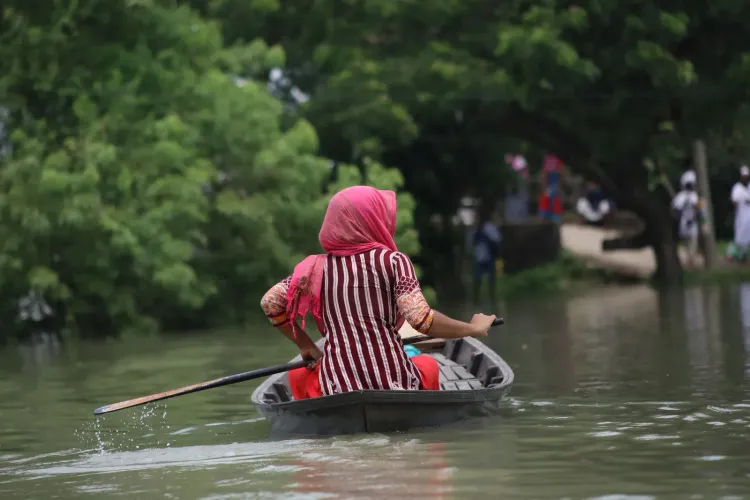
Over 10 lakh people are displaced and at least 51 are dead as Bangladesh's worst monsoon floods in recent memory sweep through seven districts. Cox's Bazar alone accounts for more than half the fatalities, and Prime Minister Tarique Rahman has placed the entire national administration on maximum alert — a sign of how fast this crisis is escalating.
Key Takeaways
At least 51 people killed and 39 injured in Bangladesh floods and landslides as of 12 July .
Over 10 lakh people (1,022,963) affected; 267,918 families remain marooned.
Cox's Bazar recorded the highest death toll at 28 , followed by Chattogram (13) and Bandarban (6).
Authorities have opened 1,131 shelters , with 44,457 people currently taking refuge.
Prime Minister Tarique Rahman ordered maximum alert across all eight divisions and directed swift relief distribution.
The disaster spans 58 upazilas , 386 unions , and 12 municipalities across seven districts.
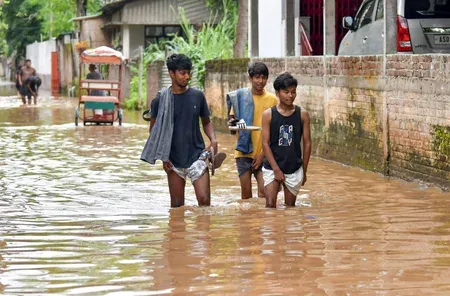
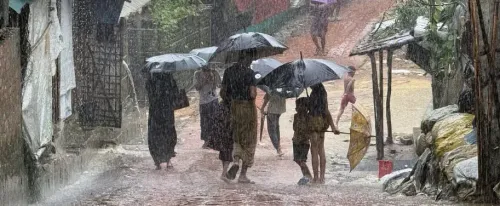
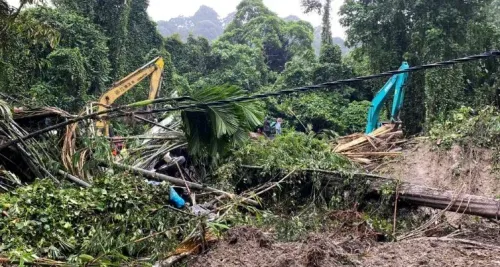
At least 51 people have been killed and 39 others injured in devastating floods and landslides across Bangladesh, according to the country's Ministry of Disaster Management and Relief, as reported by local media on Sunday, 12 July. The disaster has displaced over 10 lakh people, triggering large-scale relief operations across seven flood-hit districts.
Scale of the Disaster
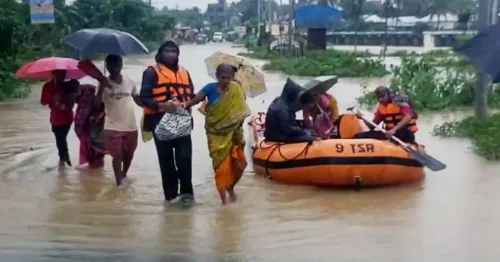
The floods have affected 1,022,963 people, with members of 267,918 families still marooned. As many as 44,457 people have taken shelter in relief centres, while authorities have opened 1,131 shelters across the affected zones. The disaster spans 58 upazilas, 386 unions, and 12 municipalities.
The worst-affected districts are Rangamati, Bandarban, Habiganj, Moulvibazar, Khagrachhari, Cox's Bazar, and Chattogram. Cox's Bazar has recorded the highest death toll at 28, followed by Chattogram with 13, Bandarban with 6, Rangamati with 3, and Moulvibazar with 1.
Government Response
Bangladesh Prime Minister Tarique Rahman on Sunday ordered all relevant agencies and field-level administration to remain on maximum alert, issuing directives during a virtual meeting with Divisional Commissioners, Deputy Inspectors General (DIGs) of police, Deputy Commissioners (DCs), Superintendents of Police (SPs), Civil Surgeons, and other senior officials from all eight divisions.
During the meeting, Rahman said that protecting the lives and property of people must remain the highest priority of the administration during the ongoing emergency. He ordered officials to ensure rapid distribution of dry food, safe drinking water, baby food, essential medicines, and healthcare services to affected populations.
Law and Order Concerns
Rahman also directed law enforcement agencies to remain on the highest alert to prevent criminal activities — including theft, hoarding, and misappropriation of relief goods — that typically surge during emergency situations. Officials briefed him on the waterlogging situation, extent of damage, shelter conditions, rescue operations, and relief distribution across their respective areas.
Context and Regional Pattern
Bangladesh is among the world's most flood-prone nations, with its low-lying river delta geography making it acutely vulnerable to monsoon surges. The southeastern districts — including Cox's Bazar and Chattogram — are particularly susceptible to flash floods and landslides triggered by heavy rainfall. This comes amid a broader pattern of intensifying monsoon events across South Asia in recent years, which climate scientists have linked to shifting weather systems. The scale of this event — over 10 lakh people affected within days — underscores the continued pressure on Bangladesh's disaster management infrastructure.
Relief operations are ongoing, with authorities coordinating across multiple agencies. The full extent of damage to crops, infrastructure, and livelihoods is yet to be assessed.
Point of View
Yet shelter capacity, early-warning reach, and last-mile relief logistics remain chronically underfunded. Prime Minister Tarique Rahman's virtual coordination meeting is a necessary response, but the real accountability question is structural: why do the same districts top the fatality list year after year? Until Bangladesh — and its international partners — treat flood resilience as a year-round infrastructure priority rather than a crisis-response exercise, these numbers will keep returning.
NationPress
11 Oct 2026
Frequently Asked Questions
How many people have been killed in the Bangladesh floods?
At least 51 people have been killed and 39 others injured in floods and landslides across Bangladesh as of Sunday, 12 July, according to the Ministry of Disaster Management and Relief. Cox's Bazar recorded the highest number of fatalities at 28.
Which districts in Bangladesh are worst affected by the floods?
The seven worst-affected districts are Cox's Bazar, Chattogram, Bandarban, Rangamati, Moulvibazar, Habiganj, and Khagrachhari. Cox's Bazar has the highest death toll with 28 fatalities, followed by Chattogram with 13.
How many people have been displaced by the Bangladesh floods?
Over 10 lakh people — specifically 1,022,963 — have been affected, with 267,918 families still marooned. As many as 44,457 people are currently sheltering in 1,131 government-run relief centres.
What action has Bangladesh's government taken in response to the floods?
Prime Minister Tarique Rahman held a virtual emergency meeting with senior officials from all eight divisions, ordering maximum alert, rapid relief distribution, and heightened law enforcement to prevent misappropriation of aid. Officials were directed to prioritise dry food, safe drinking water, baby food, medicines, and healthcare for affected populations.
Why is Bangladesh so vulnerable to floods and landslides?
Bangladesh sits on a vast river delta and is one of the world's most flood-prone countries. Its southeastern districts, including Cox's Bazar and Chattogram, are especially susceptible to flash floods and landslides during the monsoon season, a risk that climate scientists say is intensifying due to shifting weather patterns across South Asia.