Bangladesh Fuel Crisis: Transport Disruptions and Market Instability Loom
Synopsis
As the fuel crisis in Bangladesh escalates, transport disruptions and enforcement actions raise alarms about market stability. The indefinite strike by tanker workers has halted fuel supply across multiple districts, prompting government intervention and increased surveillance to combat hoarding.
Key Takeaways
Fuel crisis in Bangladesh is escalating with transport disruptions.
Indefinite strike by tanker workers has halted fuel supply.
Government takes action against hoarding and illegal sales.
Monitoring by Border Guard Bangladesh is intensified.
Cash rewards announced for information on fuel malpractice.
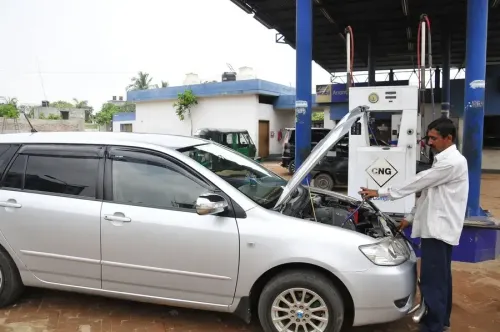
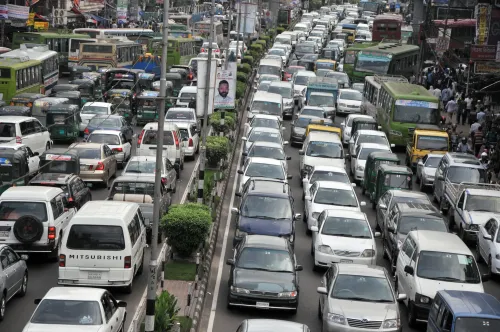
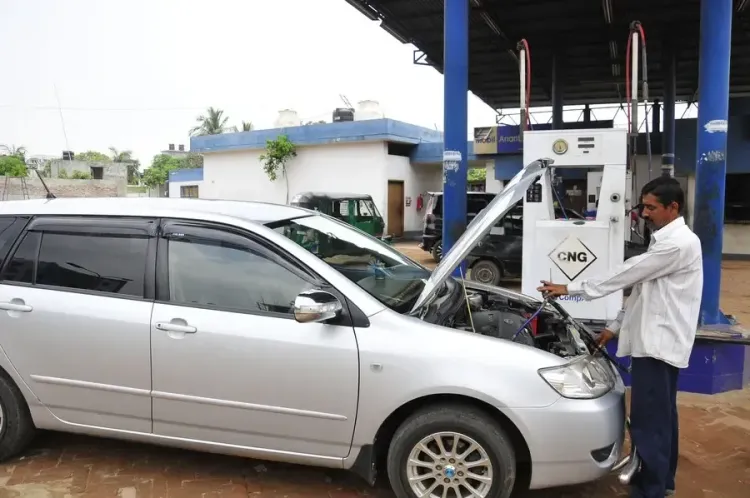
Dhaka, March 30 (NationPress) As the fuel crisis intensifies across Bangladesh, significant disruptions in transport, rigorous enforcement actions, and widespread irregularities in supply and distribution have sparked worries about market stability, local media reported on Monday.
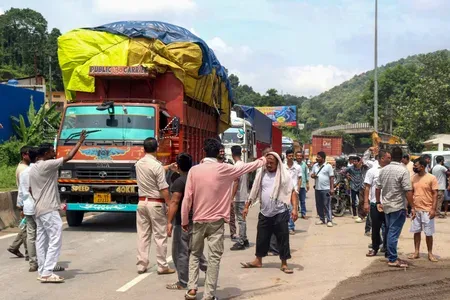
The situation worsened after tanker workers in eight northern districts initiated an indefinite strike, halting fuel supplies from a crucial depot, while authorities intensified measures against hoarding, illegal sales, and misuse.
Reports indicate that fuel distribution ceased across eight districts, including Dinajpur, Thakurgaon, Panchagarh, Rangpur, Nilphamari, Gaibandha, Kurigram, and Lalmonirhat, following the tanker workers' strike that began on Sunday.
The Rangpur Divisional Tanker Workers Union organized the strike after the arrest and sentencing of three individuals in Nilphamari on accusations of fuel theft, as reported by the Bangladeshi daily, Dhaka Tribune.
Consequently, operations at the Parbatipur Railway Head Oil Depot, an essential supply hub for the region, have reportedly been suspended, with no diesel, petrol, or octane being distributed.
The union leaders demanded the release of the detained workers within 24 hours and called for the removal of the Nilphamari Nezarat deputy collector (NDC).
They cautioned that the strike would persist until their demands were met, significantly heightening the risk of a total halt in passenger and goods transport.
The Petrol Pump Owners Association has voiced support for the workers as discussions to resolve the issue continue.
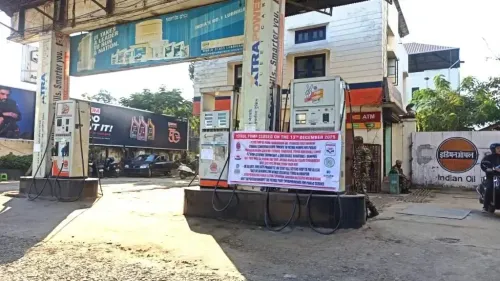
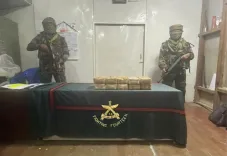
In the Rajshahi district, the Border Guard Bangladesh (BGB) has increased surveillance of oil depots and filling stations to combat hoarding and prevent cross-border smuggling.
Three platoons have been deployed at the district's Padma, Meghna, and Jamuna depots, with monitoring extending to 12 filling stations and border char areas.
Meanwhile, the Bangladeshi government has introduced a cash reward of up to 1 lakh Bangladeshi Taka for individuals providing reliable information on illegal fuel hoarding and smuggling, as reported by local media.
This initiative, led by the Department of Energy and Mineral Resources, aims to address malpractice within the country's fuel supply chain.
"Certain unethical entities are hoarding and smuggling fuel amid increasing demand and dwindling supply. Those who provide verified information to the authorities will be rewarded, and legal action will be taken against the wrongdoers," a senior official from the department stated, as quoted by Dhaka Tribune.
This effort is part of broader strategies to ensure consistent and fair fuel distribution throughout Bangladesh.
The crisis is largely attributed to the ongoing conflict in West Asia, which escalated in late February following coordinated US-Israeli operations targeting Iranian military assets.
Iran retaliated with missile and drone strikes aimed at Israel, US interests, and several Gulf states hosting American military installations.
Point of View
Highlighting vulnerabilities in its fuel supply chain and the impact of labor disputes on essential services. The government's proactive measures against hoarding and smuggling reflect a commitment to ensuring stability, but the resolution of the strike will be crucial for restoring normalcy.
NationPress
10 Oct 2026
Frequently Asked Questions
What caused the fuel crisis in Bangladesh?
The crisis was triggered by an indefinite strike by tanker workers in northern districts, leading to a halt in fuel supply and distribution.
What actions is the government taking to address the crisis?
The government has increased surveillance of oil depots, offered rewards for information on illegal hoarding, and is negotiating with tanker workers to resolve the strike.
Which districts are most affected by the fuel shortage?
The affected districts include Dinajpur, Thakurgaon, Panchagarh, Rangpur, Nilphamari, Gaibandha, Kurigram, and Lalmonirhat.
What are the implications of the tanker workers' strike?
The strike risks halting passenger and goods transport, which could lead to broader economic instability.
How is the government combating fuel hoarding?
The government has deployed Border Guard Bangladesh units to monitor oil depots and filling stations, and is rewarding citizens for reporting illegal activities.