Bangladesh ICT jails ex-Awami League MP Zafar Alam in crimes against humanity case

Synopsis
Bangladesh's ICT has jailed former Awami League MP Zafar Alam in a crimes against humanity case over the alleged killings of two opposition workers — one after a Jamaat leader's funeral, another after the current Home Minister's disappearance in 2015. The Awami League has fired back, accusing Home Minister Salahuddin Ahmed of using the Tribunal as 'personal property' for political revenge, raising sharp questions about judicial independence in post-2024 Bangladesh.
Key Takeaways
Bangladesh's International Crimes Tribunal (ICT) ordered former Awami League MP Zafar Alam jailed on 24 September 2026 in a crimes against humanity case.
The case alleges Alam led the killing of two opposition workers — one BNP supporter and one Jamaat-e-Islami worker — during the Awami League's tenure.
Alam was first arrested by Dhaka Metropolitan Police in Dhanmondi on 27 April 2025 ; approximately 15–16 cases have since been filed against him across four districts.
The Awami League has condemned the proceedings as 'questionable and unjustified,' arguing isolated murders do not meet the ICT's jurisdictional threshold for crimes against humanity.
The party accused Home Minister Salahuddin Ahmed of using the Tribunal to pursue political revenge, warning him that 'history may eventually bring you to the same dock.'
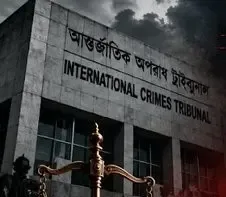
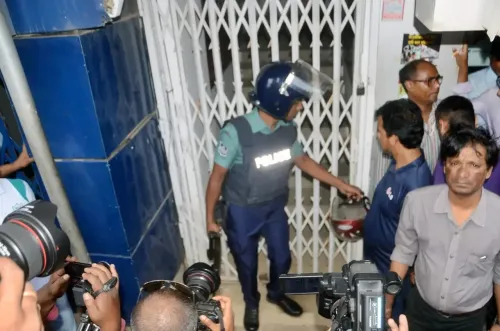
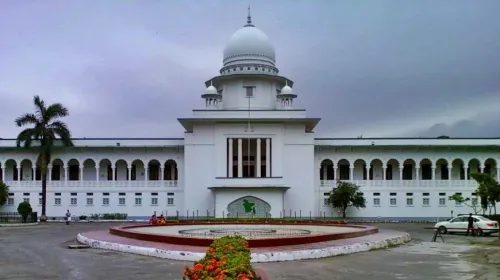
Bangladesh's International Crimes Tribunal (ICT) on Wednesday, 24 September 2026, formally ordered former Awami League lawmaker Zafar Alam to be sent to jail after declaring him 'arrested' in a crimes against humanity case. The case centres on the alleged killings of two opposition workers — one a BNP supporter and the other a Jamaat-e-Islami worker — carried out, according to prosecutors, under Alam's leadership during the Awami League's tenure in power.
What the Case Alleges
Prosecutor Md. Mizanul Islam told reporters that two individuals were allegedly killed under Alam's leadership on two separate occasions — one following the funeral of Jamaat-e-Islami leader Delwar Hossain Sayeedi, and the other after the disappearance of current Home Minister Salahuddin Ahmed. Sayeedi, who had been sentenced to life imprisonment in a separate 1971 Liberation War crimes case, died in 2023. Salahuddin Ahmed had disappeared in 2015, according to Bangladeshi Bengali daily Prothom Alo.
Alam's Arrest and Legal History
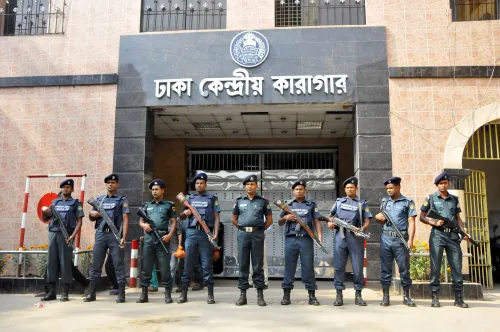
Zafar Alam was first arrested by the Dhaka Metropolitan Police in the Dhanmondi area of Dhaka on 27 April 2025. He was produced before the Tribunal on Wednesday, following which the ICT ordered his formal remand to jail. Following the Awami League's ouster in 2024, approximately 15 to 16 cases were filed against him across Chittagong, Cox's Bazar, Chakaria, and Pekua, including multiple murder charges.
Awami League Hits Back
The Awami League on Thursday strongly condemned the Tribunal's decision, calling the proceedings 'questionable and unjustified.' The party argued that the ICT was established to try large-scale atrocities — not isolated local incidents — and questioned whether a clash resulting in a single death could legally qualify as a crime against humanity under international legal standards.
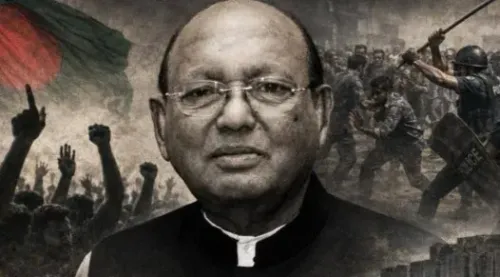
The party went further, directly accusing Home Minister Salahuddin Ahmed of weaponising the Tribunal for personal and political revenge. In a pointed statement, the Awami League warned: 'Home Minister Salahuddin is using the Tribunal as if it were his personal property to pursue political revenge... Stop this harassment and political vengeance immediately. Otherwise, time and history may eventually bring you to the same dock.'
Broader Context
The case unfolds against the backdrop of Bangladesh's turbulent post-2024 political landscape, in which the fall of the Awami League government has been followed by a wave of prosecutions targeting party figures. Critics and legal observers have noted that the ICT — originally conceived to try perpetrators of the 1971 Liberation War massacres — has faced recurring questions about the scope of its jurisdiction and political independence. This is not the first time opposition parties have alleged that successive governments have used the Tribunal as a tool for settling political scores, a charge that has been levelled by both sides of Bangladesh's deep political divide over the years. The case of Zafar Alam is being closely watched as a test of whether the post-Awami League administration can demonstrate judicial independence in its use of the Tribunal's extraordinary powers.
Point of View
But not entirely without legal basis; the ICT's own founding statute requires a 'widespread or systematic attack against a civilian population' — a threshold that courts worldwide treat as a high bar. If the Tribunal proceeds without rigorously establishing that nexus, it risks handing the Awami League a credible narrative of political persecution. Bangladesh has seen both major parties weaponise the ICT when in power; the current administration's credibility depends on whether it can demonstrate that this prosecution is driven by evidence rather than the same cycle of revenge that has defined Dhaka's politics for decades.
NationPress
24 Sept 2026
Frequently Asked Questions
Why was Zafar Alam ordered jailed by Bangladesh's ICT?
The International Crimes Tribunal ordered former Awami League lawmaker Zafar Alam to jail on 24 September 2026 after formally declaring him 'arrested' in a crimes against humanity case. He is accused of leading the killings of two opposition workers — one BNP supporter and one Jamaat-e-Islami worker — during the Awami League's time in government.
What is Bangladesh's International Crimes Tribunal?
The ICT is a domestic tribunal originally established to try individuals accused of atrocities during Bangladesh's 1971 Liberation War. Its jurisdiction covers genocide, crimes against humanity, and war crimes, though its scope and independence have been contested by various political parties over the years.
What has the Awami League said about Zafar Alam's case?
The Awami League has called the proceedings 'questionable and unjustified,' arguing that an ordinary murder linked to a local clash cannot legally qualify as a crime against humanity under the ICT's founding statute. The party has also directly accused Home Minister Salahuddin Ahmed of using the Tribunal for political revenge.
How many cases has Zafar Alam faced since the Awami League's fall?
Following the Awami League's ouster in 2024, approximately 15 to 16 cases were filed against Zafar Alam across Chittagong, Cox's Bazar, Chakaria, and Pekua, including multiple murder charges, in addition to the ICT case.
Who were the victims in the case against Zafar Alam?
The two victims were identified as workers of the BNP and Jamaat-e-Islami respectively. One was allegedly killed following the funeral of Jamaat-e-Islami leader Delwar Hossain Sayeedi in 2023, and the other after the disappearance of current Home Minister Salahuddin Ahmed in 2015, according to the prosecution.