Bangladesh journalists face crimes against humanity charges over July 2024 protests
Synopsis
A Paris-based rights group is sounding the alarm as Bangladesh's International Crimes Tribunal summons three senior journalists over their coverage of the July 2024 protests — with the BNP-led government now accused of weaponising 'crimes against humanity' charges as a tool of political retaliation, echoing patterns critics say were set under its predecessor.
Key Takeaways
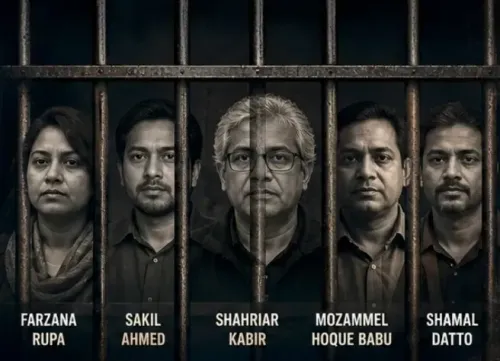
Bangladesh's ICT has ordered journalists Shyamal Dutta , Mozammel Babu , and Farzana Rupa to appear before the tribunal on 24 August in a crimes against humanity case.
The case reportedly stems from statements and journalistic activities linked to the July 2024 protests in Bangladesh.
Paris-based Justice Makers Bangladesh in France (JMBF) has strongly condemned the move, calling it 'deeply alarming.' JMBF Founder President Shahanur Islam accused the BNP -led government of using the criminal justice system as an instrument of 'political retaliation and intimidation.' The rights group has urged the UN , international press freedom bodies, and Bangladesh's global partners to treat journalist protection as an urgent priority.
A prominent international human rights organisation has strongly condemned the decision by Bangladeshi authorities to implicate three senior journalists in a crimes against humanity case, reportedly arising from statements and journalistic activities linked to the July 2024 protests in Bangladesh. The move has drawn sharp criticism from press freedom advocates, who warn it sets a dangerous precedent for media independence across the country.
The ICT Order and the Three Journalists
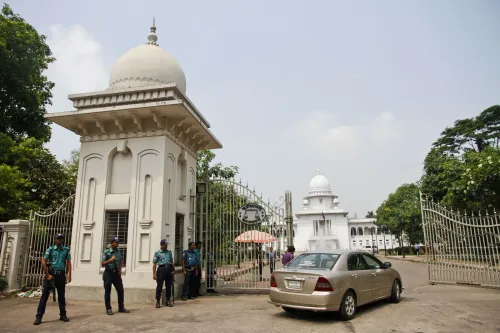
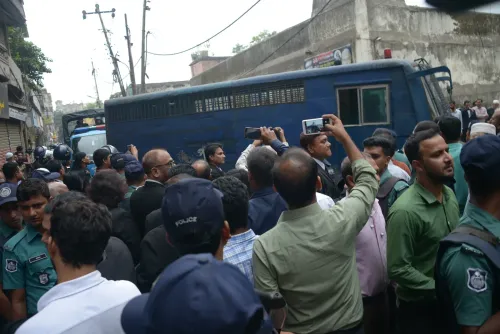
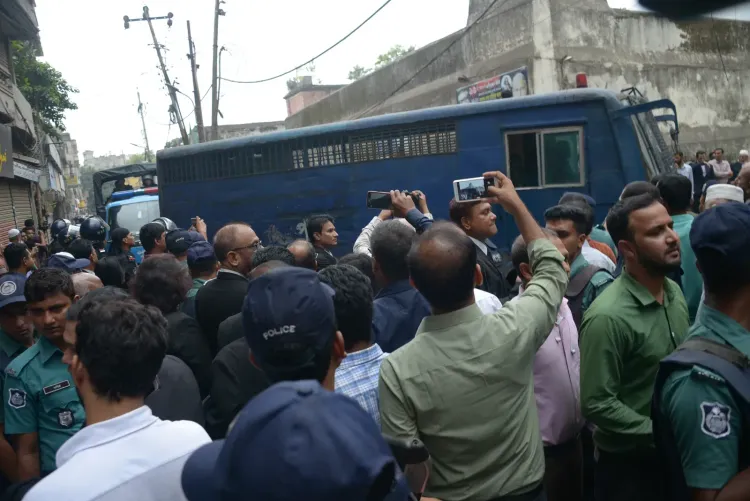
Bangladesh's International Crimes Tribunal (ICT) earlier this week directed jail authorities to produce journalists Shyamal Dutta, Mozammel Babu, and Farzana Rupa before the tribunal on 24 August, in connection with the crimes against humanity case. The order followed a petition by the prosecution seeking their appearance before the court.
The three are among Bangladesh's most recognised media figures, and their implication in proceedings of this gravity has alarmed rights groups both within the country and internationally.
Rights Group Calls Charges 'Deeply Alarming'
Justice Makers Bangladesh in France (JMBF), a Paris-based rights organisation, said the apparent attempt to apply the label of 'crimes against humanity' to journalistic speech, commentary, editorial positions, or political narratives is 'deeply alarming.' The group stressed that such allegations must be backed by credible, individualised evidence meeting the stringent requirements of applicable criminal law and international standards.
'Journalism is not a crime. Political disagreement is not a crime. Criticism, questioning, commentary, and even controversial or unpopular expression cannot be transformed into crimes against humanity merely because such expression subsequently becomes politically objectionable,' JMBF stated.
Press Freedom at Stake, Warns JMBF
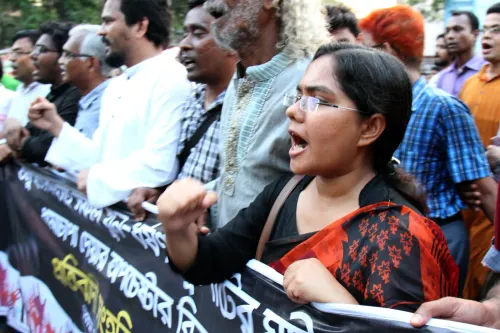
The rights body cautioned that these proceedings carry serious consequences for press freedom throughout Bangladesh. When journalists fear that reporting, editorial decisions, or political commentary may expose them to prosecution for international crimes following a change of government, self-censorship becomes almost inevitable, it said.
Shahanur Islam, Founder President of JMBF, said: 'Crimes against humanity represent some of the gravest offences known to international law. Such charges must never be stretched beyond their legitimate legal boundaries to punish journalists for questions, opinions, editorial positions, or political narratives.'
BNP Government Accused of Political Retaliation
Islam further noted that following patterns observed under the previous Muhammad Yunus-led interim government, the pursuit of crimes against humanity proceedings against journalists under the current Bangladesh Nationalist Party (BNP)-led government raises serious concerns over the use of the criminal justice system as an instrument of 'political retaliation and intimidation.' He described such a practice as 'deeply disturbing, incompatible with democratic values, and wholly unacceptable.'
Notably, this is not the first time Bangladesh's ICT has drawn scrutiny from international observers — the tribunal has faced criticism over due process standards in earlier proceedings as well.
International Community Urged to Act
JMBF called upon the United Nations, international press freedom organisations, human rights bodies, and the broader global community to closely monitor these proceedings and the situation of journalists in Bangladesh. It further urged Bangladesh's international partners to raise freedom of expression, judicial independence, arbitrary detention, due process, and protection of journalists as urgent priorities in their engagement with Bangladeshi authorities.
With the next tribunal hearing scheduled for 24 August, all eyes will be on whether the proceedings meet international fair-trial standards — and whether global pressure translates into any course correction.
Point of View
After similar patterns were observed under the Yunus interim administration, suggests the problem is institutional, not partisan. Successive governments in Dhaka appear to view the ICT as a political instrument rather than a court of last resort for mass atrocities. The international community's response — or lack of it — will signal how much accountability pressure Bangladesh's new dispensation actually faces.
NationPress
5 Oct 2026
Frequently Asked Questions
Why are three Bangladeshi journalists facing crimes against humanity charges?
Journalists Shyamal Dutta, Mozammel Babu, and Farzana Rupa have been summoned by Bangladesh's International Crimes Tribunal in connection with a crimes against humanity case reportedly arising from their statements and journalistic activities linked to the July 2024 protests. The tribunal has ordered them to appear on 24 August following a prosecution petition.
What is Justice Makers Bangladesh in France (JMBF)?
JMBF is a Paris-based international human rights organisation focused on Bangladesh. It has condemned the ICT proceedings against the three journalists, calling the application of 'crimes against humanity' charges to journalistic speech deeply alarming and incompatible with international legal standards.
What does this mean for press freedom in Bangladesh?
Rights groups warn that prosecuting journalists under international crimes law for editorial decisions or political commentary will drive self-censorship across Bangladesh's media. JMBF says the chilling effect is almost inevitable when journalists risk such charges after a change of government.
How does the BNP government's conduct compare to the previous administration?
According to JMBF Founder President Shahanur Islam, the pursuit of crimes against humanity proceedings against journalists mirrors practices seen under the previous Muhammad Yunus-led interim government, suggesting a pattern of using the criminal justice system for political retaliation regardless of which party holds power.
What action has JMBF called for internationally?
JMBF has urged the United Nations, global press freedom organisations, and Bangladesh's international partners to closely monitor the ICT proceedings and to raise freedom of expression, judicial independence, arbitrary detention, due process, and journalist protection as urgent priorities in their engagement with Dhaka.