Bangladesh 'July Martyrs' gazette under scrutiny over hundreds of unrelated deaths
Synopsis
An investigation by independent journalists and retired police officers alleges that Bangladesh's official July Martyrs Gazette — meant to honour those killed during the 2024 anti-quota protests — includes nearly 300 deaths from road accidents, cardiac events, mob violence, and weapons looting that occurred after Sheikh Hasina's departure on August 5, 2024. If verified, the findings would fundamentally undermine the interim government's account of the uprising and the legal basis for attributing those deaths to the Awami League.
Key Takeaways
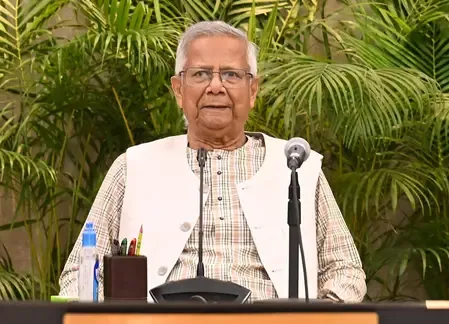
Bangladesh's July Martyrs Gazette , published by the Muhammad Yunus -led interim government, faces allegations of including hundreds of deaths unrelated to the July 2024 anti-quota protests.
An investigation by MARK.
R&AUA — a group of independent journalists and retired police officers — claims nearly 300 people who died after August 5, 2024 from unrelated causes were included in the list.
The gazette's own eligibility criteria limit recognition to those killed by state or law enforcement action during the protest period, which the investigation argues ended when Sheikh Hasina left the country on August 5, 2024 .
Allegedly included deaths span road accidents, electrocution, cardiac failure, mob assaults, prison attacks, and looting-related incidents — none qualifying under the official definition.
The investigation also alleges that probes into post-uprising killings of police and security personnel were halted through indemnity provisions .
The interim government had not issued a public response to the specific allegations at the time of reporting.
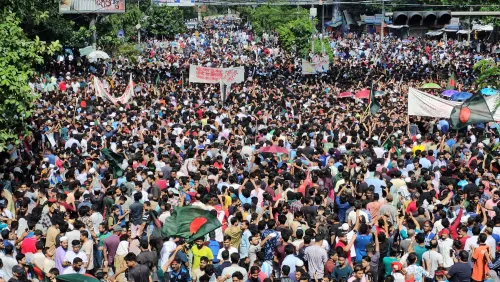
Bangladesh's official July Martyrs Gazette — published by the Muhammad Yunus-led interim government following the July 2024 anti-quota protests — has come under renewed scrutiny after allegations emerged that it includes hundreds of deaths with no connection to the protest movement. The findings, drawn from an investigation by a group of independent journalists and retired police officers operating under the name MARK. R&AUA, suggest the list may have inflated protest-related death tolls and wrongly attributed responsibility to the former Sheikh Hasina-led Awami League government.
What the Official Definition Says
According to reports, the gazette's own qualifying criteria — issued jointly by Bangladesh's Ministry of Liberation War Affairs and the Ministry of Disaster Management and Relief — specify that only individuals killed 'as a result of attacks by the state, law enforcement agencies or the then government' during the period spanning the quota reform movement through the August 5, 2024 mass uprising are eligible for recognition as July martyrs.
The investigation argues that the qualifying period effectively ended when Prime Minister Sheikh Hasina departed the country on August 5, 2024. It acknowledges that individuals injured during the qualifying window who subsequently died from those injuries could legitimately be included. However, it contends that the gazette incorporates nearly 300 people who died after August 5 from causes entirely unrelated to the protests.
What the Investigation Alleges
According to the investigative findings cited in reports, the gazette reportedly includes deaths arising from road accidents, electrocution, sudden cardiac events, kidney failure, property disputes, mob assaults during alleged extortion attempts, mob violence linked to allegations of religious offences, attacks on prisons, attempts to break into prisons, self-inflicted gunfire during alleged weapons looting, and fires allegedly set during the looting of properties belonging to Awami League leaders.
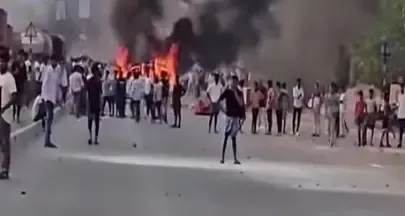
The investigation further alleges that following Hasina's departure and the Army Chief's announcement that the military had assumed responsibility for law and order, coordinated attacks were carried out on police establishments across Bangladesh. Reportedly, thousands of weapons and rounds of ammunition were looted from police lines, and more than 500 police stations and outposts were attacked. Personnel from the police, the Ansar force, and the Border Guard Bangladesh (BGB) were allegedly among those killed during these incidents.
The Indemnity Controversy
The report alleges that subsequent investigations into killings that occurred after August 5 were halted through indemnity provisions put in place by the interim administration. Critics argue this effectively shielded those responsible for post-uprising violence while simultaneously attributing a broader death toll to the previous government — a framing that, according to the investigation, distorts the historical and legal record.
Context and Significance
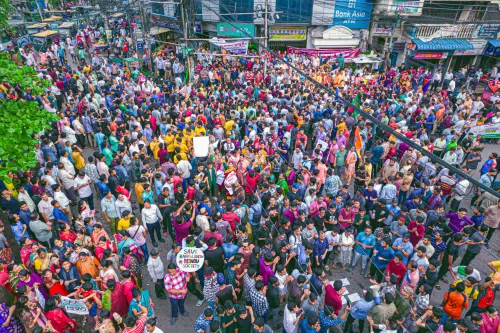
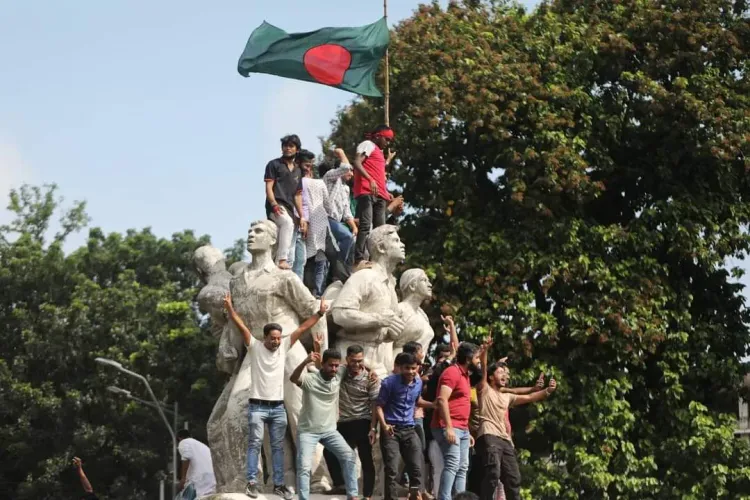
The July 2024 protests in Bangladesh began as a movement against the quota system for government jobs and escalated into a broader political crisis that culminated in the fall of the Awami League government on August 5, 2024. The official martyrs list carries significant legal and political weight, as it forms the basis for state recognition, compensation, and the attribution of culpability. If the allegations are substantiated, the gazette's credibility — and the interim government's narrative of the uprising — could face serious challenge.
The MARK. R&AUA team's findings have not yet been independently verified by official Bangladeshi authorities, and the interim government has not issued a public response to the specific allegations at the time of reporting. How Dhaka responds to these findings is likely to shape the political discourse around accountability for the 2024 unrest in the months ahead.
Point of View
If substantiated, expose a deeper problem than administrative error — they suggest the martyrs list was used as a political instrument to fix blame on the Awami League while insulating post-uprising violence from scrutiny through indemnity. Bangladesh's interim government built much of its legitimacy on the narrative of August 5 as a clean break; a compromised gazette chips away at that foundation. The decision to halt investigations into killings of police and security personnel through indemnity provisions is particularly striking — it raises the question of who the accountability framework was actually designed to protect. International observers and human rights bodies have yet to weigh in formally, but this investigation gives them a documented basis to do so.
NationPress
24 Oct 2026
Frequently Asked Questions
What is the Bangladesh July Martyrs Gazette?
The July Martyrs Gazette is an official government document published by the Muhammad Yunus-led interim government listing individuals recognised as having been killed during the July 2024 anti-quota protests and the August 5, 2024 mass uprising. It carries legal weight for state recognition and compensation, and attributes culpability for those deaths to the former Sheikh Hasina-led Awami League government.
What does the investigation allege about the gazette?
An investigation by MARK. R&AUA — comprising independent journalists and retired police officers — alleges that the gazette includes nearly 300 people who died after August 5, 2024, from causes entirely unrelated to the protests, such as road accidents, cardiac events, kidney failure, mob violence, and looting incidents. It contends this inflated the protest death toll and wrongly attributed those deaths to the previous government.
Who conducted the investigation into the July Martyrs list?
The investigation was carried out by a group identified as MARK. R&AUA, described as comprising independent journalists and retired police officers. Their findings were cited in a report by Northeast News and have not yet been independently verified by official Bangladeshi authorities.
Why does the qualifying period matter in this controversy?
The official definition of a July martyr specifies that only those killed by state or law enforcement action during the protest period are eligible. The investigation argues that period ended when Sheikh Hasina left Bangladesh on August 5, 2024, meaning deaths occurring after that date — under different circumstances — should not qualify, yet reportedly hundreds were included regardless.
Has the interim government responded to these allegations?
As of the time of reporting, the Muhammad Yunus-led interim government had not issued a public response to the specific allegations raised by the MARK. R&AUA investigation. The findings remain contested and unverified by official Bangladeshi authorities.